
How to Choose the Right LCD Panel for Industrial Equipment Applications
When selecting an LCD panel for industrial equipment, manufacturers and distributors must prioritize durability, environmental resilience, and long-term reliability. Unlike consumer-grade displays, industrial-grade LCDs are designed to operate under extreme conditions—ranging from -30°C to 70°C ambient temperatures, high humidity, vibration, and electromagnetic interference (EMI). A leading example is the use of TN (Twisted Nematic) or IPS (In-Plane Switching) panels in automation control systems, where clarity and color accuracy matter for operator safety and process efficiency.
Key factors include brightness levels (typically 250–1000 cd/m²), contrast ratio (≥1000:1), and viewing angles (≥170°). For instance, the LG Display LQ104V1LG11, a 10.4-inch TFT-LCD panel used in medical imaging devices, offers 600 cd/m² brightness and wide viewing angles ideal for mobile or outdoor applications. Another critical specification is the panel’s MTBF (Mean Time Between Failures), which should exceed 50,000 hours for mission-critical operations like factory automation or transportation systems.
Certifications such as ISO 9001, IP65 (dust and water resistance), and MIL-STD-810G (military-grade shock and vibration testing) are essential for compliance with global industrial standards. In addition, choosing suppliers with proven track records—like AU Optronics, BOE, or Innolux—ensures consistent quality and supply chain stability. Many overseas distributors now request full technical documentation, including thermal stress test reports and EMI shielding effectiveness data, before finalizing bulk orders.
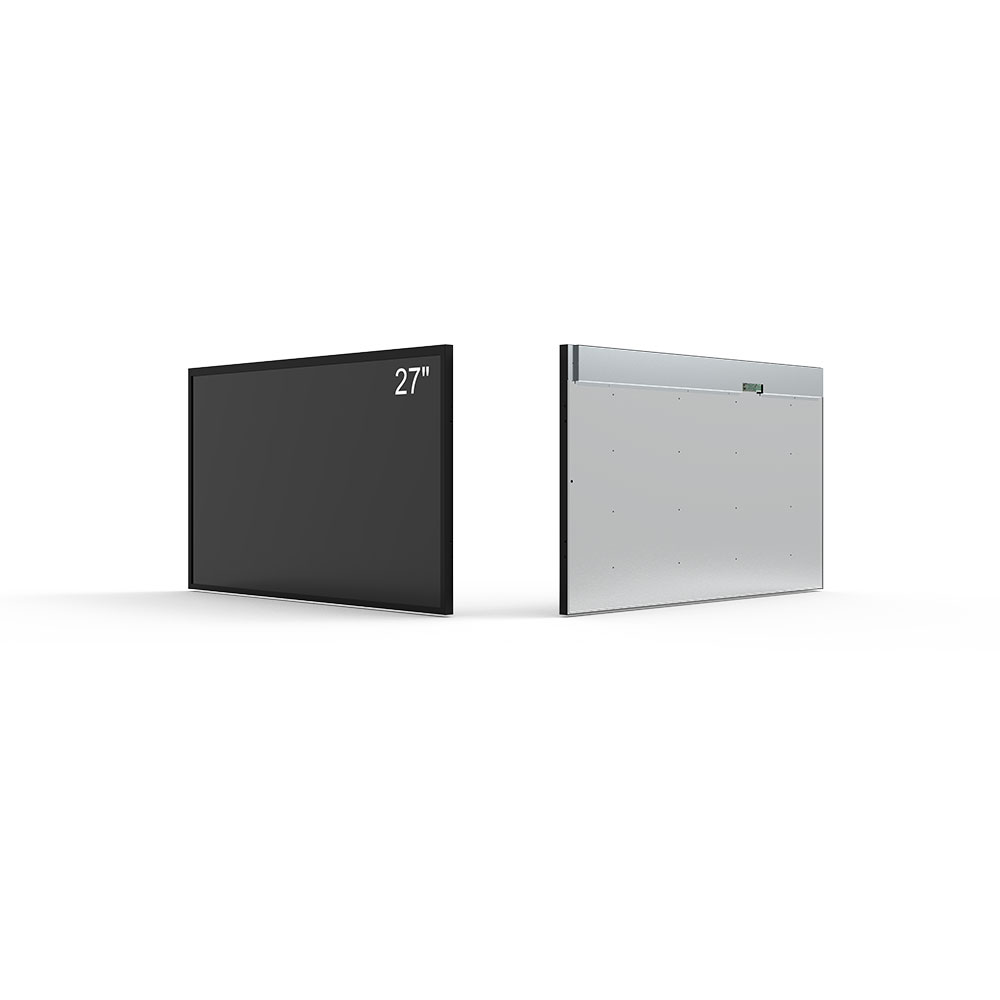
For optimal performance, consider integrating features like LED backlighting with PWM dimming control for energy efficiency and longer lifespan, or implementing touch overlay options (resistive or capacitive) depending on the application environment. Whether designing rugged handheld terminals, CNC machines, or remote monitoring units, selecting the right LCD panel is not just a component choice—it’s a strategic decision impacting product longevity, maintenance costs, and customer satisfaction.
上一篇:RisingStar LCD Display Technology Revolutionizes User Experience in Modern Devices
下一篇:How to Choose the Right LCD Display for Industrial Applications