
How to Choose the Right LCD Display for Industrial Applications
When selecting an LCD display for industrial applications, it's crucial to go beyond just screen size and resolution. Industrial environments—such as manufacturing plants, transportation systems, and outdoor equipment—pose unique challenges like extreme temperatures, high humidity, vibration, and exposure to dust or chemicals. A standard consumer-grade LCD will likely fail under these conditions, leading to costly downtime and maintenance.
First, consider environmental durability. Look for displays rated IP65 or higher for dust and water resistance, especially if your application involves frequent cleaning or outdoor use. For example, the LG UltraFine 15" Industrial LCD (model L1500-IP65) is certified for -20°C to 60°C operating temperatures and has passed MIL-STD-810G shock and vibration tests—a key indicator of ruggedness.
Second, brightness and viewing angles matter. In sunlight or brightly lit areas, a display with at least 1000 nits of brightness ensures visibility without glare. Wide viewing angles (typically ≥170°) prevent image distortion when viewed from different positions—a common need in control rooms or multi-operator setups.
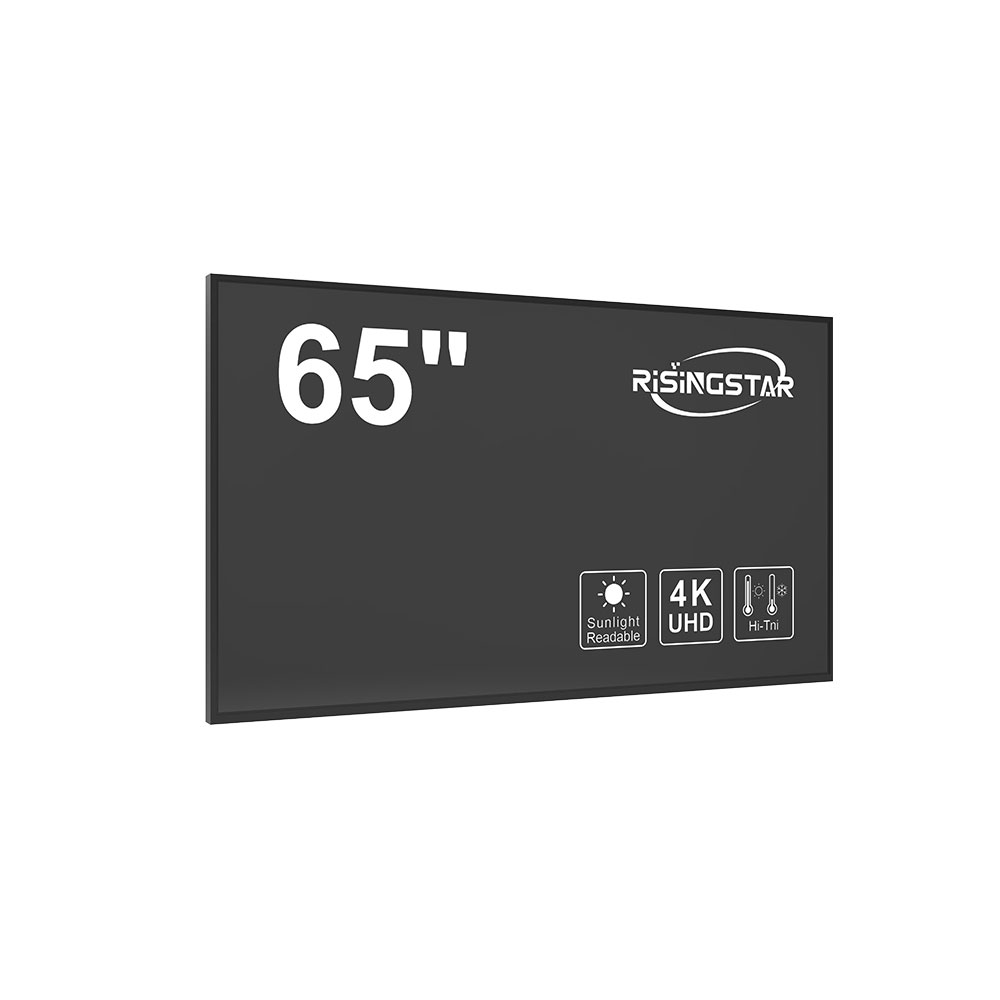
Third, longevity and reliability. Industrial LCDs should have a minimum MTBF (Mean Time Between Failures) of 50,000 hours. Brands like Samsung’s SMD series and Sharp’s LC-320 series are known for extended lifespans due to their use of premium IPS panels and enhanced backlighting technology.
Finally, compatibility with existing systems. Ensure the display supports standard interfaces such as HDMI, DisplayPort, or LVDS. Many industrial controllers, PLCs, and embedded computers require specific signal formats—checking compatibility beforehand avoids integration headaches.
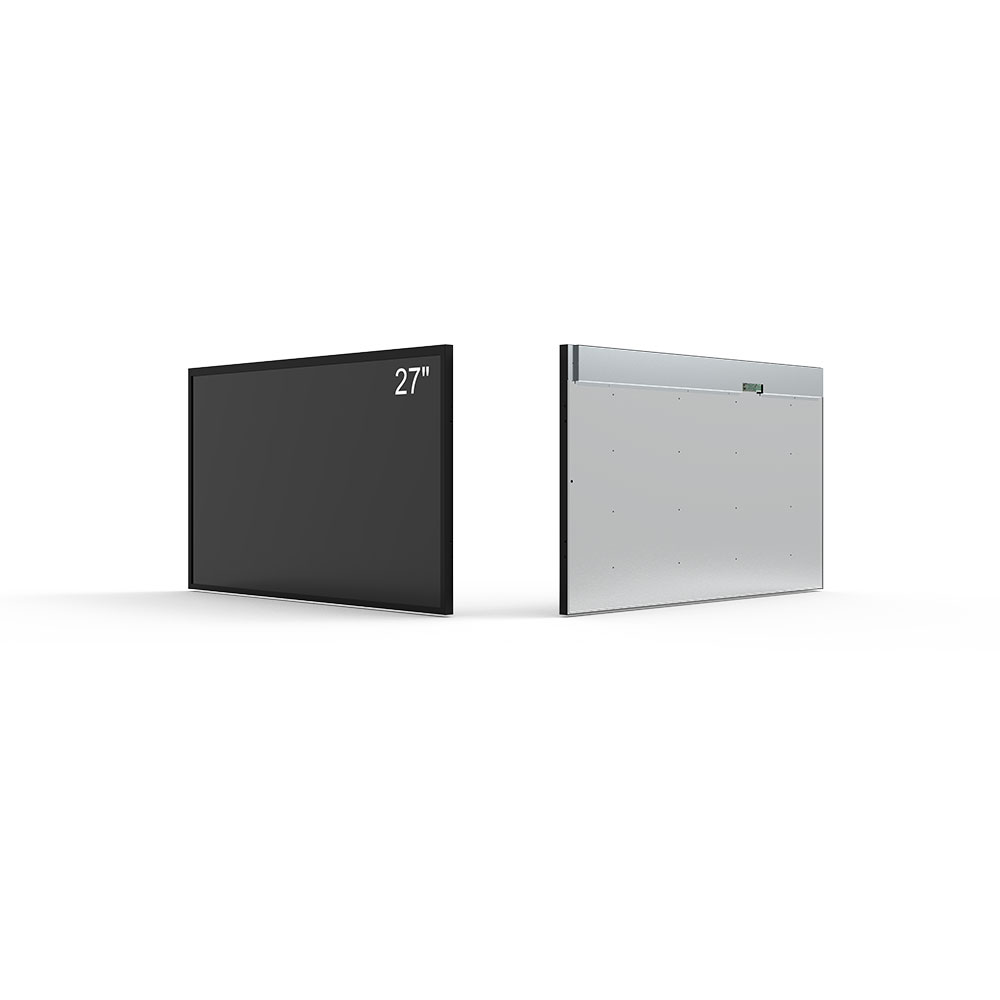
By prioritizing environmental resilience, brightness, long-term reliability, and interface compatibility, engineers can select an LCD that performs consistently in demanding industrial settings—not just during initial deployment but over years of operation. This approach aligns with ISO 9001 standards for quality management and reduces total cost of ownership through minimized failures and maintenance.
上一篇:Understanding LCD Display Technology and Its Applications in Modern Devices
下一篇:How to Choose the Right LCD Display for Industrial Applications