
What Is an IPS Screen
An IPS screen, or In-Plane Switching display, is a type of LCD (Liquid Crystal Display) technology that has become the industry standard for high-quality visual performance in modern monitors, smartphones, tablets, and televisions. Unlike older TN (Twisted Nematic) panels, IPS screens offer significantly improved color accuracy, wider viewing angles, and better consistency across different lighting conditions.
IPS technology works by aligning liquid crystal molecules horizontally—parallel to the glass substrate—rather than vertically as in TN panels. This horizontal alignment allows light to pass more evenly through the pixels, resulting in more accurate color reproduction and reduced color shift when viewed from off-center angles. As a result, professionals in graphic design, photography, video editing, and medical imaging often prefer IPS displays because they ensure that what you see on screen matches what you’ll get in print or final output.
One of the most notable advantages of IPS screens is their wide viewing angle—typically 178° both horizontally and vertically. This makes them ideal for collaborative work environments, where multiple users may be viewing the same screen simultaneously. Additionally, IPS panels maintain consistent brightness and color even at extreme angles, which is especially important for multi-monitor setups or home theater configurations.
In recent years, IPS technology has evolved with innovations like IPS Black, which enhances contrast ratios by improving black levels, and OLED-IPS hybrids that combine the best of both worlds: deep blacks from OLED with the color precision of IPS. These advancements have made IPS screens not only essential for creative professionals but also popular among gamers who value smooth motion and vivid visuals without sacrificing image quality.
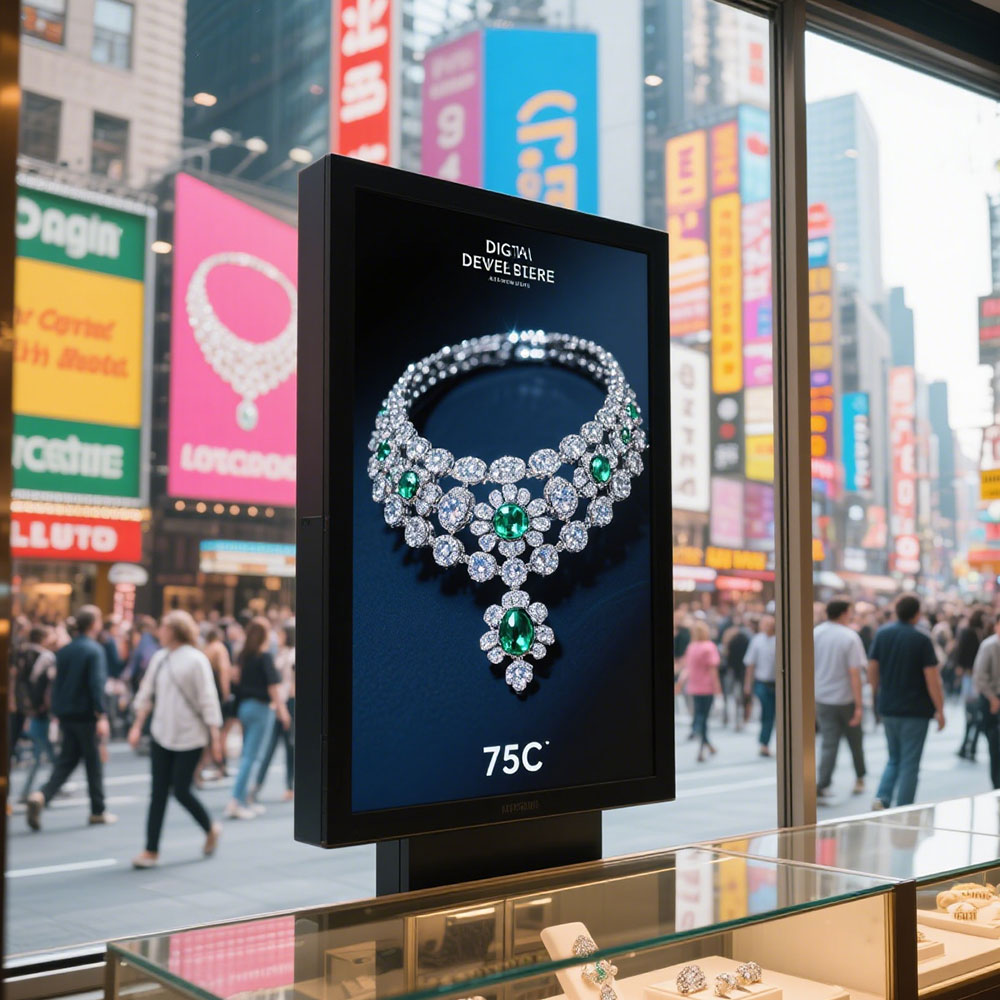
Manufacturers such as LG, Samsung, and AU Optronics are leading the development of next-generation IPS panels, incorporating features like higher refresh rates (up to 240Hz), faster response times (as low as 1ms), and support for HDR (High Dynamic Range) content. For example, the LG UltraFine 32UN880-B 32-inch monitor uses IPS technology to deliver 4K resolution, 99% sRGB coverage, and excellent color uniformity across its entire panel—making it a top choice for digital artists.
When evaluating an IPS screen, consider factors such as resolution, color gamut (e.g., 100% sRGB or DCI-P3), response time, and brightness (measured in nits). While IPS screens traditionally had slower response times compared to TN panels, modern IPS variants now rival TN in speed while maintaining superior image quality.
Overall, if you prioritize color fidelity, viewing flexibility, and professional-grade performance, an IPS screen is the optimal choice for both personal and commercial use. Whether you're a designer, gamer, or casual user seeking a premium display experience, IPS technology offers unmatched clarity, consistency, and reliability.
上一篇:Understanding IP66 Waterproof Rating for LCD Displays in Harsh Environments
下一篇:LCD Strip Screen Series Overview for Industrial and Commercial Applications