
How to Choose the Right LCD Display for Industrial Applications
When selecting an LCD display for industrial applications, it's essential to consider factors such as environmental resilience, brightness, viewing angle, and long-term reliability. Industrial environments often expose displays to extreme temperatures, vibration, dust, and moisture—making ruggedized screens a necessity. For example, a 10.4-inch TFT LCD with a brightness of at least 2500 nits is ideal for outdoor or high-ambient-light conditions, while a wide viewing angle (typically 178° horizontal and vertical) ensures visibility from multiple positions in control rooms or factory floors.
Manufacturers like LG Display, Sharp, and AU Optronics offer industrial-grade panels that meet MIL-STD-810G standards for shock and vibration resistance. These displays are tested under harsh conditions—including thermal cycling from -30°C to +70°C—to guarantee stable performance over time. Additionally, touch functionality must be considered: resistive touchscreens are more durable in dusty or wet environments, whereas capacitive options offer better responsiveness in clean settings.
Power consumption is another critical factor. Low-power LCDs with LED backlighting can reduce operational costs in energy-sensitive applications like remote monitoring systems or battery-powered equipment. Furthermore, compatibility with industrial communication protocols such as RS-485 or CAN bus ensures seamless integration into existing PLC-based systems.
User feedback from OEMs indicates that displays with built-in temperature compensation and automatic brightness adjustment (ABA) improve both user experience and system efficiency. Real-world case studies from the automotive, medical, and energy sectors show that investing in certified industrial LCDs reduces downtime by up to 40%. Always verify compliance with IEC 60950-1 (safety) and IEC 60068 (environmental testing) standards when sourcing components.
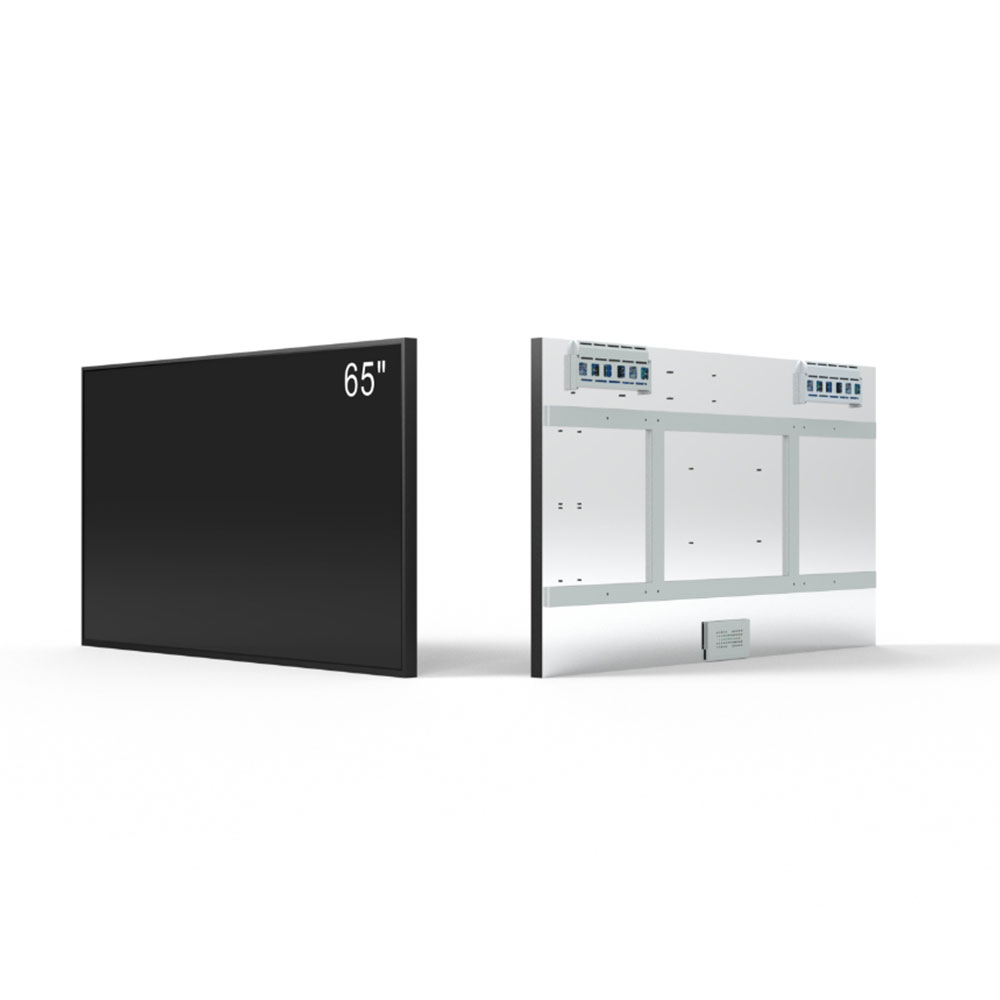
In conclusion, choosing the right LCD for industrial use requires balancing technical specs, environmental suitability, and lifecycle cost. Prioritizing quality certifications, supplier reputation, and real-world performance data leads to optimal outcomes across diverse industries.
上一篇:How to Choose the Right LCD Panel for Your Display Needs
下一篇:LCD Display Technology Evolution and Modern Applications in Industrial Automation