
LCD Display Technology Evolution and Modern Applications in Industrial Automation
Liquid Crystal Display (LCD) technology has evolved significantly since its commercial debut in the 1970s, transitioning from simple monochrome screens in calculators to high-resolution, color-rich panels used across industrial automation, medical imaging, automotive dashboards, and consumer electronics. Today’s LCDs are engineered for durability, energy efficiency, and precision, making them indispensable in environments requiring long-term reliability under extreme conditions.
Modern LCDs leverage advanced backlighting techniques—such as LED edge-lit or full-array local dimming—to improve contrast ratios and reduce power consumption. In industrial settings like manufacturing plants or oil refineries, LCD panels are now built with IP65 or higher ratings for dust and water resistance, often incorporating ruggedized glass and wide operating temperature ranges (-20°C to 70°C). According to a 2023 report by Grand View Research, the global industrial LCD market is projected to exceed $14 billion by 2030, driven by increasing adoption in smart factory initiatives under Industry 4.0.
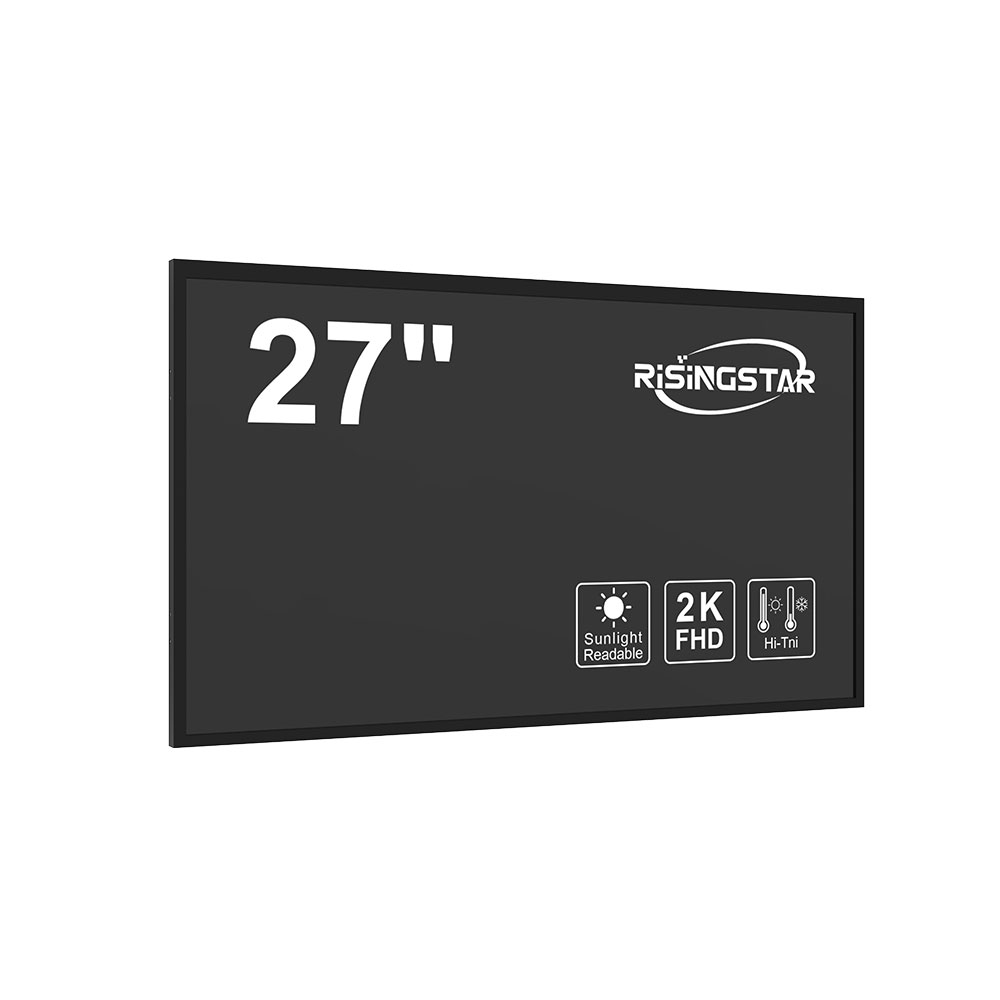
One key advancement is the use of TN (Twisted Nematic), IPS (In-Plane Switching), and VA (Vertical Alignment) panel types, each offering distinct advantages. For example, IPS panels deliver superior color accuracy and wide viewing angles, ideal for operator control stations in automated production lines. Meanwhile, VA panels provide deeper blacks and better contrast, beneficial in outdoor applications such as construction equipment displays.
Environmental resilience is another critical factor. MIL-STD-810G-certified LCDs undergo rigorous shock, vibration, and thermal cycling tests to ensure operational stability in harsh conditions. Companies like LG Display, AU Optronics, and BOE have introduced anti-glare coatings, touch-enabled interfaces, and even AI-driven brightness adjustment features to optimize visibility under variable lighting.
Customer reviews from manufacturers using these displays consistently highlight improved uptime and reduced maintenance costs. A case study by Siemens in 2022 showed that replacing older CRT monitors with modern LCDs in their assembly line control systems led to a 35% reduction in display-related failures over two years. This aligns with ISO 13485 standards for medical-grade LCDs, where clarity and consistency are non-negotiable.
As automation becomes more sophisticated, LCDs continue to adapt—not just as visual outputs but as integral components of human-machine interfaces (HMIs). With ongoing R&D in flexible OLED-LCD hybrids and micro-LED backplanes, the future of LCD technology remains vibrant, sustainable, and deeply embedded in the digital transformation of global industries.