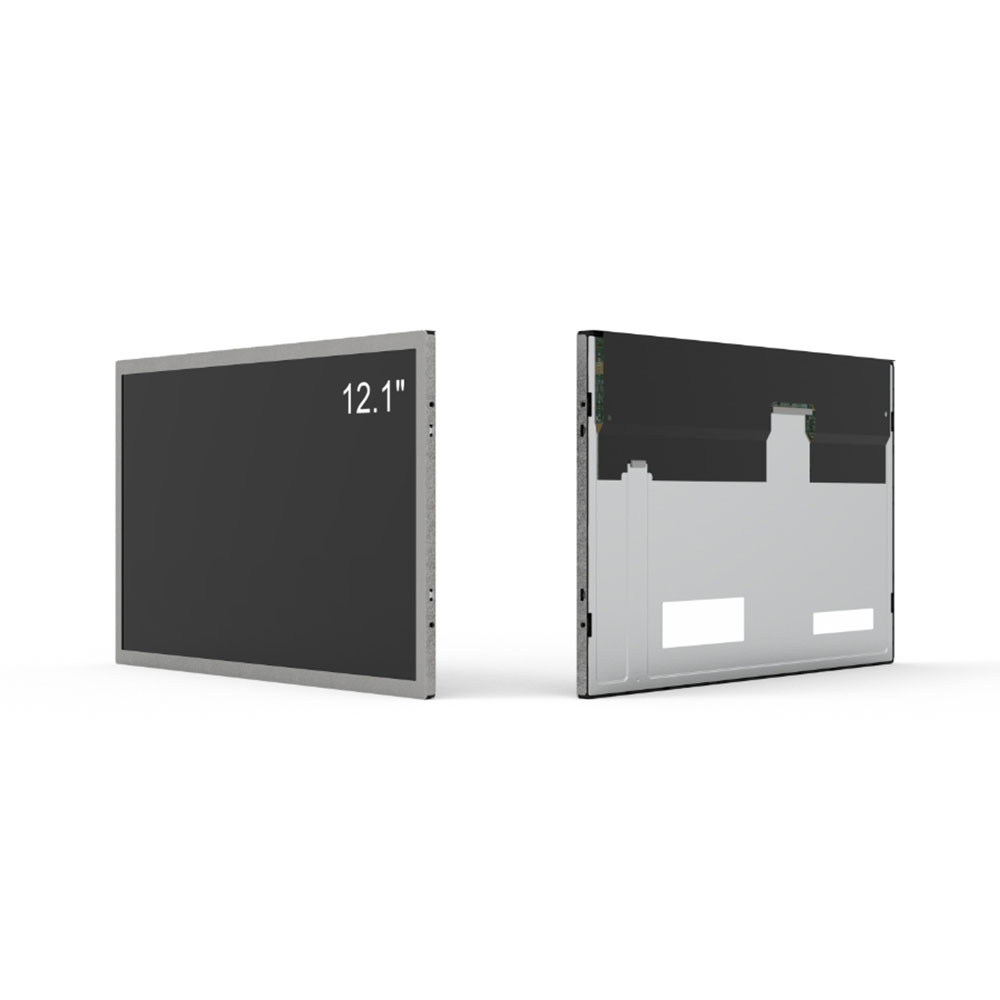
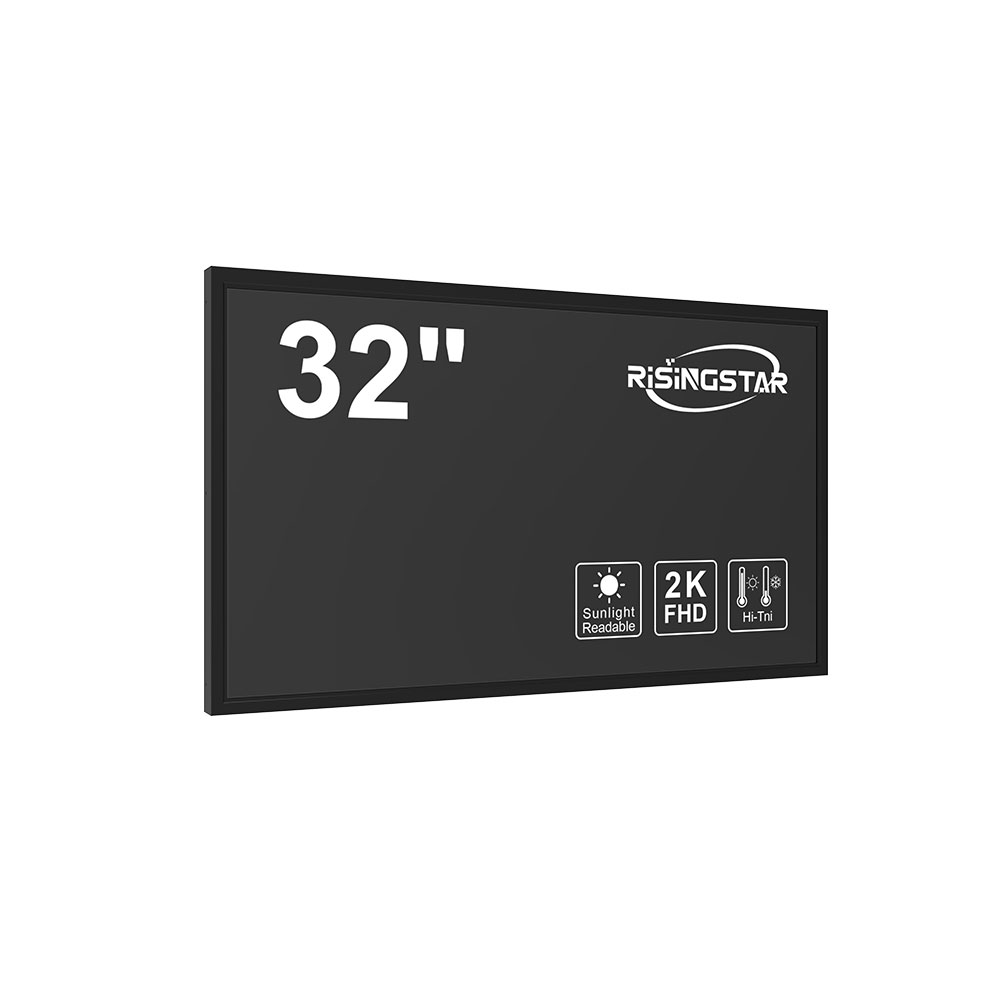
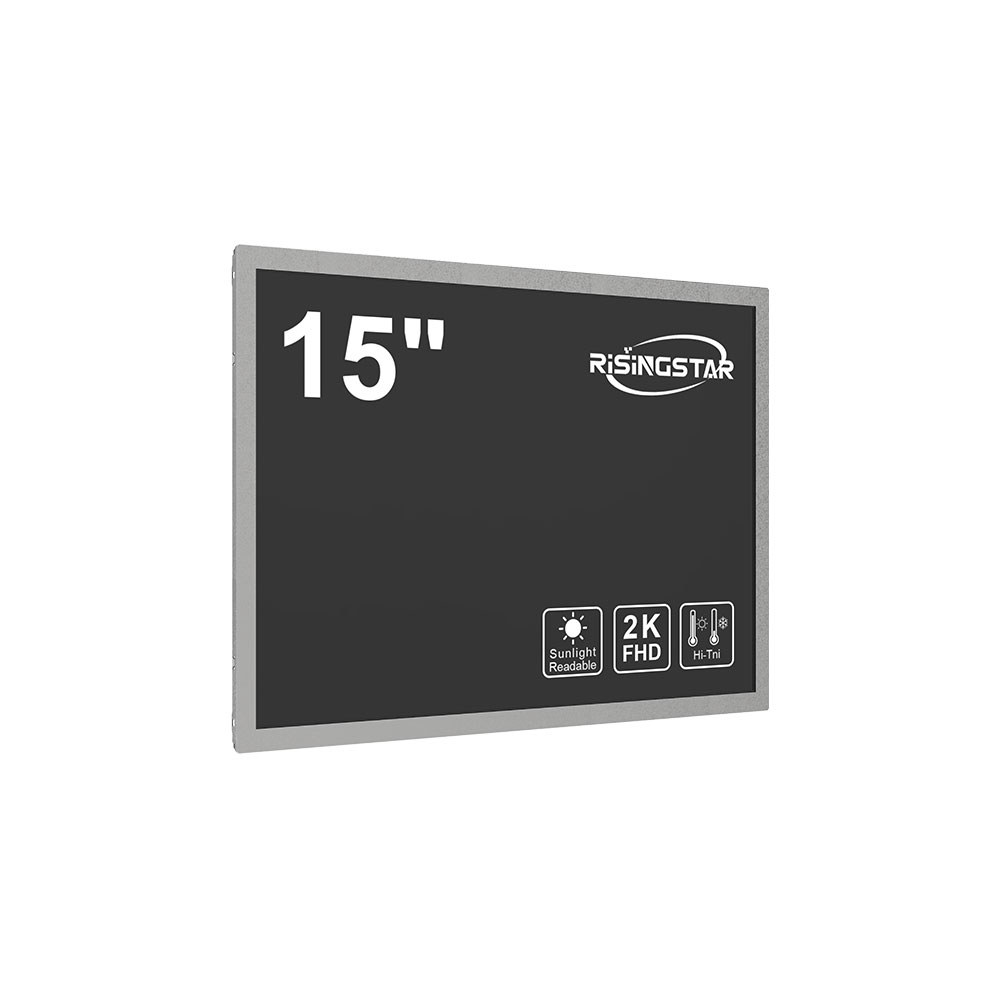
Sunlight readable high brightness LCD displays are critical components in modern industrial, military, aerospace, and outdoor applications where visibility under intense ambient light is non-negotiable. These screens are engineered to deliver clear, crisp images even under direct sunlight—often exceeding 5,000 nits of brightness, compared to standard indoor displays that typically max out at 300–500 nits.
Practical applications are widespread. In the defense sector, ruggedized LCDs power mission-critical systems in armored vehicles and UAVs, ensuring operators can read tactical maps or sensor data in full daylight. In agriculture, farmers use sunlight-readable displays on tractors and harvesters to monitor GPS-guided operations and machine performance under open skies. Similarly, in transportation—such as buses, trains, and airport kiosks—these displays maintain legibility during all-day exposure to sunlight, improving user experience and operational efficiency.
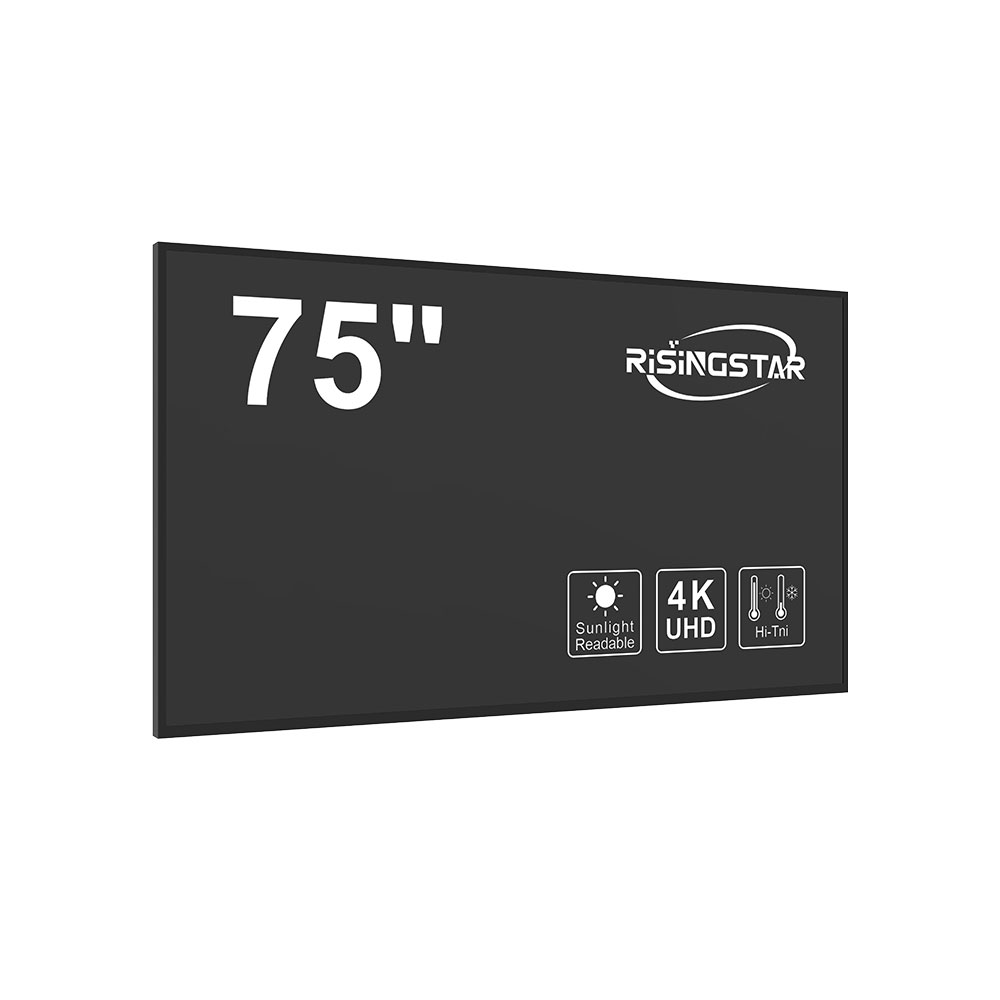
One of the primary advantages is enhanced visibility in harsh environments. Unlike conventional LCDs, which suffer from glare and washed-out colors under bright light, high-brightness models integrate advanced anti-reflective coatings, polarizers, and active backlighting technologies (like LED arrays with adaptive brightness control). This ensures consistent contrast ratios and color accuracy across varying lighting conditions—a key requirement per MIL-STD-810G and ISO 16750 standards.
However, common problems persist. Thermal management remains a challenge—high brightness consumes more power and generates heat, risking premature component failure if not properly addressed. Poor design can also lead to reduced lifespan due to UV degradation of materials, especially in tropical climates. To mitigate this, manufacturers increasingly adopt IP65/IP67-rated enclosures, tempered glass with AR/AG coatings, and thermal sensors for dynamic power throttling.
The latest trends include miniaturization of high-brightness modules for compact devices like drones and wearable field equipment. Additionally, OLED-based sunlight-readable displays are gaining traction due to superior black levels and faster response times—even though they currently lag behind LED-backlit LCDs in peak brightness. Another innovation is AI-driven brightness optimization, where display output adjusts in real-time based on ambient light sensors and usage patterns, improving both energy efficiency and longevity.
In summary, sunlight readable high brightness LCDs are indispensable in today’s connected world. As industries demand more robust and efficient human-machine interfaces, these displays must evolve—not just in brightness, but in durability, intelligence, and sustainability. Engineers and procurement specialists alike should prioritize certifications like MIL-STD-810, EN 60945, and IEC 60068 when selecting components for mission-critical deployments.