When selecting an LCD panel for your display project—whether it's for consumer electronics, industrial equipment, or automotive applications—it's essential to understand the key factors that influence performance, cost, and longevity. The choice of LCD technology significantly impacts image quality, power efficiency, viewing angles, and environmental resilience.
First, determine the application type. For consumer devices like smartphones and tablets, IPS (In-Plane Switching) panels are preferred due to their wide viewing angles and color accuracy. In contrast, TN (Twisted Nematic) panels offer faster response times but poorer color reproduction and narrower viewing angles—making them suitable for gaming monitors where speed is critical. For professional use such as medical imaging or graphic design, OLED or high-end IPS panels are recommended because they deliver superior contrast ratios and consistent color calibration across all angles.
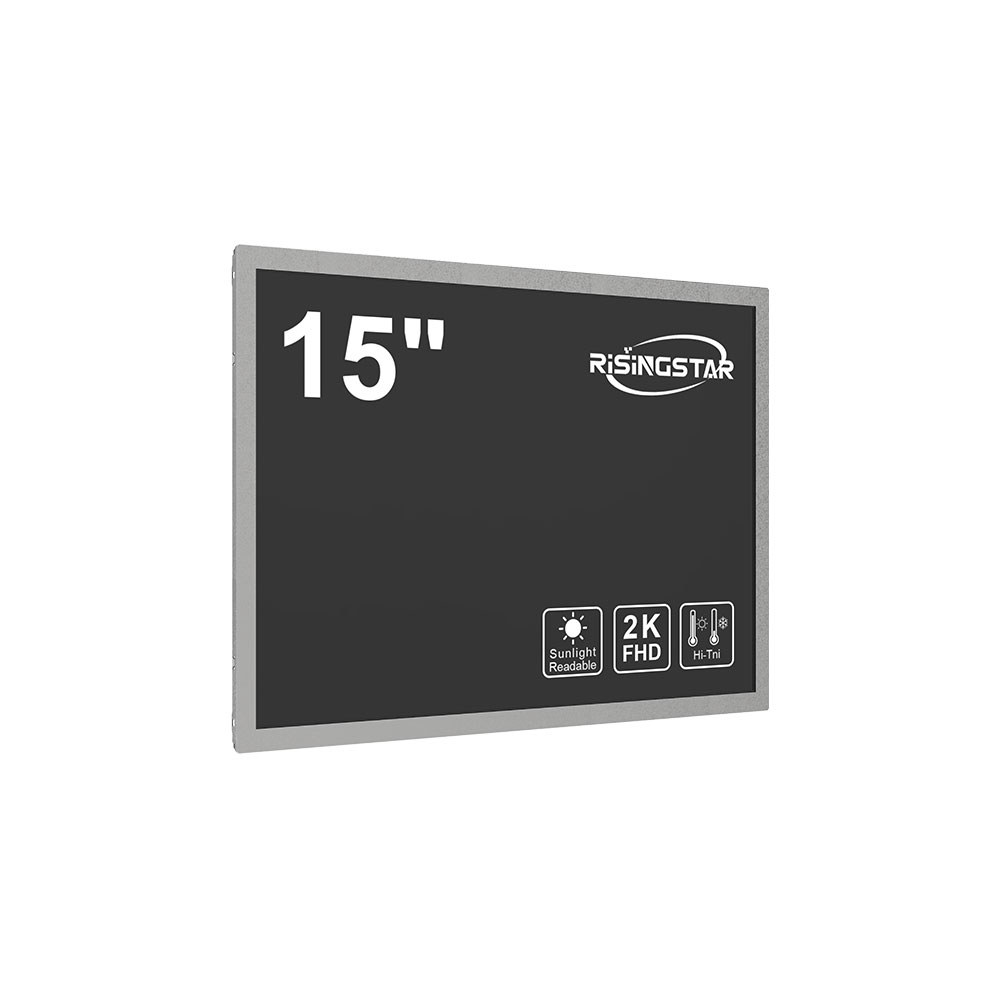
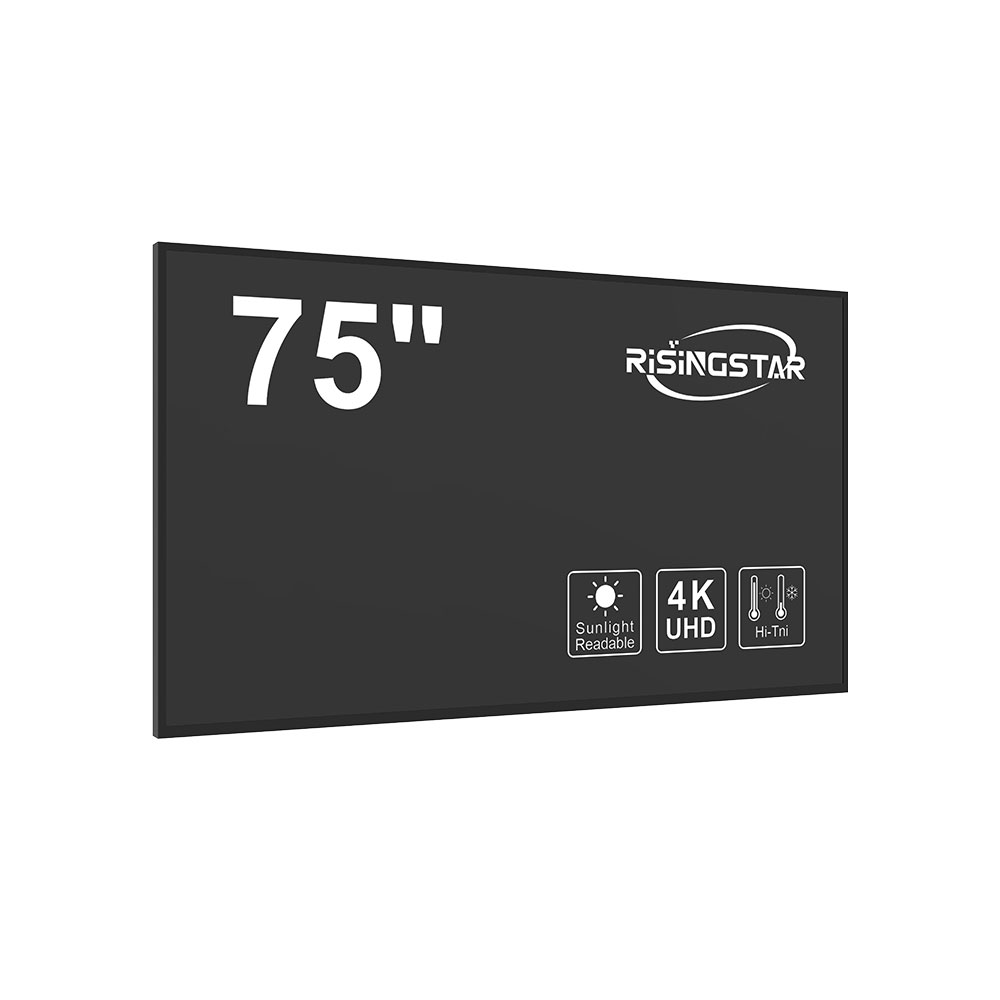
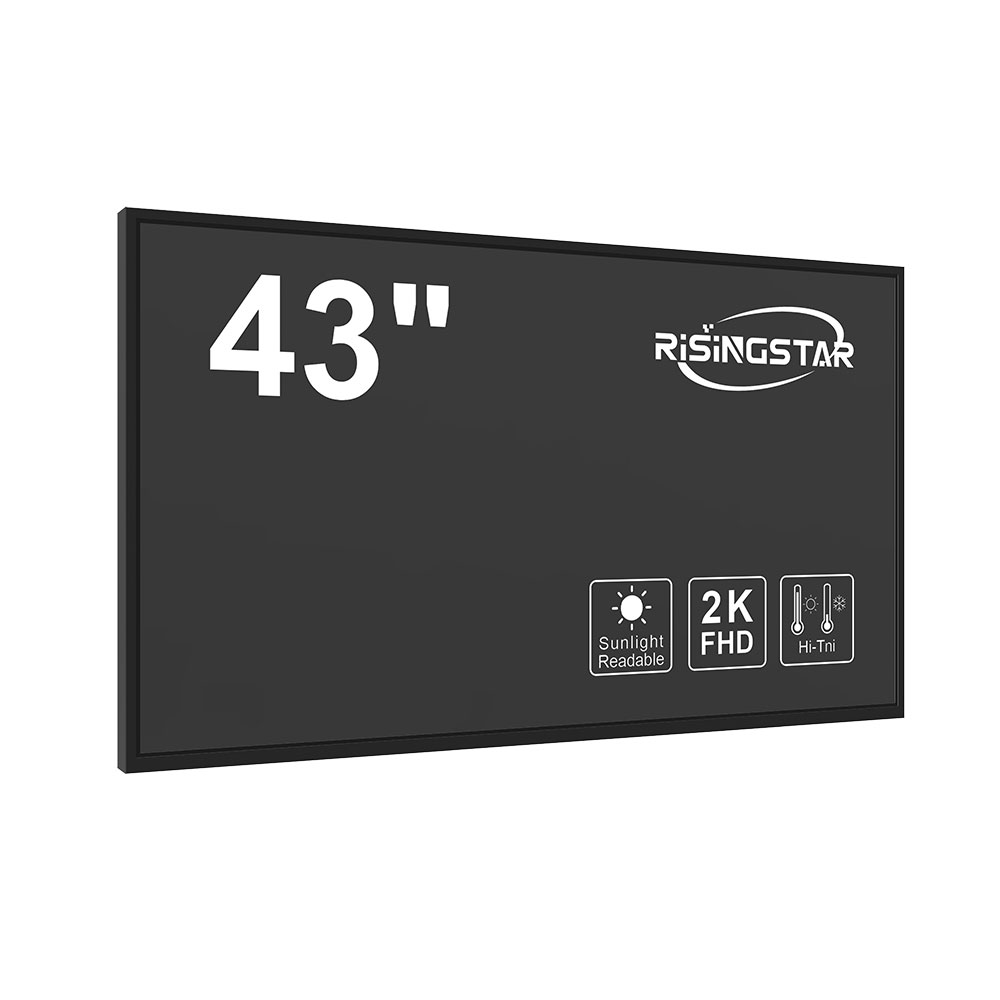
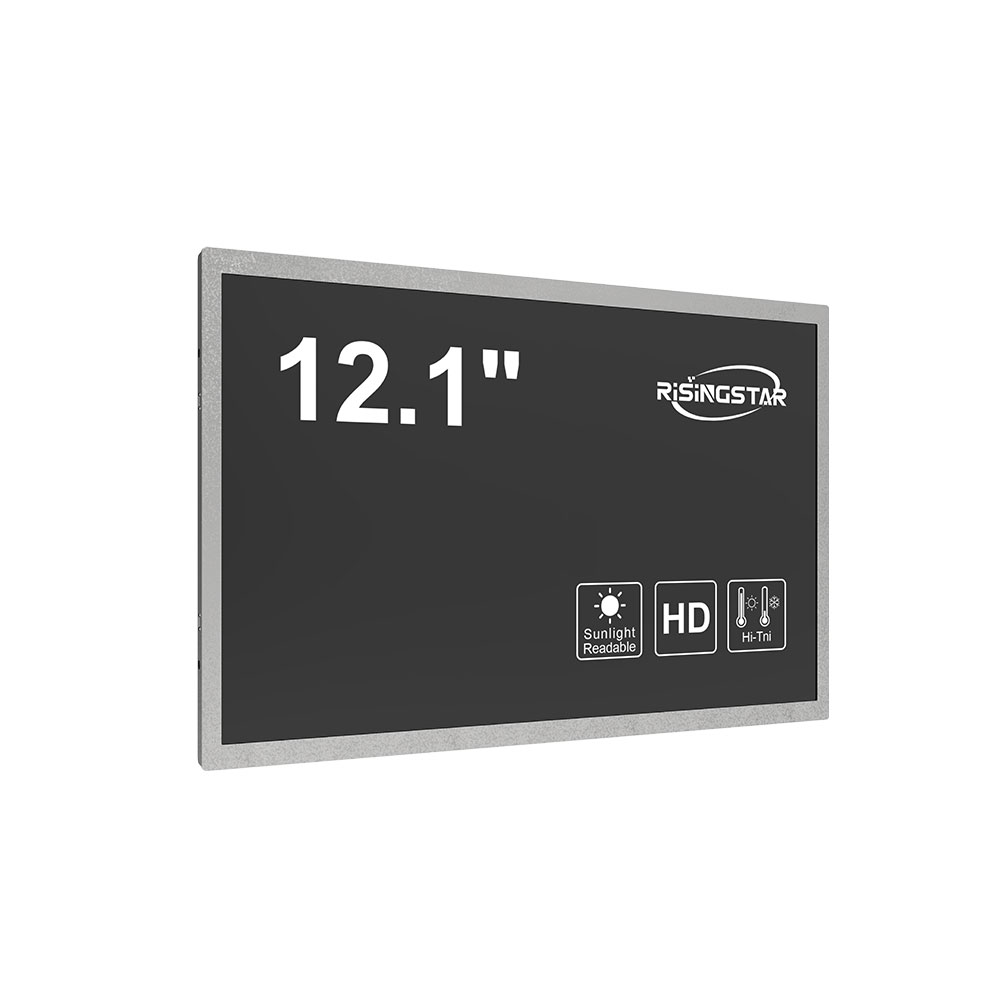
Second, consider environmental conditions. Industrial displays exposed to extreme temperatures or vibrations require ruggedized LCDs with enhanced durability. MIL-STD-810G compliance ensures panels can withstand shock, humidity, and temperature extremes. Additionally, sunlight-readable panels with high brightness (>5000 nits) are necessary for outdoor applications like kiosks or transportation systems.
Third, evaluate power consumption and lifespan. LCDs using LED backlighting consume less energy than older CCFL models. Energy Star-certified panels reduce operational costs over time. Also, look for panels with a rated lifespan of at least 50,000 hours—this ensures long-term reliability without significant degradation in brightness or color performance.
Finally, check certifications and standards. Panels meeting ISO 9001 (quality management), RoHS (hazardous substance compliance), and EPEAT (environmental impact) criteria ensure safe, sustainable manufacturing processes. Customer reviews and real-world testing from reputable sources like DisplayMate or TechPowerUp provide valuable insights into actual performance under diverse conditions.
By aligning panel specifications with your specific use case—be it consumer-grade clarity, industrial toughness, or energy-efficient operation—you can select an LCD that delivers optimal value and performance over its lifetime.