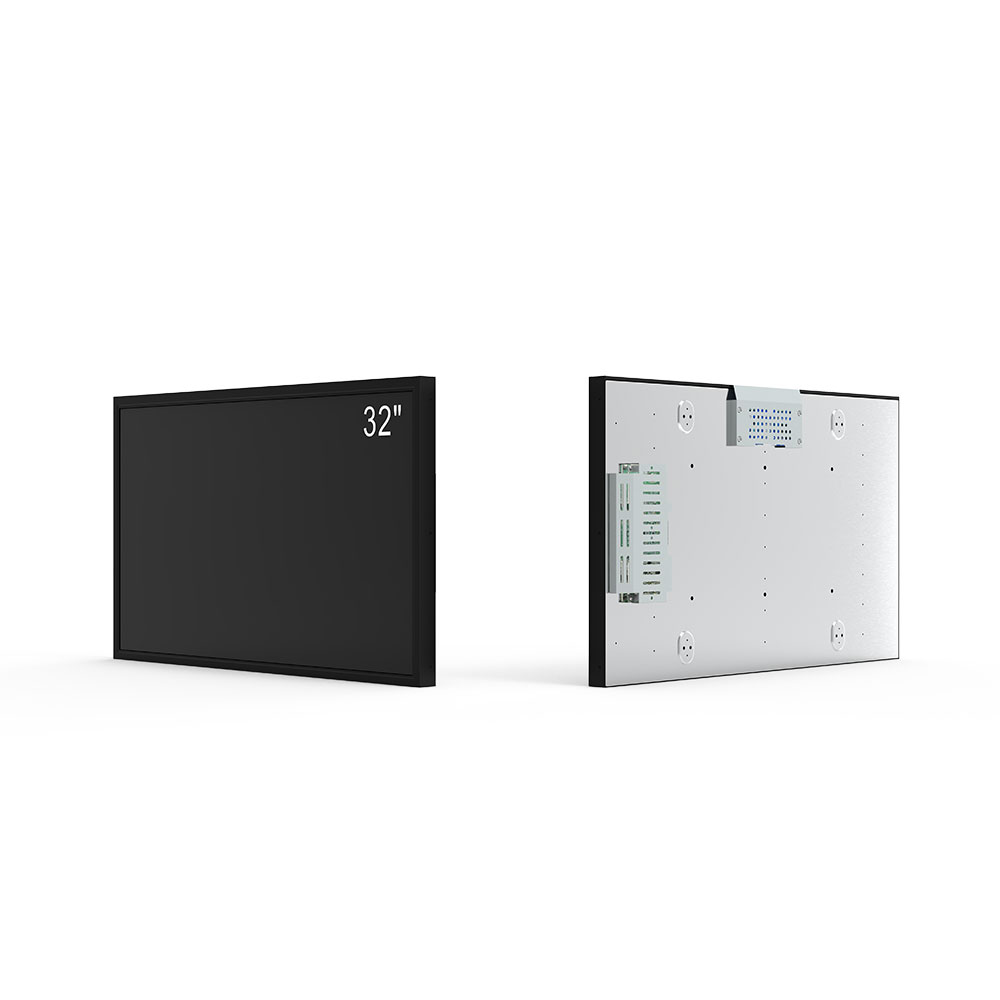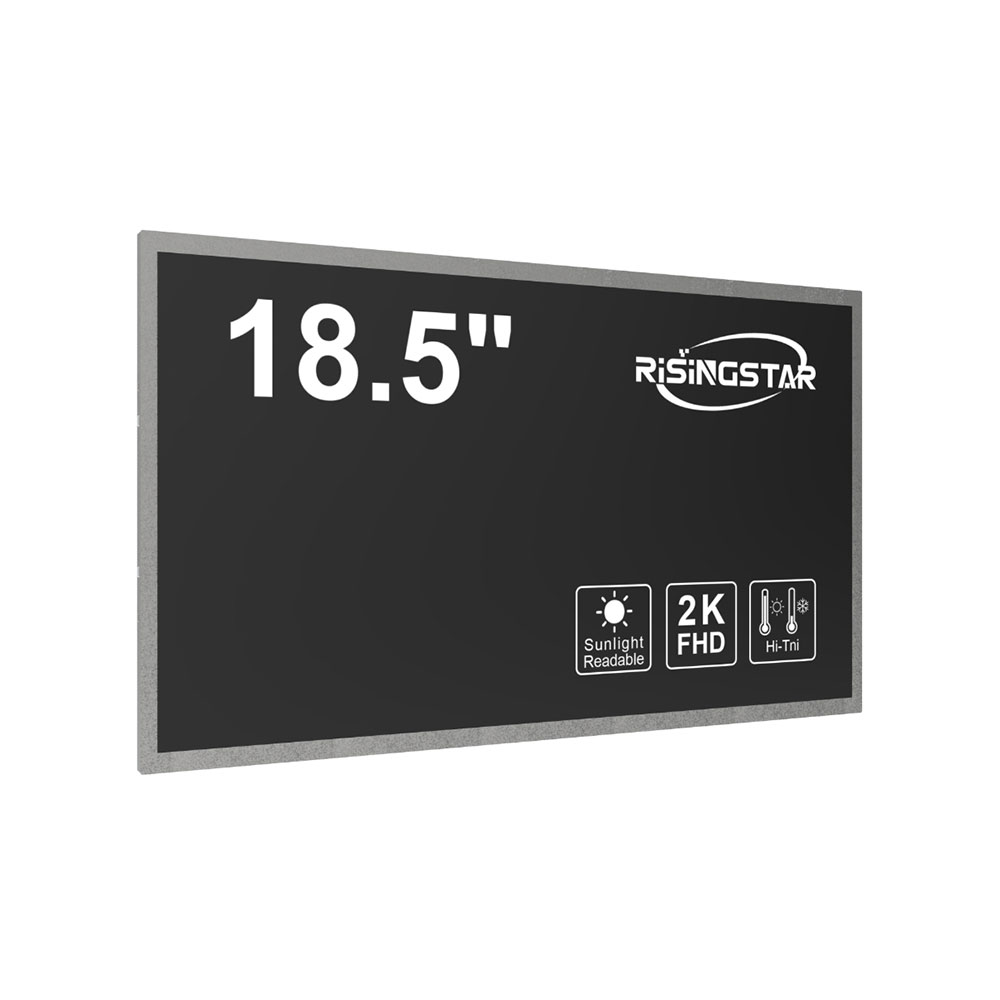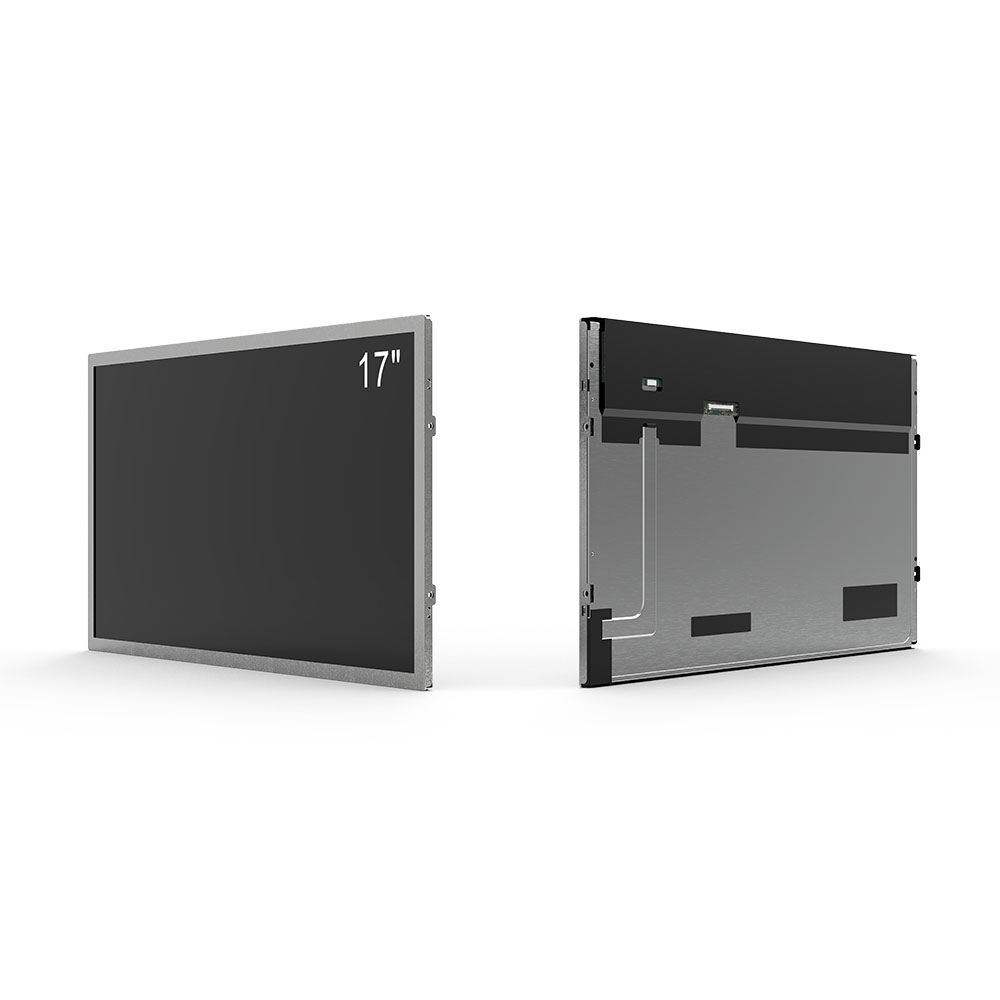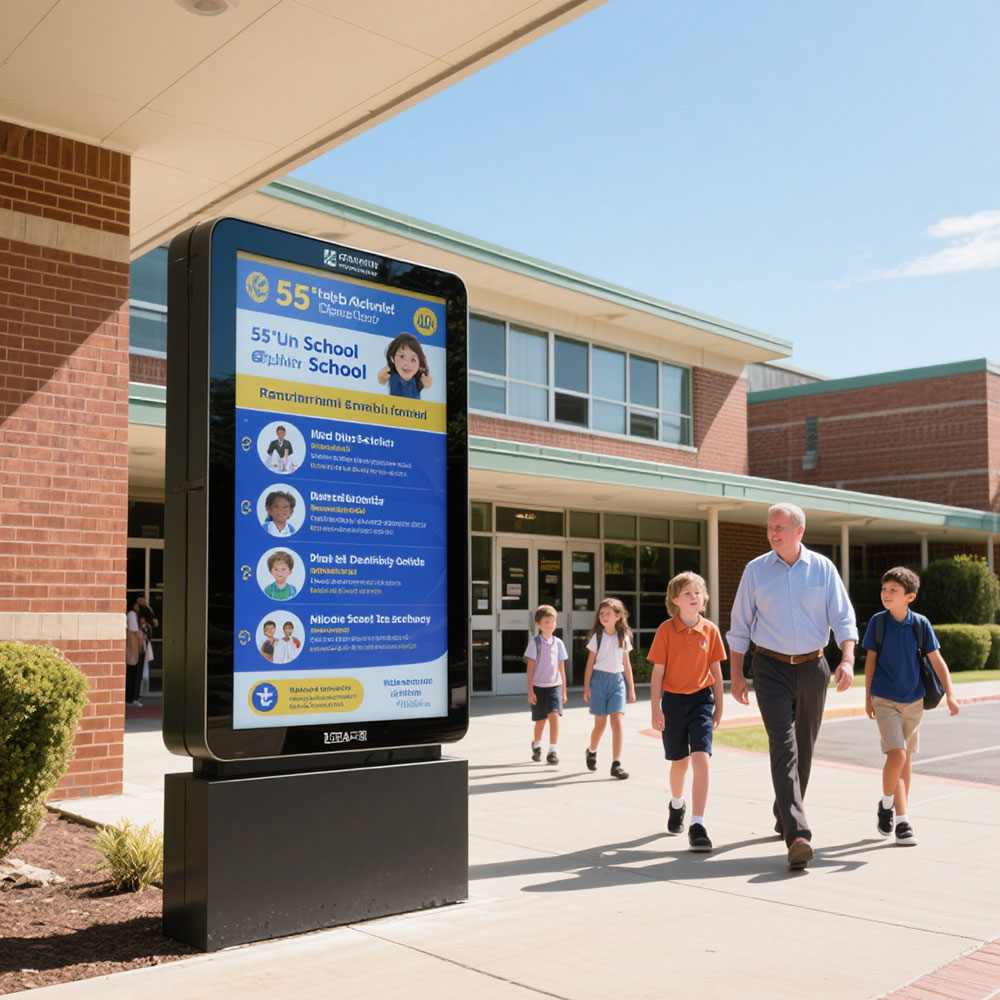
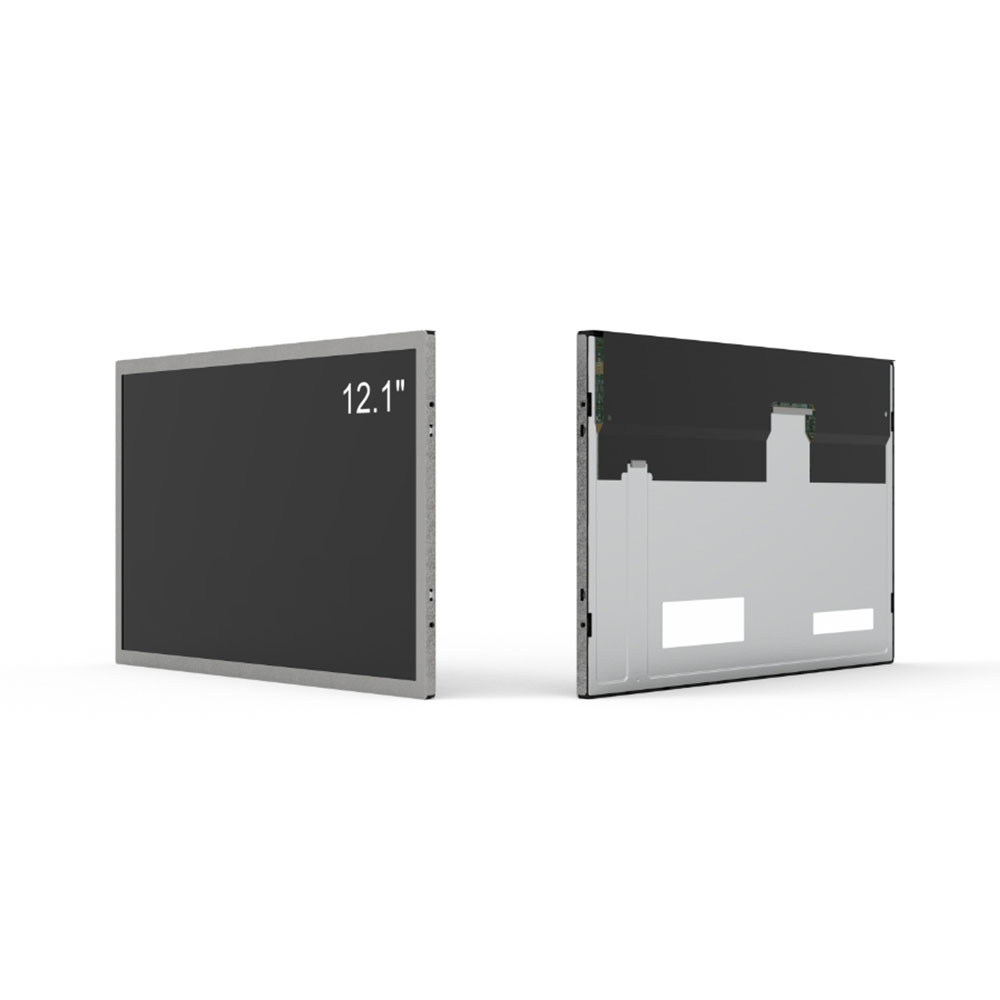
Sunlight readable high brightness LCD screens are engineered for performance under extreme lighting conditions—especially direct sunlight, where conventional displays become unreadable. These screens are essential in outdoor applications such as military vehicles, industrial control panels, construction equipment, and public transportation systems. To achieve reliable visibility in bright environments, manufacturers employ advanced optical enhancements like anti-reflective coatings, polarized filters, and active backlighting technologies that boost luminance to 5,000 cd/m² or higher, far exceeding the typical 300–500 cd/m² of indoor displays.
The core technology behind these displays lies in a combination of hardware and software optimization. For example, the use of LED-based backlights instead of CCFLs (cold cathode fluorescent lamps) allows for better control over brightness distribution and energy efficiency. Additionally, modern high-brightness LCDs often integrate ambient light sensors that dynamically adjust screen brightness based on real-time environmental conditions—a feature critical for both power conservation and user comfort. According to the IEEE Transactions on Consumer Electronics (2022), adaptive brightness control can reduce power consumption by up to 30% without compromising readability.
Another key factor is the use of wide viewing angle technologies, such as IPS (In-Plane Switching) or VA (Vertical Alignment) panels, which maintain image clarity even when viewed from oblique angles—an important consideration for multi-user environments like command centers or vehicle dashboards. The International Electrotechnical Commission (IEC) standard IEC 60950-1 sets minimum requirements for display safety and performance, including thermal stability and electrical insulation, ensuring reliability in harsh environments.
Case studies from the defense sector illustrate the effectiveness of high-brightness LCDs. For instance, the U.S. Army’s Bradley Fighting Vehicle upgraded its onboard display system using 5,000 cd/m² sunlight-readable LCDs developed by companies like LG Display and Novatek. Field tests showed a 95% improvement in situational awareness during daylight operations compared to older models with 1,000 cd/m² displays. Similarly, in industrial automation, Siemens reported a 40% reduction in operator errors when deploying high-brightness LCDs in outdoor PLC (Programmable Logic Controller) interfaces.
To ensure long-term durability, these displays must meet stringent environmental certifications such as IP65 (dustproof and water-resistant) and MIL-STD-810G (military-grade shock and vibration resistance). Such standards guarantee operation in temperatures ranging from -30°C to +70°C, making them suitable for Arctic exploration, desert logistics, or offshore oil rigs.
In conclusion, sunlight readable high brightness LCD screens are not just an enhancement—they are a necessity for mission-critical systems operating in challenging environments. Their integration requires collaboration between display engineers, system integrators, and end-users to optimize both technical performance and human factors. As global industries expand into more demanding outdoor applications—from renewable energy farms to autonomous vehicles—the demand for these robust, high-luminance displays will continue to grow rapidly.