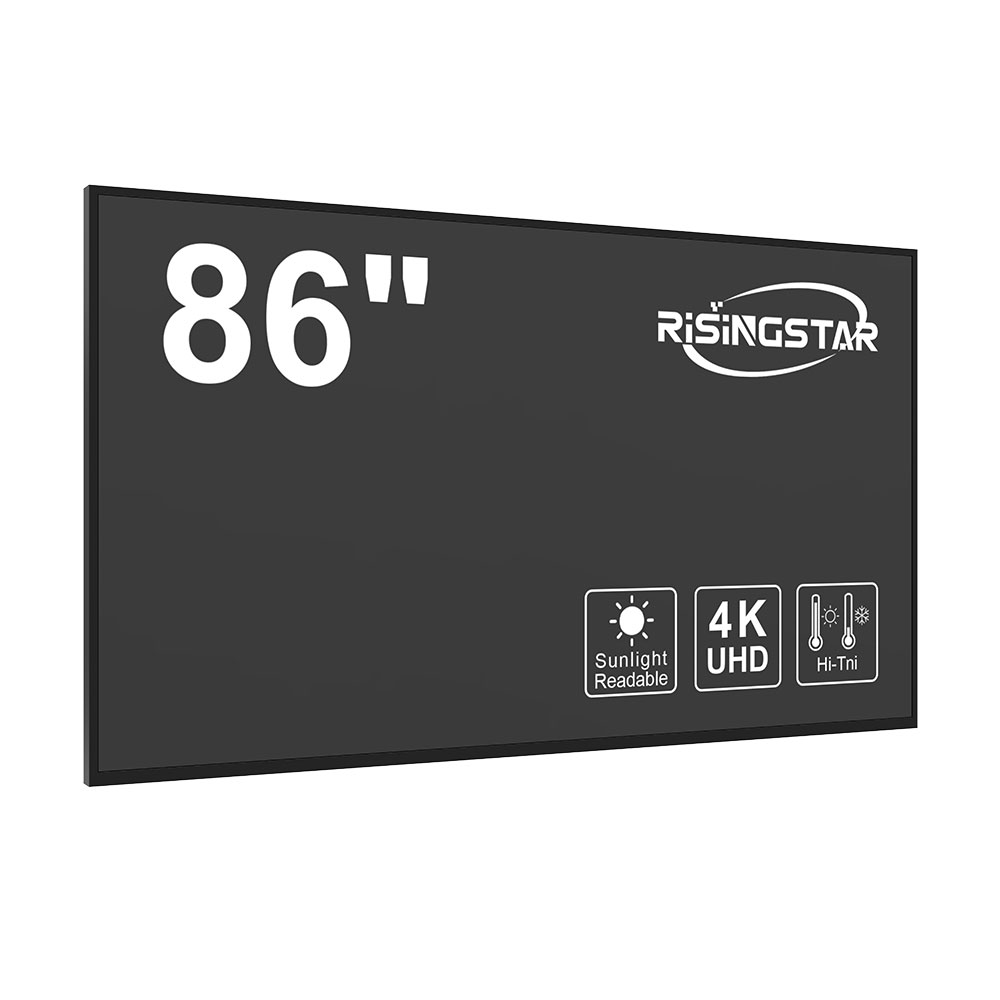
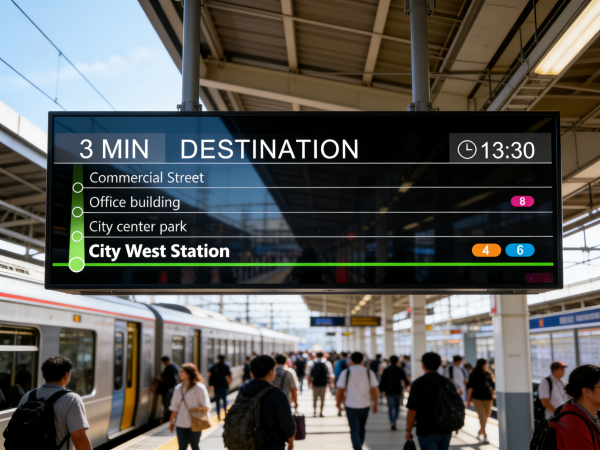
When selecting an LCD display for industrial applications, it's critical to consider more than just screen size or resolution. Industrial environments—such as manufacturing plants, transportation systems, medical devices, and outdoor kiosks—demand displays that can withstand extreme temperatures, mechanical stress, electromagnetic interference, and prolonged usage. Choosing the wrong LCD can result in system failures, costly downtime, and even safety hazards.
First, assess the environmental conditions where the display will be deployed. For example, if your application is in a factory with ambient temperatures ranging from -20°C to 70°C, you must select an industrial-grade LCD with wide operating temperature support. According to the IEC 60068-2-1 standard, industrial displays should undergo rigorous thermal cycling tests to ensure reliability under harsh conditions. Displays like the LG Display LP156WX4-TPA3 or the Sharp LT101Q12101 are designed for such scenarios, offering full operating ranges from -30°C to 75°C without performance degradation.
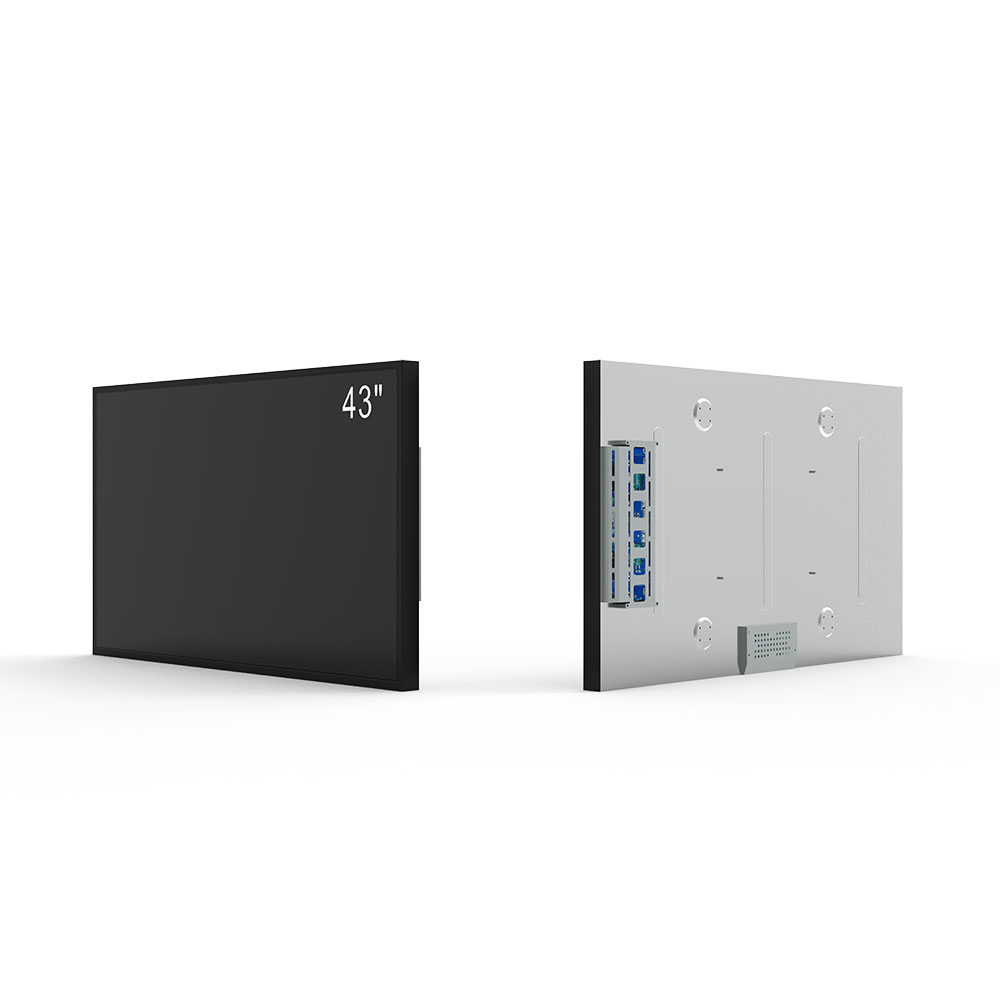
Next, evaluate the brightness requirements. In well-lit indoor environments, 300–500 nits may suffice, but for outdoor use or bright lighting conditions, 1000 nits or higher is necessary. The European Union’s EN 62368-1 standard recommends minimum luminance levels for visibility in high-glare environments. Displays with AG (Anti-Glare) coatings and high-brightness LEDs, such as those from AU Optronics or Innolux, are ideal for outdoor kiosks or vehicle dashboards.
Durability is another key factor. Industrial LCDs must resist vibration, shock, and dust ingress. Look for IP65 or higher ratings (as defined by IEC 60529), which indicate protection against water jets and dust particles. Displays used in rail transport or heavy machinery often require MIL-STD-810G compliance for shock and vibration resistance. For instance, the Samsung SMT220C series meets these standards while maintaining high contrast ratios (>1000:1).
Power efficiency also matters. Many industrial systems run on battery power or limited electrical supplies. Low-power LCDs with advanced backlight control (like PWM dimming) reduce energy consumption by up to 40%. Companies like BOE Technology and JDI have developed low-power panels using e-Ink and OLED technologies that extend operational life in remote IoT monitoring stations.
Connectivity options must match your system architecture. If integrating with legacy PLCs or embedded systems, VGA, LVDS, or TTL interfaces are essential. For modern applications involving AI edge computing, HDMI or MIPI DSI interfaces are preferable. Always verify compatibility with existing hardware—consult datasheets and reference designs from manufacturers like Renesas or NXP.
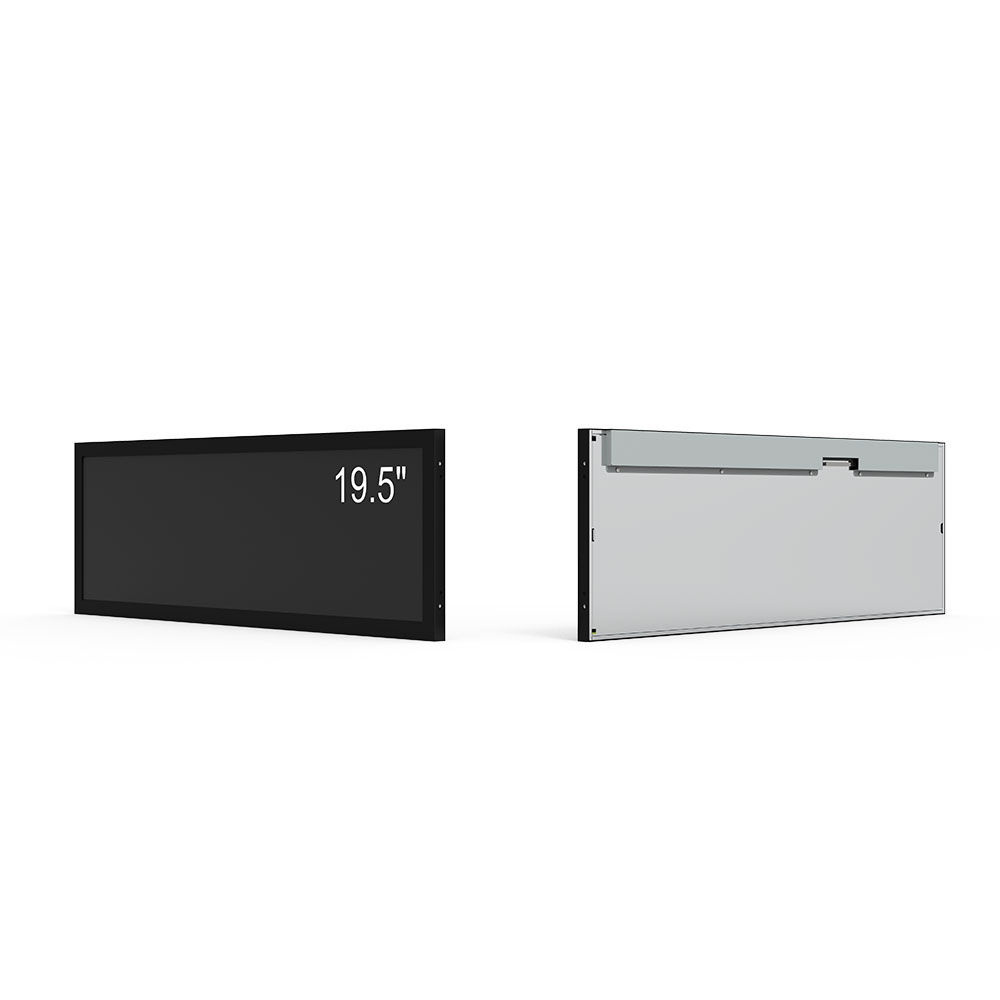
User interface design shouldn't be overlooked. Touchscreens are increasingly common in industrial settings, but not all touch solutions are equal. Projected capacitive (PCAP) touch sensors offer superior accuracy and multi-touch capability compared to resistive touch, especially in gloves or wet conditions. For example, the Wistron WTS Series supports glove-compatible PCAP touch, making them suitable for food processing or cold storage facilities.
Finally, consider long-term support and lifecycle management. Industrial components typically have 10+ year product lifecycles. Choose vendors with strong EOL (End-of-Life) policies, like LG Display and Innolux, which provide extended availability and migration paths for older models. Also, ensure compliance with RoHS, REACH, and other regulatory frameworks to avoid legal issues in global markets.
In summary, selecting an industrial LCD involves a systematic evaluation of environmental resilience, optical performance, mechanical durability, power efficiency, connectivity, human interaction, and supply chain stability. A well-chosen display enhances system reliability, reduces maintenance costs, and improves overall operational efficiency across diverse industrial sectors.