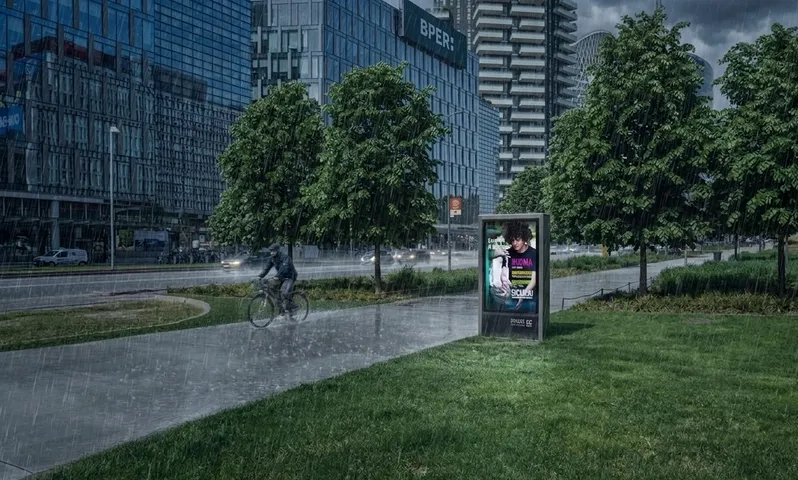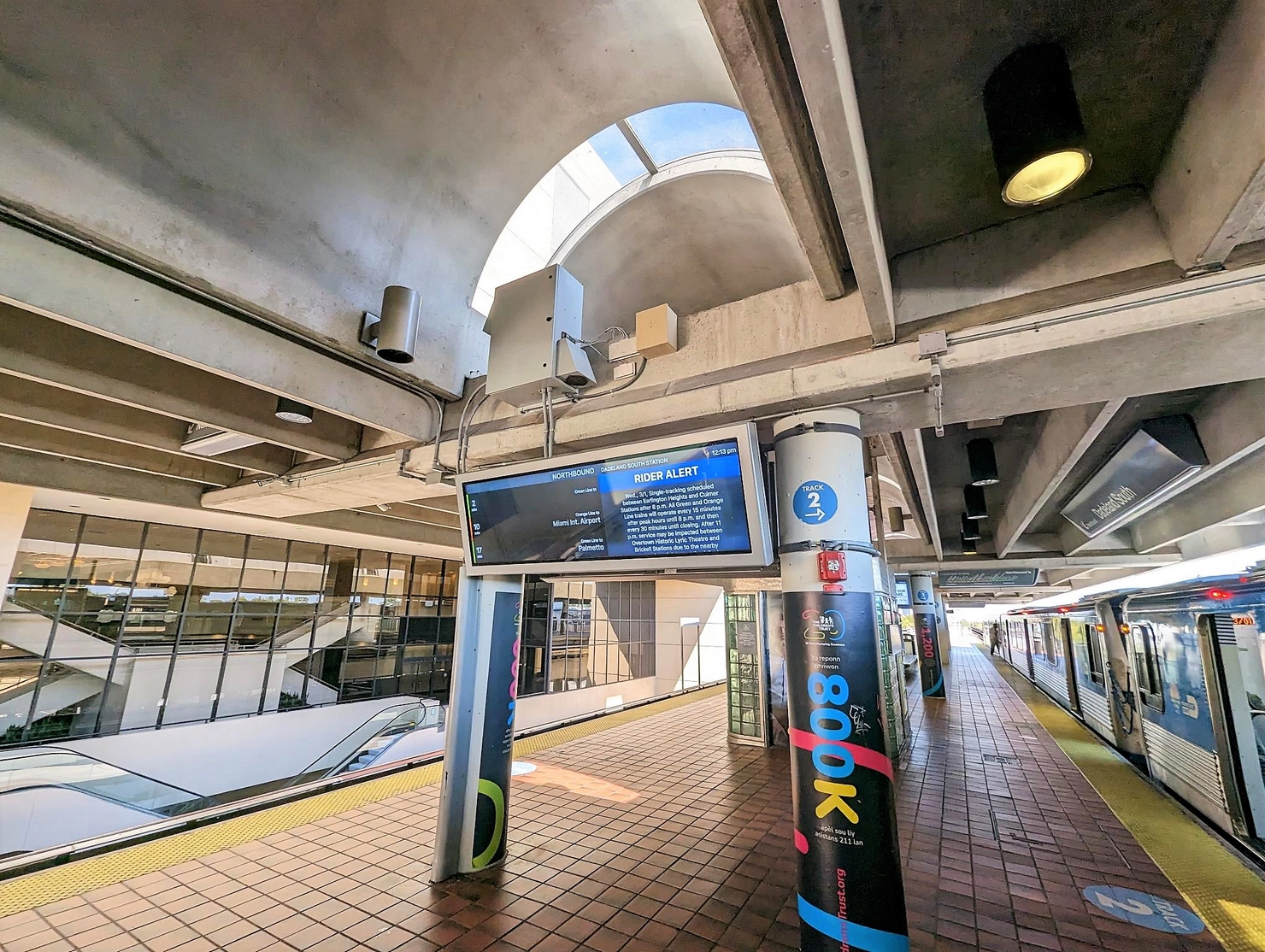







In today’s rapidly evolving display technology landscape, the demand for high-brightness, sunlight-readable LCD screens has surged—especially in outdoor and industrial environments where visibility under direct sunlight is critical. Whether it's for military operations, transportation systems, or construction equipment, manufacturers must ensure that displays remain legible even under extreme lighting conditions. This article explores how modern 2K and 4K resolution options are revolutionizing the performance of sunlight-readable LCDs while maintaining superior brightness levels (typically 5000 nits and above).
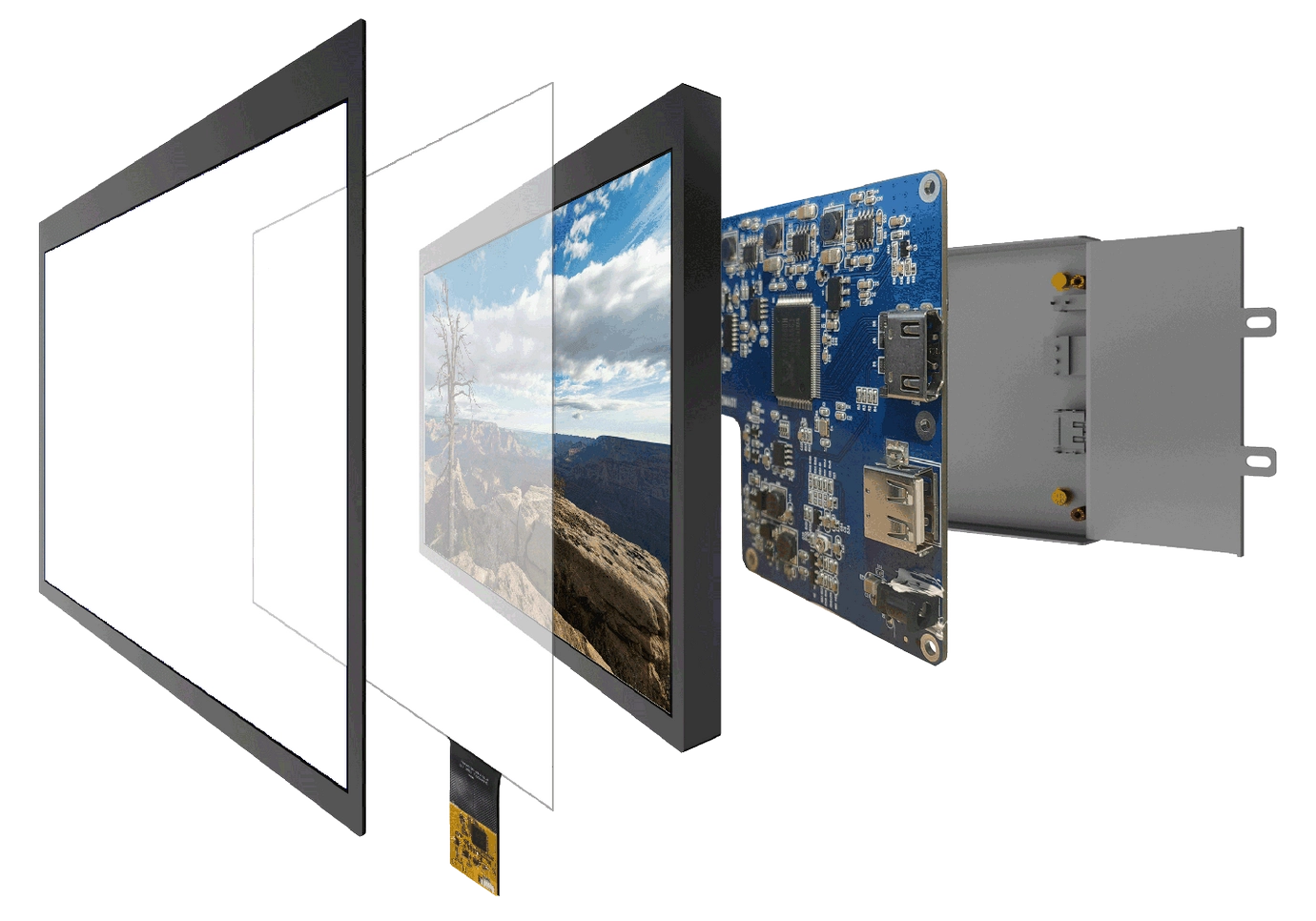
High brightness is not just about making the screen glow—it's about contrast ratio, color accuracy, and viewing angle stability under harsh environmental conditions. Sunlight-readable LCDs utilize advanced technologies such as anti-glare coatings, high-efficiency LED backlighting, and optimized polarization layers to reduce glare and enhance readability. When paired with 2K (2560x1440) or 4K (3840x2160) resolutions, these screens deliver crisp images, sharp text, and detailed graphics—even when exposed to full sun at noon.
Industry standards like MIL-STD-810G for ruggedization and IEC 60068 for environmental testing guide the design of these panels. For example, a 4K sunlight-readable LCD used in an aircraft control system must withstand vibration, temperature extremes (-30°C to +70°C), humidity, and dust ingress (IP65 rating). These displays often feature integrated brightness sensors that automatically adjust luminance based on ambient light levels—a key energy-saving and usability feature.
Case studies from leading OEMs show that deploying 2K/4K sunlight-readable screens reduces operator fatigue and increases task efficiency by up to 30%. In marine navigation applications, 4K resolution enables clearer mapping and real-time GPS overlay, which is vital during low-light or high-glare conditions. Similarly, in mining or agriculture machinery, 2K screens offer cost-effective clarity without compromising durability.
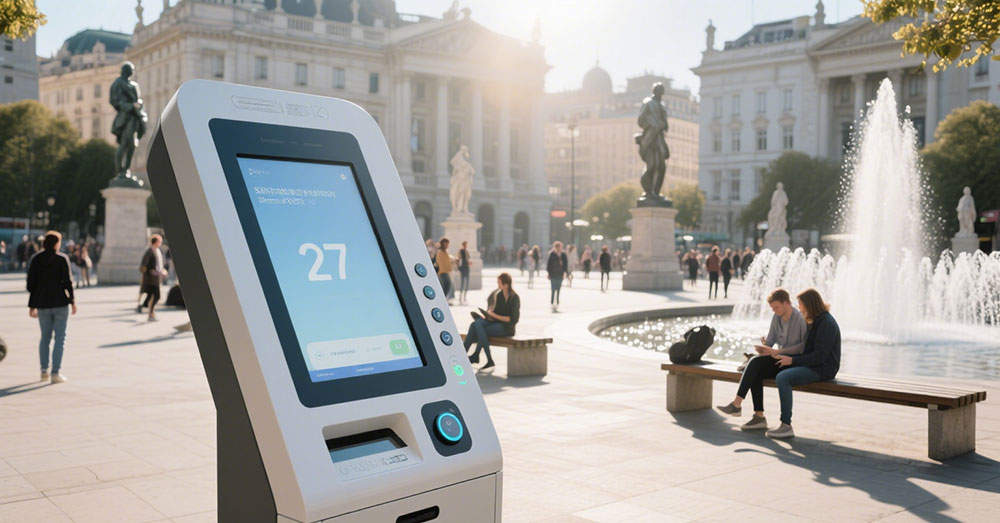
Manufacturers like LG Display, BOE Technology, and Innolux now offer tailored solutions with custom bezels, touch overlays, and wide-viewing-angle IPS panels. These innovations ensure consistent image quality across all angles—a necessity for multi-user interfaces in command centers or public kiosks.
In summary, the integration of 2K and 4K resolutions into sunlight-readable LCD screens represents a major leap forward in visual reliability and user experience. As industries continue to digitize field operations, investing in high-brightness, high-resolution displays isn't just an upgrade—it's a strategic imperative.