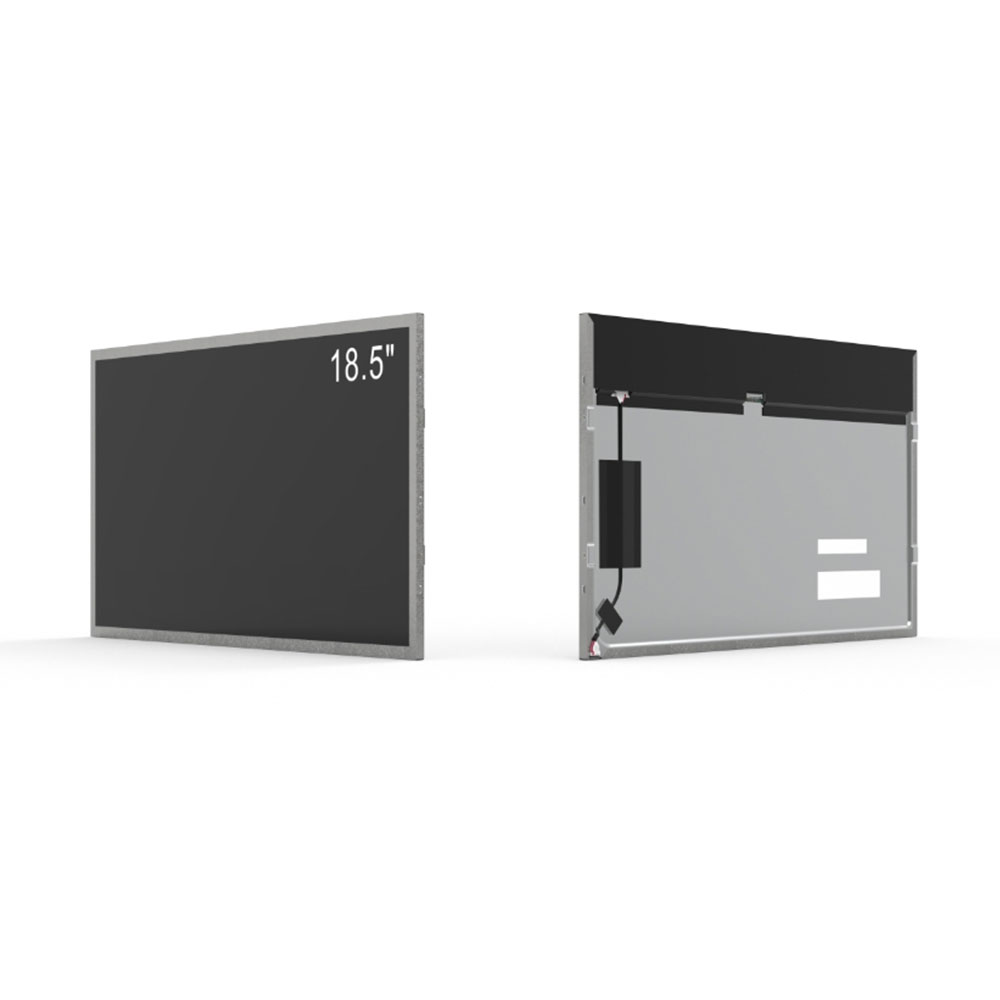
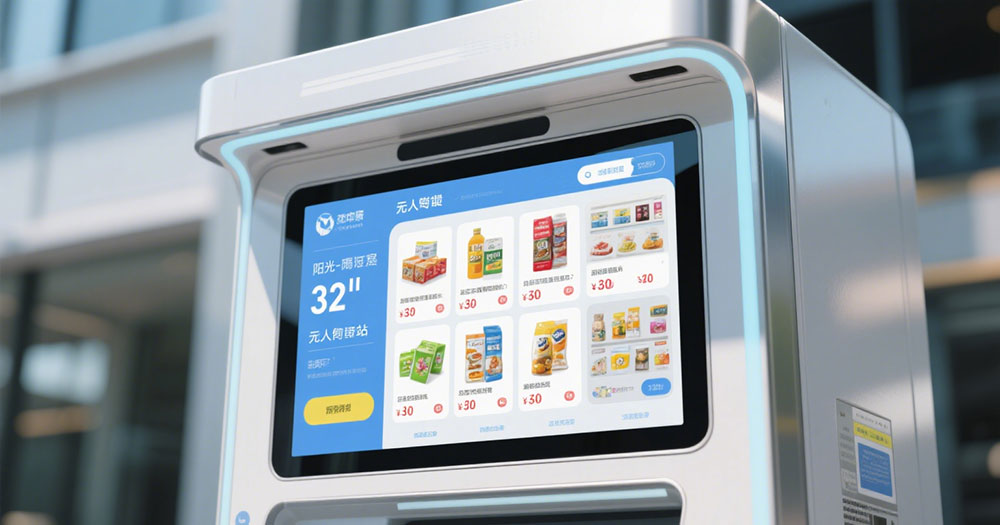
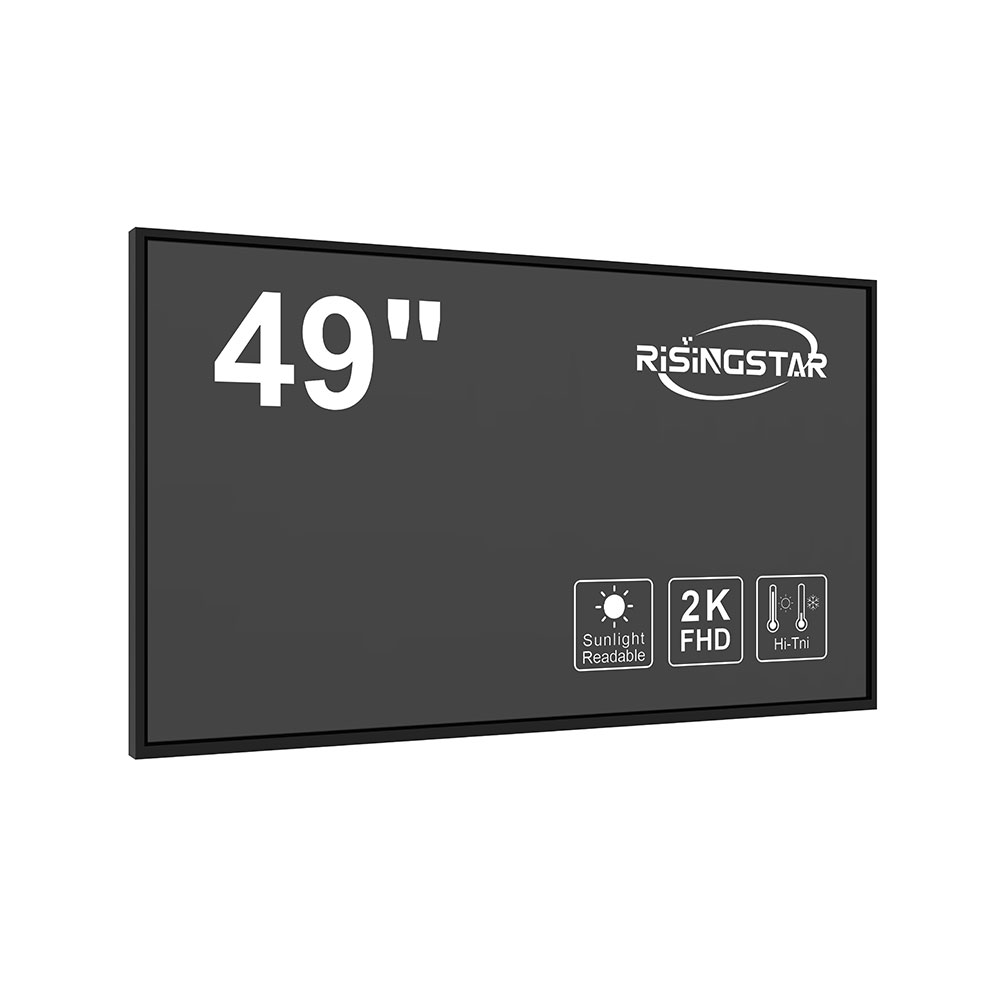
Sunlight-readable high-brightness LCD displays are essential in outdoor applications where visibility under direct sunlight is critical—such as military vehicles, industrial control panels, construction equipment, and public transportation systems. Unlike standard LCDs that suffer from glare and reduced contrast in bright conditions, these specialized displays are engineered to maintain clarity, color accuracy, and readability even at luminance levels exceeding 5,000 nits.
The foundation of a successful sunlight-readable display lies in high peak brightness—typically 3,000 to 10,000 nits—achieved through advanced backlight technologies like LED arrays with optimized optical films and diffusers. For example, the use of high-efficiency LEDs combined with dual-layer brightness enhancement films (BEFs) can boost luminance while minimizing power consumption. According to ISO 9241-307 standards, display brightness must exceed 5,000 nits to ensure legibility in full sunlight, making this a non-negotiable benchmark in design specifications.
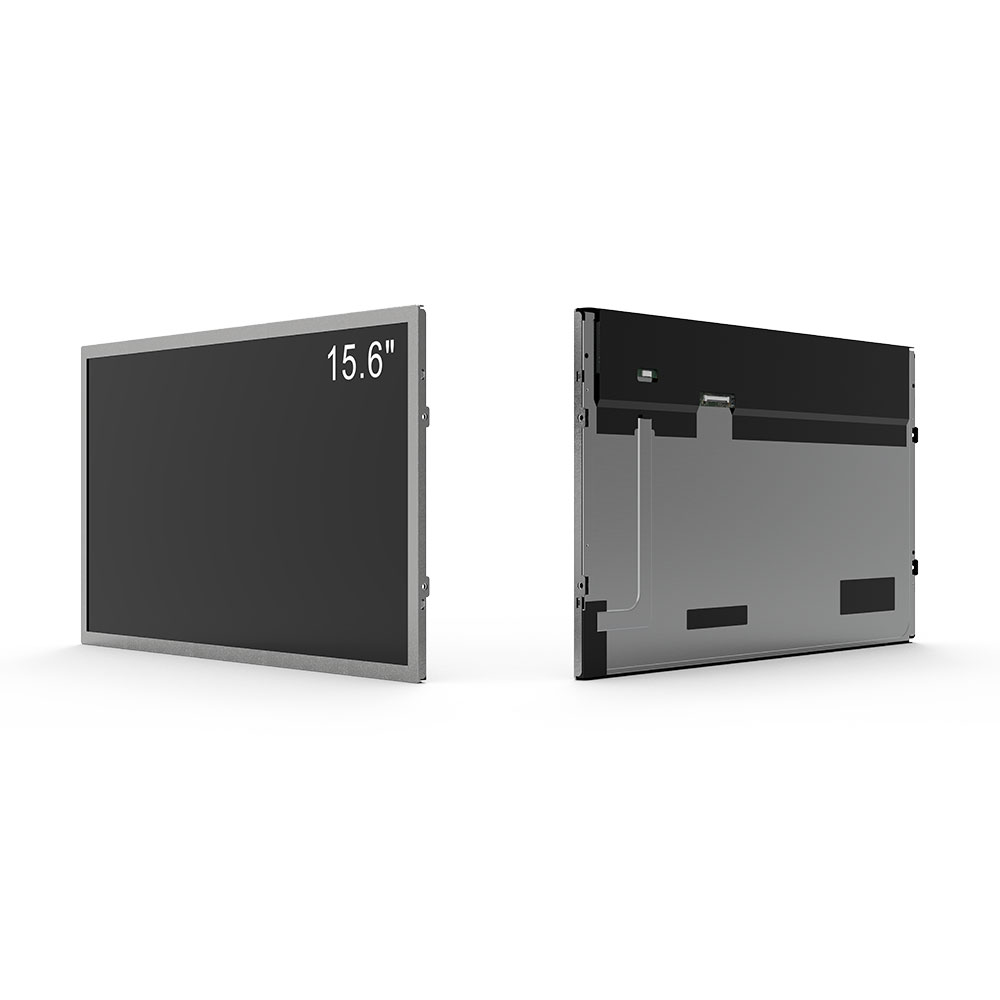
In addition to brightness, contrast ratio plays a pivotal role. A minimum contrast ratio of 1000:1 is required for effective outdoor readability, which manufacturers achieve by using anti-reflection coatings (AR coatings), polarized lenses, and high-contrast liquid crystal materials such as TN or IPS panels with improved transmittance. Some OEMs integrate active matrix OLEDs (AMOLEDs) for superior contrast, though they require careful thermal management due to higher power draw.
Environmental durability is equally important. These displays often comply with IP65/IP67 ratings for dust and water resistance and meet MIL-STD-810G for shock and vibration tolerance. Thermal design—using heat sinks, thermally conductive adhesives, and efficient power regulation—is crucial to prevent overheating in extreme temperatures ranging from -30°C to +70°C.
Case studies from leading defense contractors like Lockheed Martin and industrial equipment makers like Caterpillar show that integrating sunlight-readable LCDs into field-deployable systems increases operational safety and reduces error rates in high-stress environments. For instance, a 2022 study published in IEEE Transactions on Industrial Electronics demonstrated a 42% improvement in operator reaction time when using 7,000-nit displays versus 2,000-nit counterparts in mining machinery controls.
Manufacturers must also consider human factors—ergonomics, viewing angles, and color gamut consistency—to ensure long-term usability. The use of wide-viewing-angle IPS panels (with ±80° horizontal/vertical viewing) and sRGB-compatible color spaces ensures that users see consistent images regardless of their position relative to the screen.
Finally, future-proofing includes support for low-power modes, adaptive brightness control via ambient light sensors, and compatibility with ruggedized touch interfaces (capacitive or resistive). With increasing demand across sectors—from autonomous vehicles to smart cities—sunlight-readable high-brightness LCDs are no longer optional; they’re a core component of resilient, user-centric design.