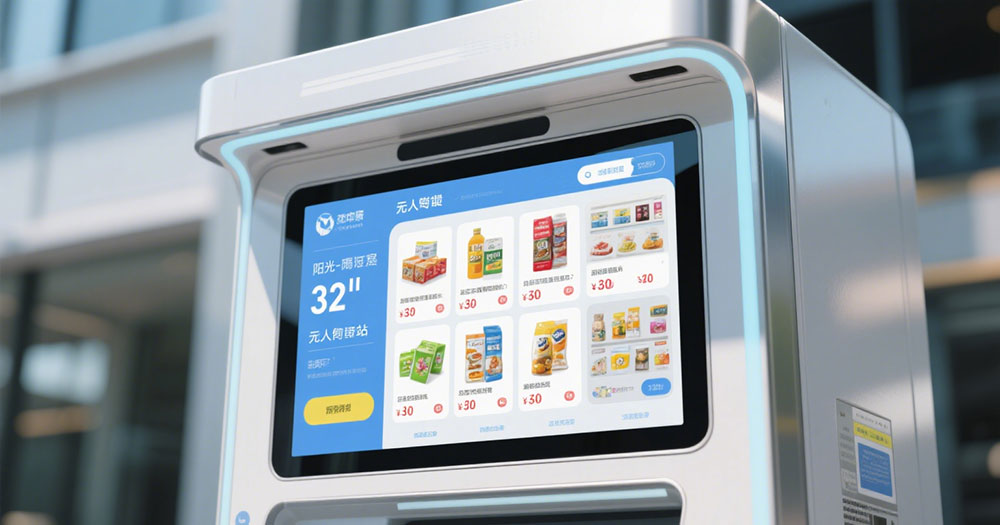
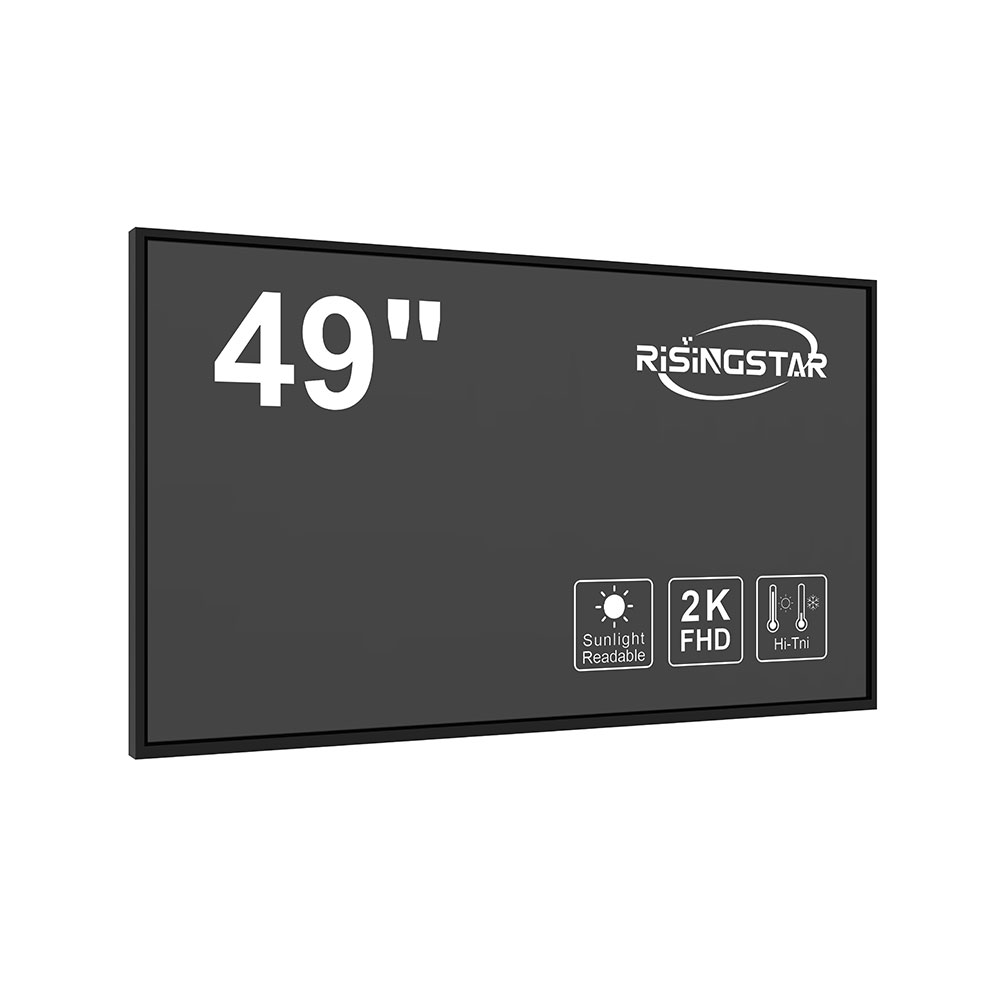
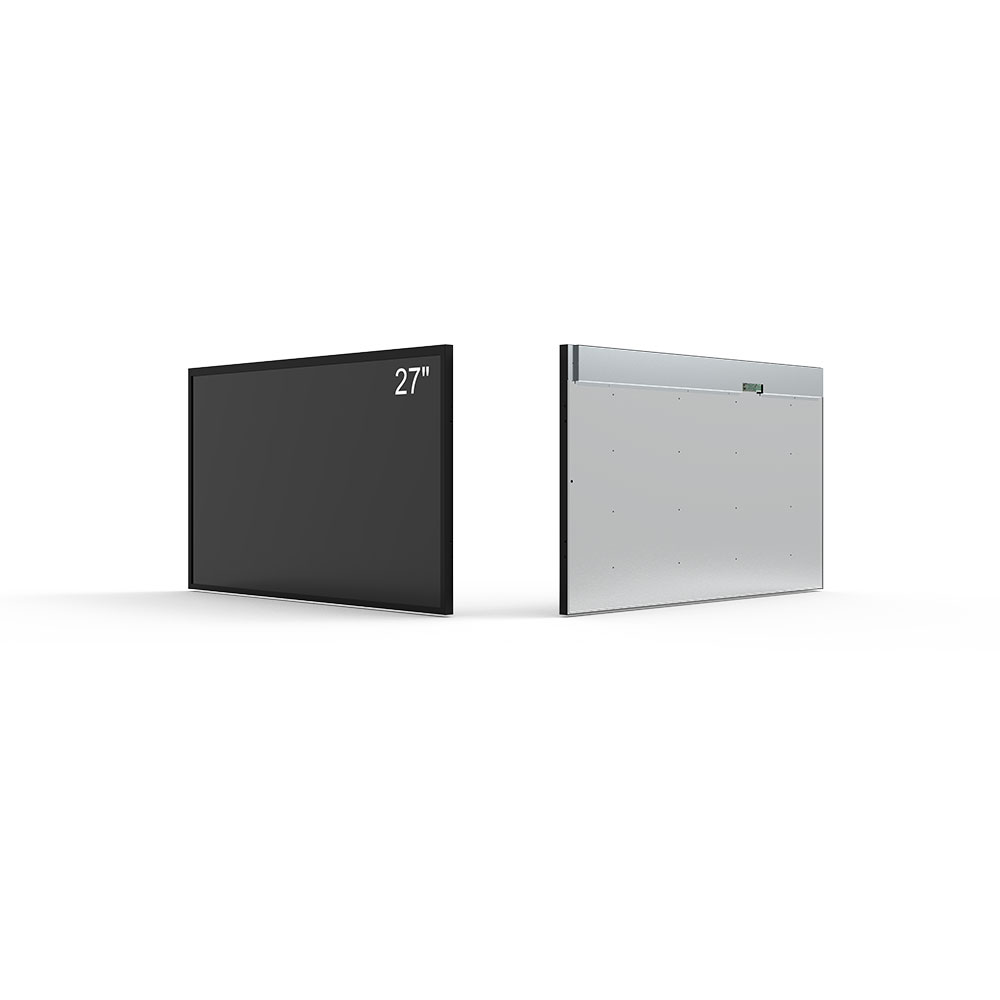
In outdoor environments, standard LCD screens often fail to deliver clear visibility due to ambient light interference and brightness limitations. Sunlight-readable high-brightness LCD screens are engineered specifically to overcome these challenges, ensuring optimal performance under direct sunlight—critical for applications in transportation, defense, industrial automation, and public information systems.
These displays typically feature luminance levels of 3,000 to 10,000 cd/m², far exceeding the 250–500 cd/m² range of conventional indoor screens. The increased brightness is achieved through advanced backlighting technologies such as LED arrays with optimized optical films, high-efficiency drivers, and thermal management systems that prevent overheating in extreme conditions. For instance, MIL-STD-810G-certified units used in military vehicles maintain readability at over 7,000 cd/m² even in full sunlight at 40°C ambient temperature.
A key differentiator is the use of anti-glare coatings and polarized lenses that reduce specular reflections without compromising contrast ratio. Some models incorporate digital dynamic contrast enhancement (DCE) algorithms that adjust pixel-level illumination in real time based on ambient light sensors. This ensures consistent image quality whether the device is operating in a shaded parking lot or a desert environment.
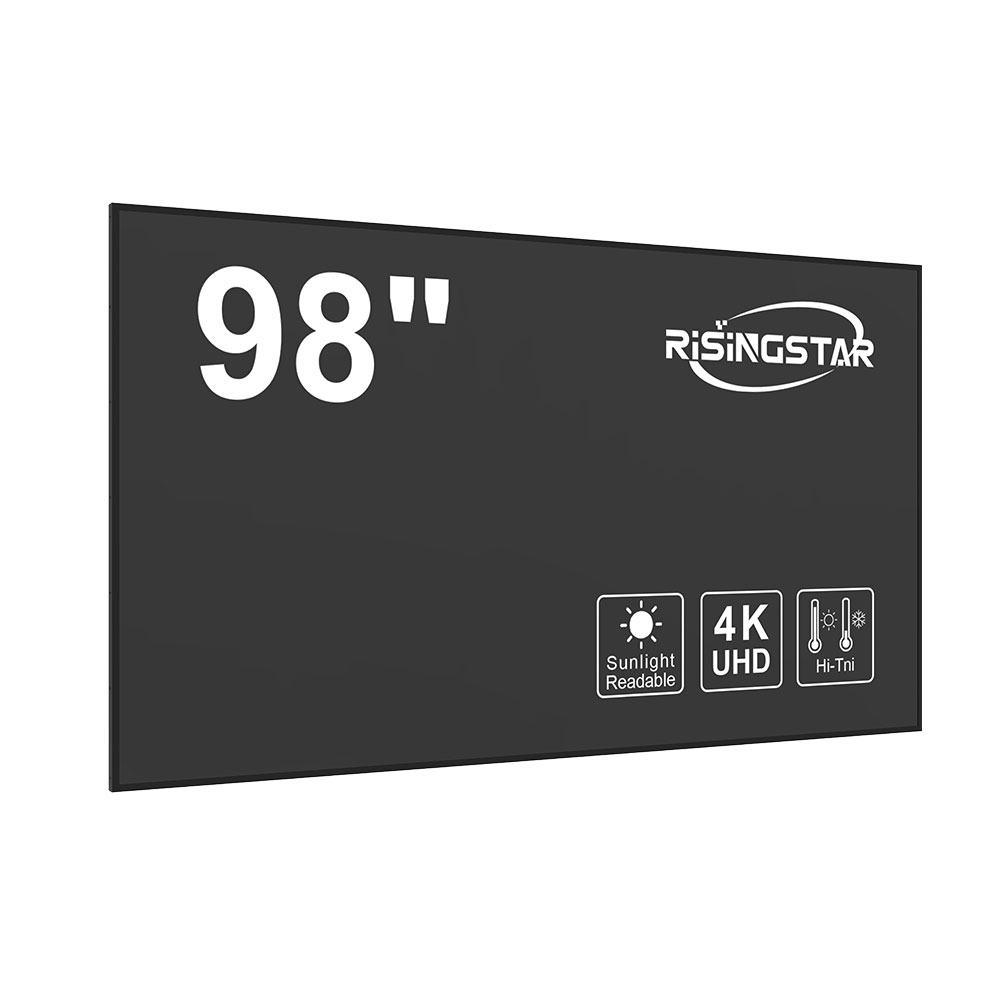
Manufacturers like Sharp, LG, and BOE have developed proprietary technologies such as “Super Bright” panels and wide-view IPS (In-Plane Switching) substrates, which offer both high brightness and excellent color consistency across viewing angles. These features are essential for critical applications such as aviation control panels, construction site monitors, and emergency response equipment.
Compliance with international standards—including EN 60950 for safety, ISO 16750 for automotive durability, and IEC 60068 for environmental stress testing—ensures reliability in harsh conditions. Additionally, power-efficient designs using low-voltage drivers and adaptive brightness control help reduce energy consumption in solar-powered or battery-operated devices.
For global deployment, manufacturers must also consider regional regulations regarding EMI/EMC (electromagnetic compatibility), RoHS compliance, and display longevity (measured in MTBF—Mean Time Between Failures). Industry case studies show that sunlight-readable LCDs in fleet management systems reduce driver errors by up to 40% compared to non-readability-optimized displays, directly improving operational safety and efficiency.
Whether in mobile command centers, smart city kiosks, or agricultural drones, high-brightness LCDs represent a foundational technology for modern outdoor human-machine interfaces. As demand grows for ruggedized electronics in IoT and edge computing ecosystems, investing in sunlight-readable displays remains a strategic imperative for OEMs seeking market differentiation and user satisfaction.