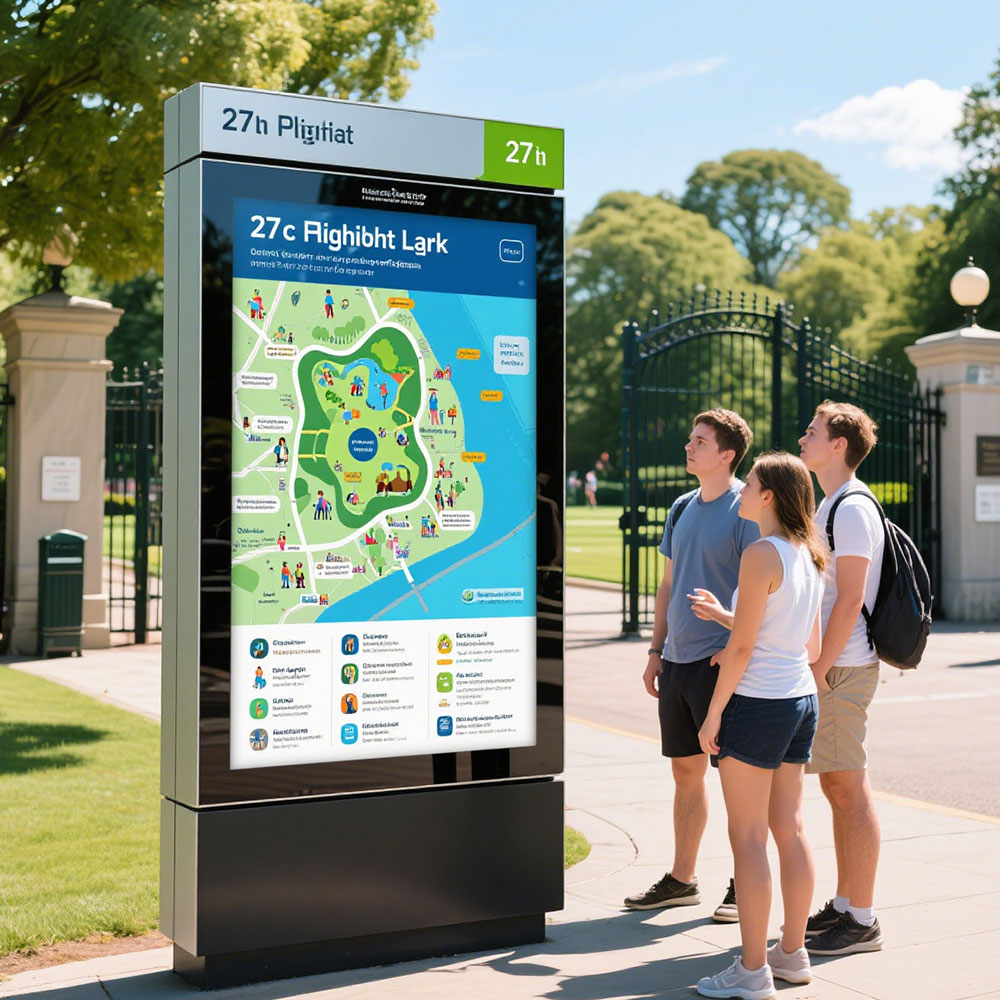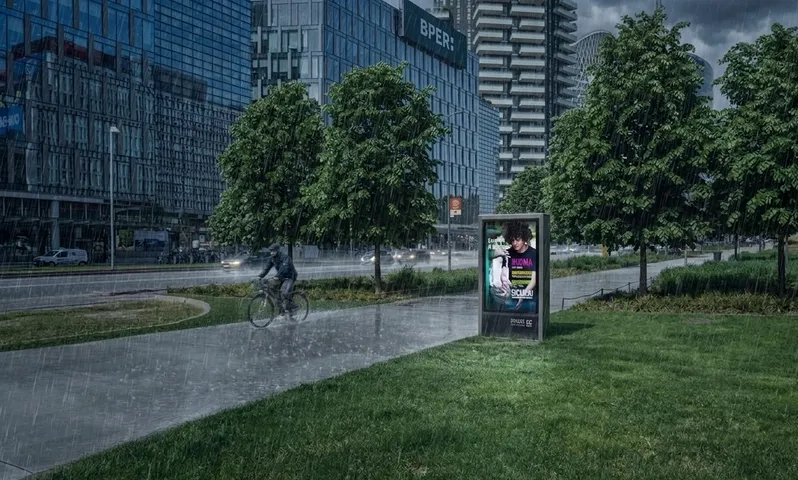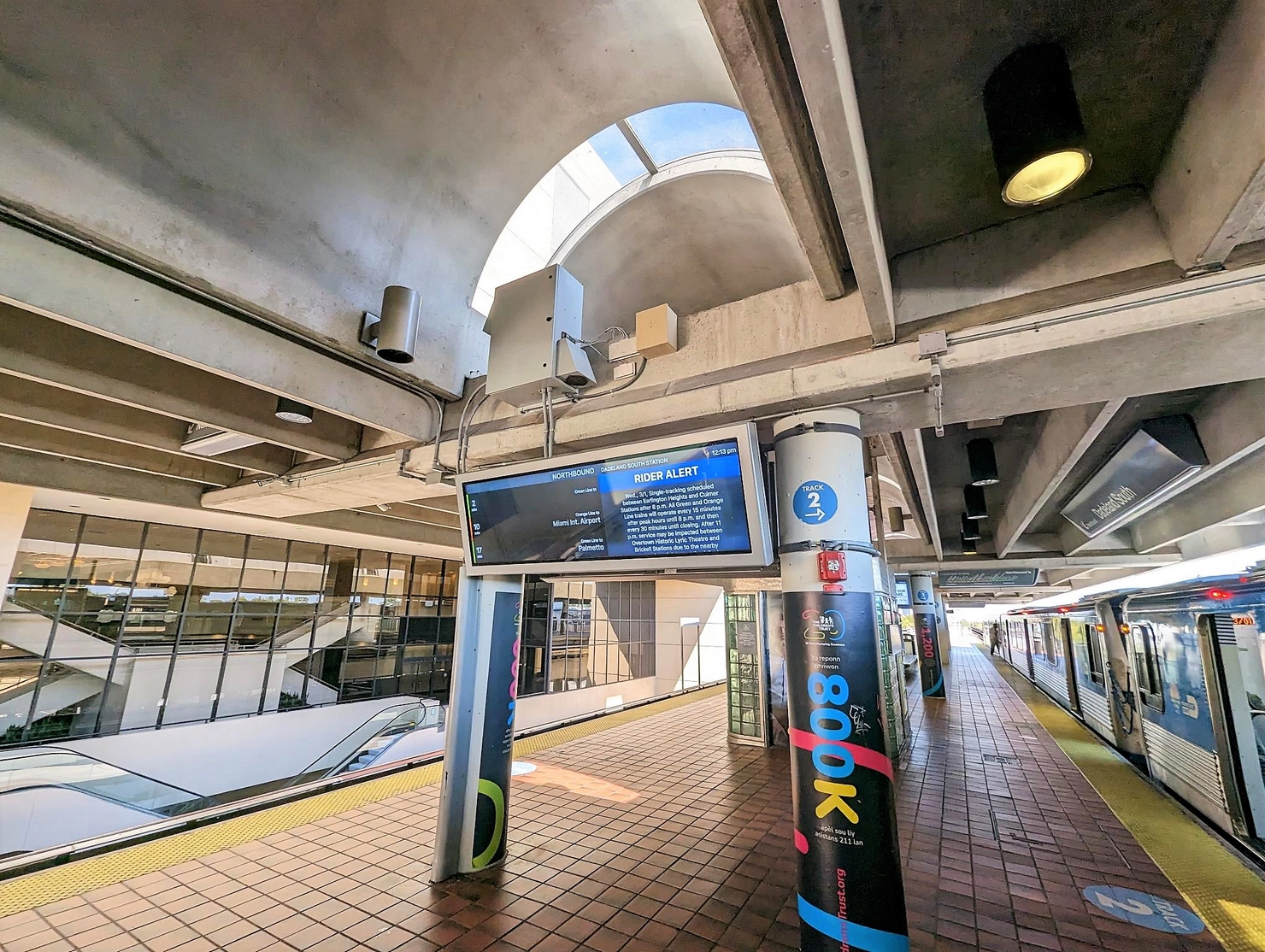







In the rapidly evolving world of display technology, sunlight readable high brightness LCD screens have become essential for outdoor applications where visibility under direct sunlight is critical. These displays are engineered to deliver exceptional clarity and contrast even in extreme lighting conditions—ranging from bright midday sun (over 100,000 lux) to low-light environments such as night operations or tunnels.
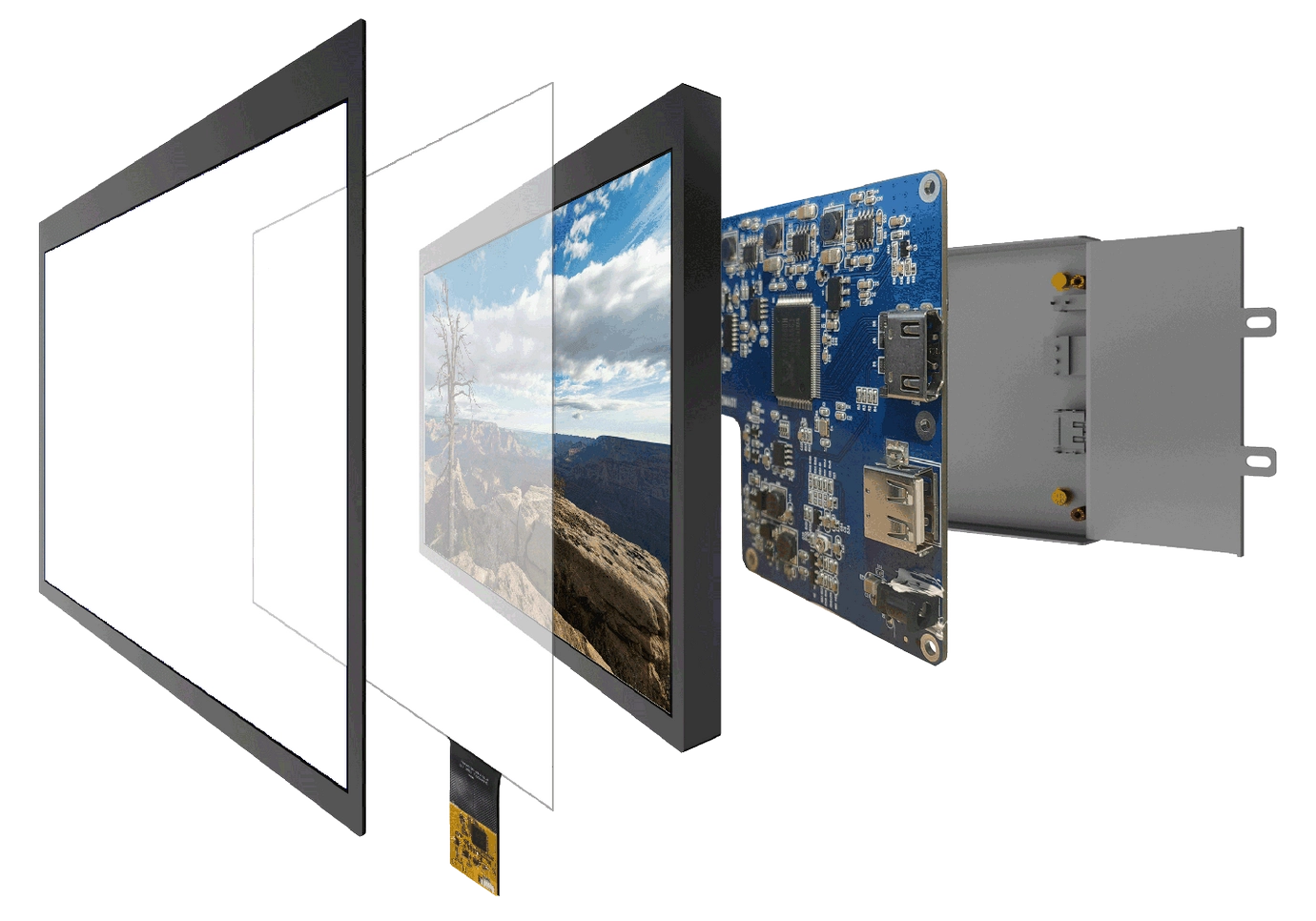
Manufacturers like LG Display, Samsung, and Japan Display have pioneered advancements in this field by integrating technologies such as advanced backlighting systems, anti-reflective coatings, and high-efficiency polarizers. For example, a typical sunlight readable LCD may feature a brightness level of at least 5,000 nits, with some models reaching up to 10,000 nits—far exceeding standard indoor displays that typically operate at 300–500 nits. This is achieved through the use of LED arrays with precise current control and thermal management to prevent overheating while maintaining consistent luminance.
The key challenge in designing these screens lies in balancing power consumption, heat dissipation, and image quality. Engineers often employ dynamic brightness adjustment algorithms that automatically reduce brightness when ambient light decreases—thus extending battery life in mobile devices without sacrificing readability. Additionally, innovations like micro-lens arrays and diffusers help distribute light more evenly across the panel, reducing hotspots and enhancing uniformity—a crucial factor for military, aviation, and industrial users who rely on consistent performance.
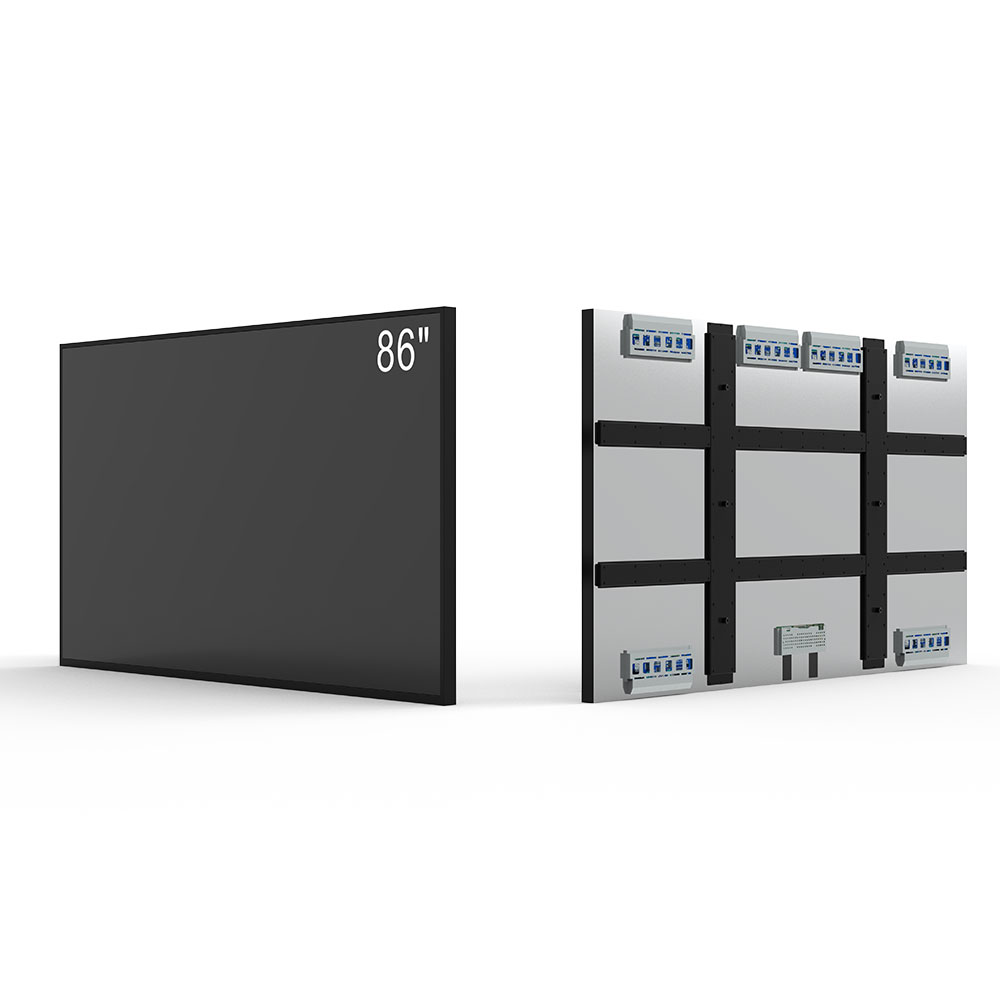
Industry standards such as MIL-STD-810G and IEC 60068 ensure durability under harsh environmental conditions including temperature extremes (-30°C to +70°C), humidity, shock, and vibration. Real-world case studies—such as their deployment in solar-powered traffic monitoring systems in Dubai or marine navigation panels on U.S. Navy vessels—demonstrate how these screens maintain operational integrity in demanding settings.
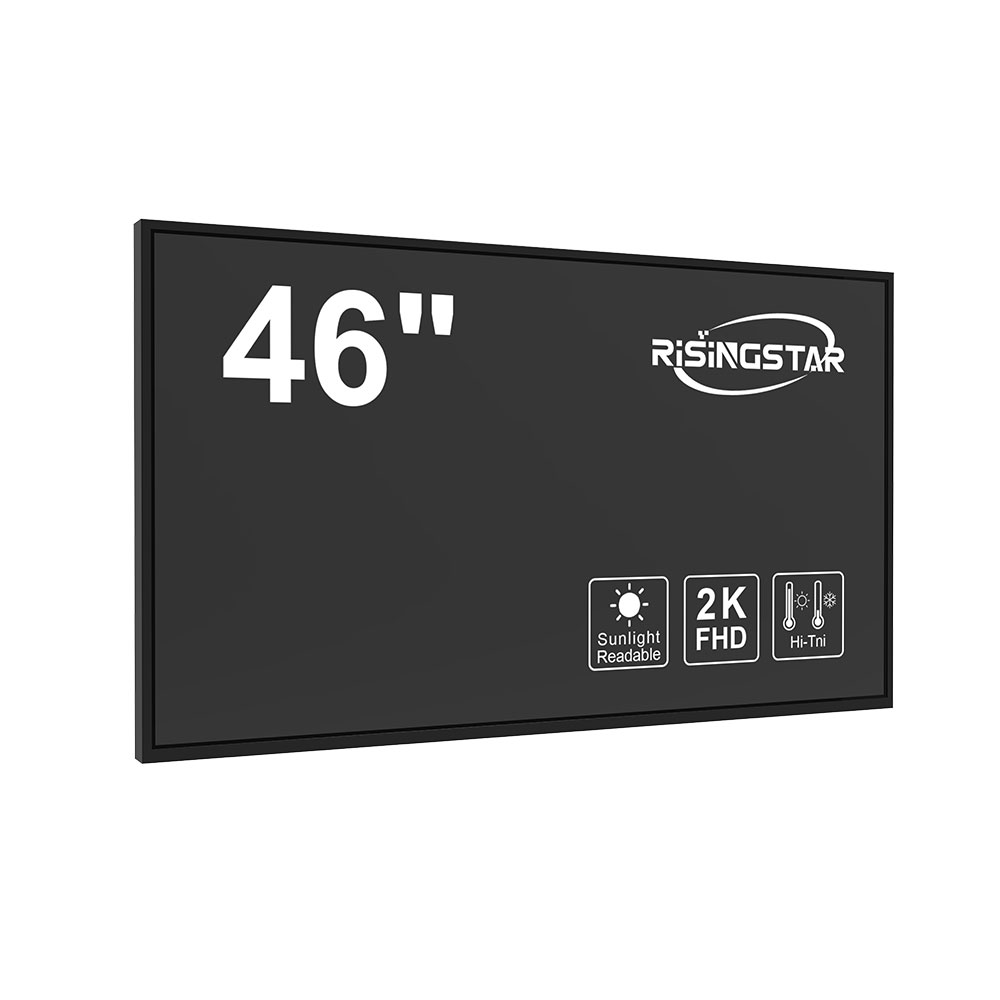
Importantly, sunlight readable displays are not just about raw brightness; they also require optimized contrast ratios (often above 1000:1), wide viewing angles (170° horizontal and vertical), and fast response times (<1ms). These features collectively enable seamless user interaction in real-time scenarios—from emergency vehicle dashboards to construction site control units.
As smart cities grow and IoT devices become ubiquitous, the demand for durable, energy-efficient, and highly visible displays continues to rise. Sunlight readable high brightness LCDs are now foundational components in sectors ranging from transportation and defense to agriculture and retail. Their role in enabling reliable human-machine interfaces under challenging conditions underscores why they remain a top priority for OEMs and system integrators alike.