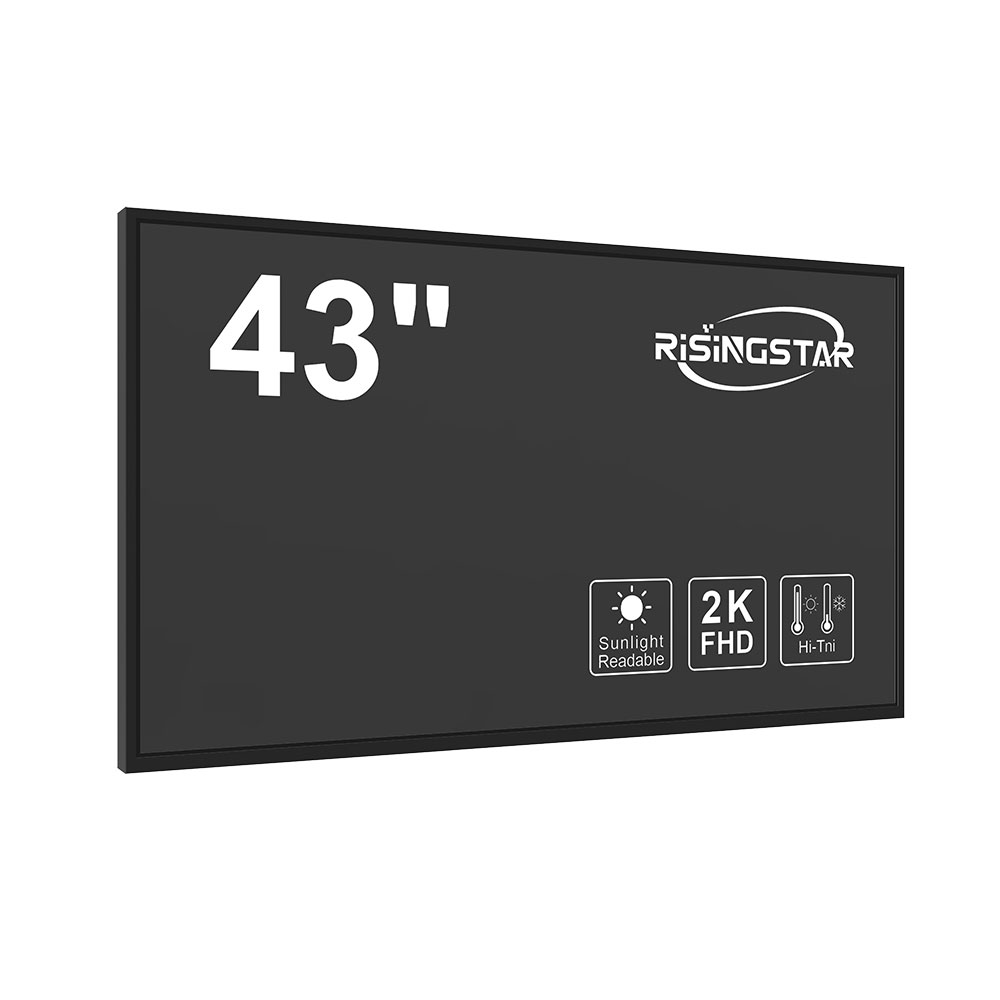
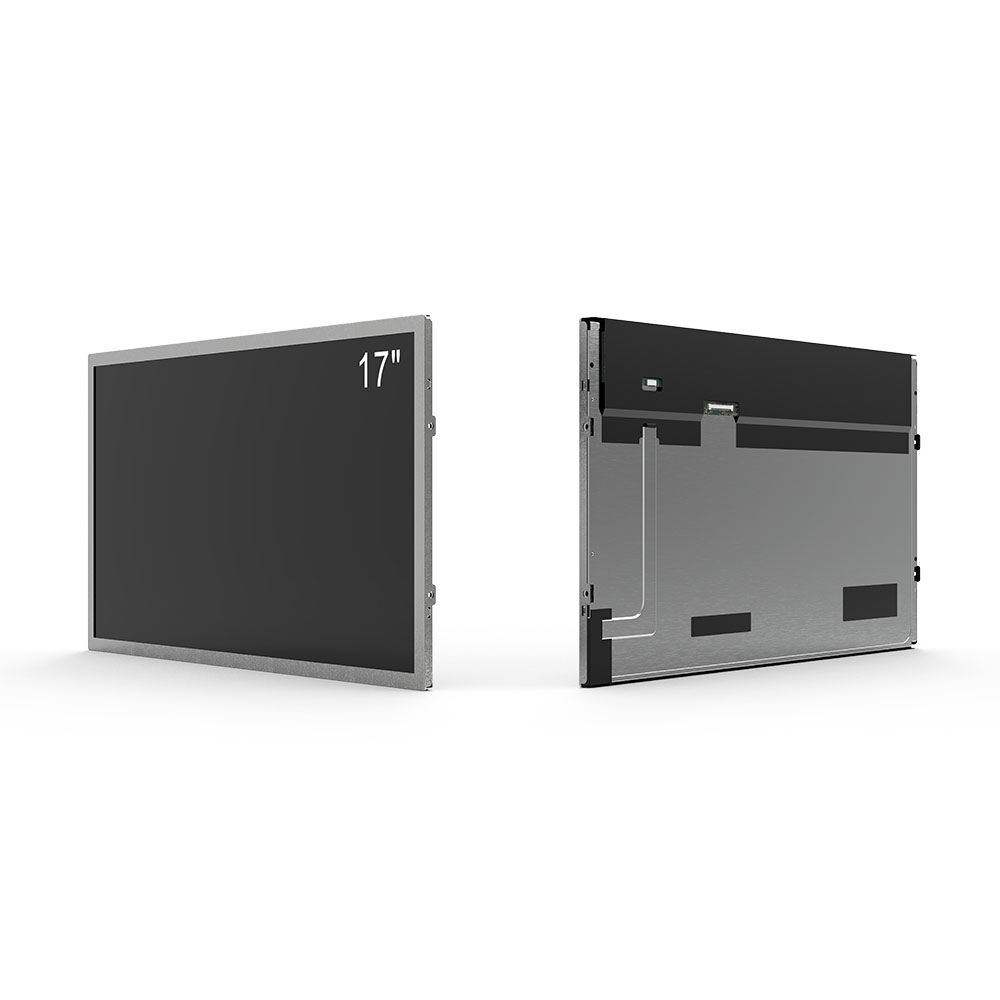
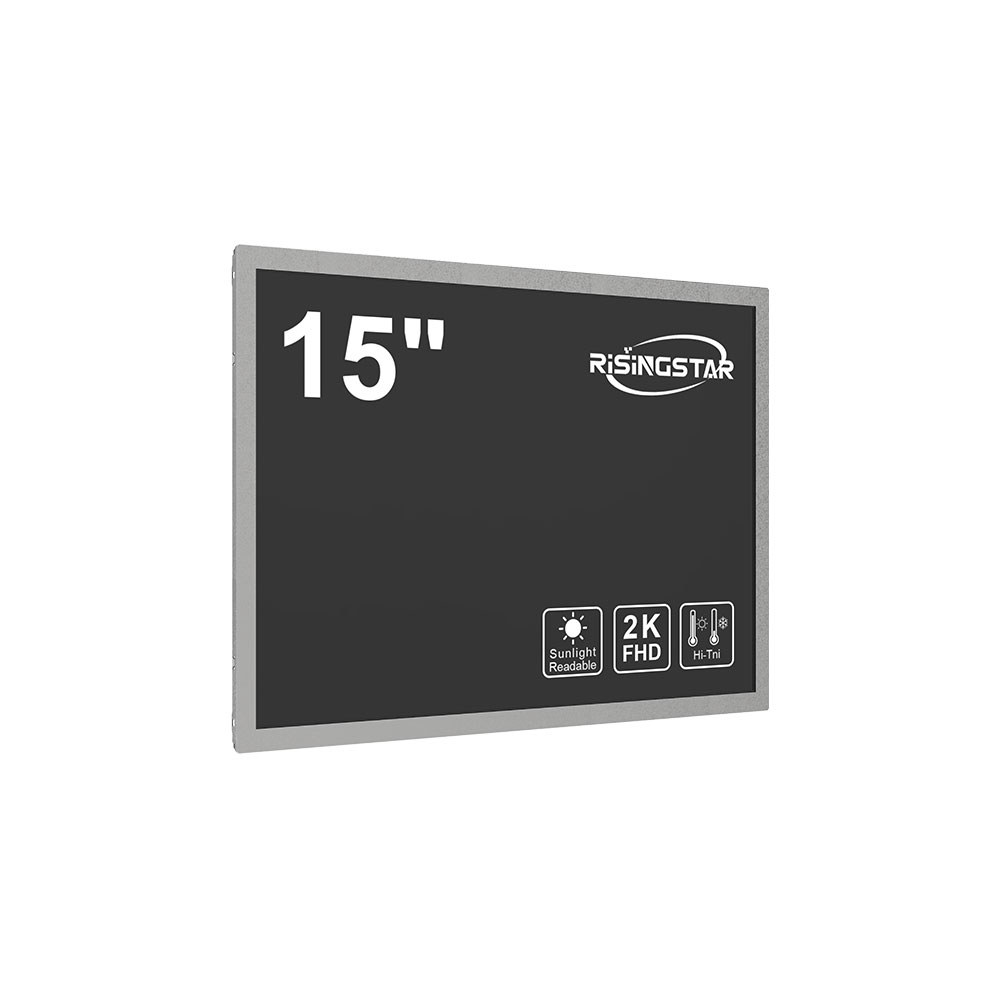
In today’s increasingly connected world, outdoor digital signage, industrial control panels, and mobile military equipment demand displays that are not only bright and readable under direct sunlight but also resilient to harsh environmental conditions. One of the most critical standards for durability in such applications is the IP66 rating—a benchmark defined by the International Electrotechnical Commission (IEC) that guarantees protection against dust ingress and powerful water jets.
To achieve IP66 waterproofing in high-brightness LCD screens, manufacturers must integrate both structural design and material science. First, the display housing must be sealed using high-quality gaskets made from silicone or EPDM rubber—materials proven in aerospace and automotive industries for their resistance to UV degradation, extreme temperatures, and chemical exposure. These seals must conform precisely around all openings—such as button holes, connectors, and ventilation ports—to prevent water penetration during heavy rain or pressure washing.
Second, the LCD panel itself must be protected with an anti-reflective, scratch-resistant Gorilla Glass or similar hardened glass laminate rated for 1000+ nits brightness. This layer not only improves visibility in sunlight (a key requirement for public-facing displays) but also acts as a barrier against moisture. In some advanced designs, manufacturers apply a hydrophobic coating to the outer surface, which causes water to bead up and roll off rather than pooling—a feature particularly effective in tropical or coastal environments.

Third, internal components—including backlight modules, PCBs, and connectors—must be potted or encapsulated using conformal coatings like polyurethane or silicone-based materials. This ensures that even if moisture enters the enclosure, it won’t short-circuit sensitive electronics. Industry-leading manufacturers often perform accelerated aging tests per IEC 60068-2-14 (salt mist test) and IEC 60529 (IP code verification) to validate long-term reliability.
Real-world case studies show IP66-rated displays are now standard in traffic signal systems in cities like Singapore and Dubai, where units withstand monsoon rains and high humidity without failure. Similarly, solar-powered IoT monitoring devices deployed in remote African regions rely on these displays for data clarity and durability under continuous sun exposure and sudden downpours.
For engineers and procurement teams, selecting an IP66-certified high-brightness LCD isn’t just about passing a test—it’s about ensuring operational continuity in mission-critical environments. The integration of robust sealing methods, durable materials, and rigorous testing protocols is what separates true IP66 compliance from marketing claims.