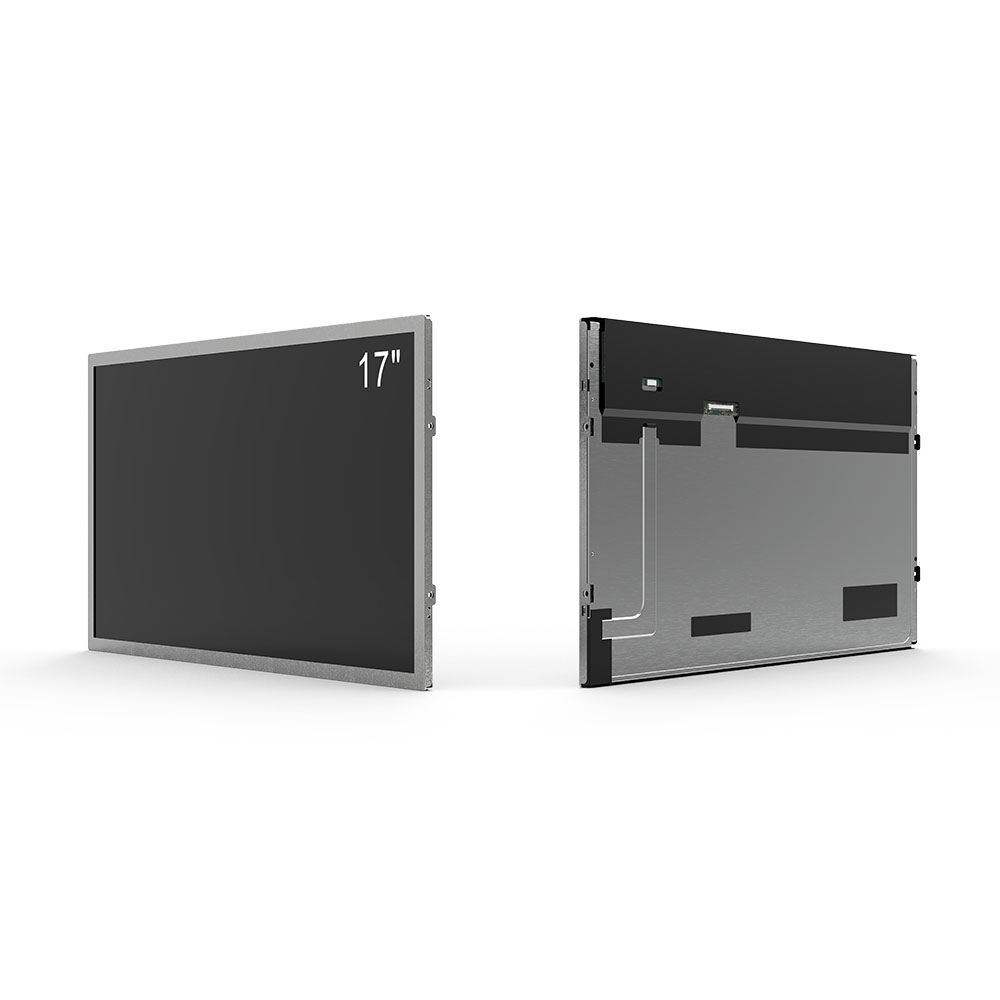
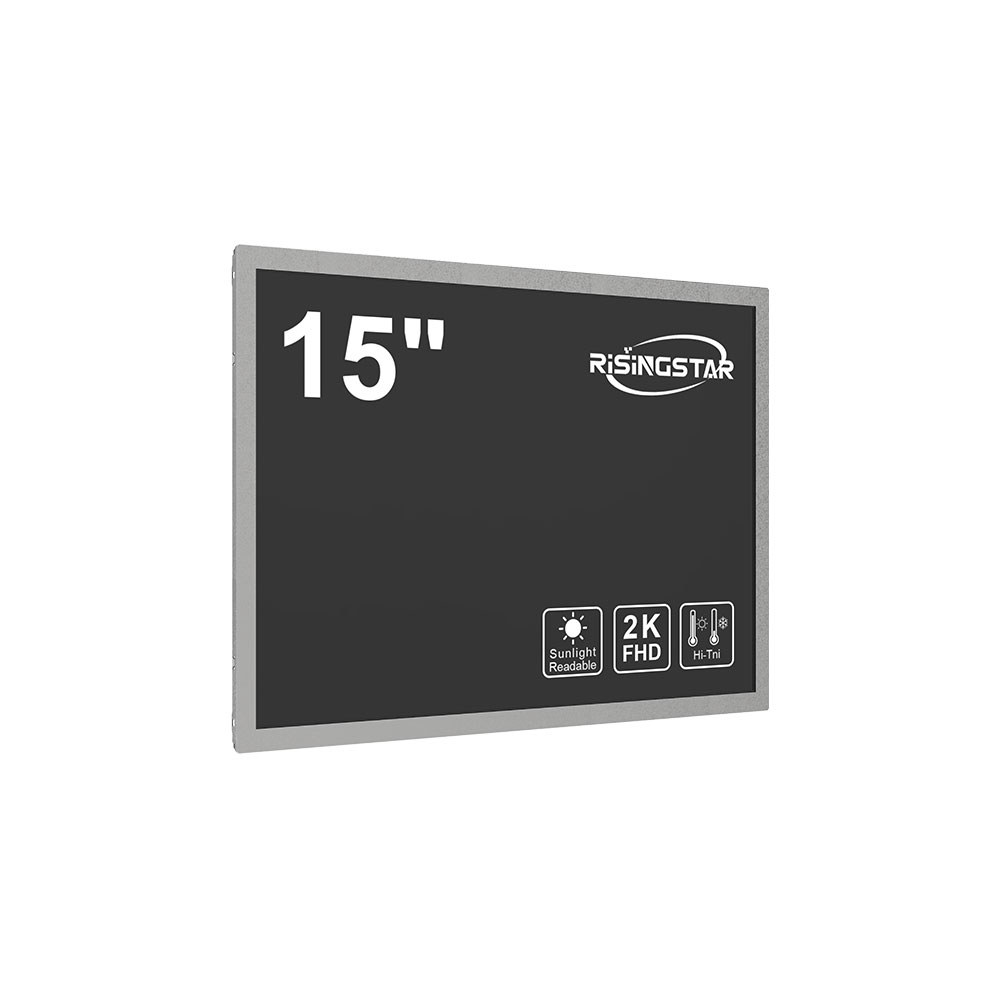
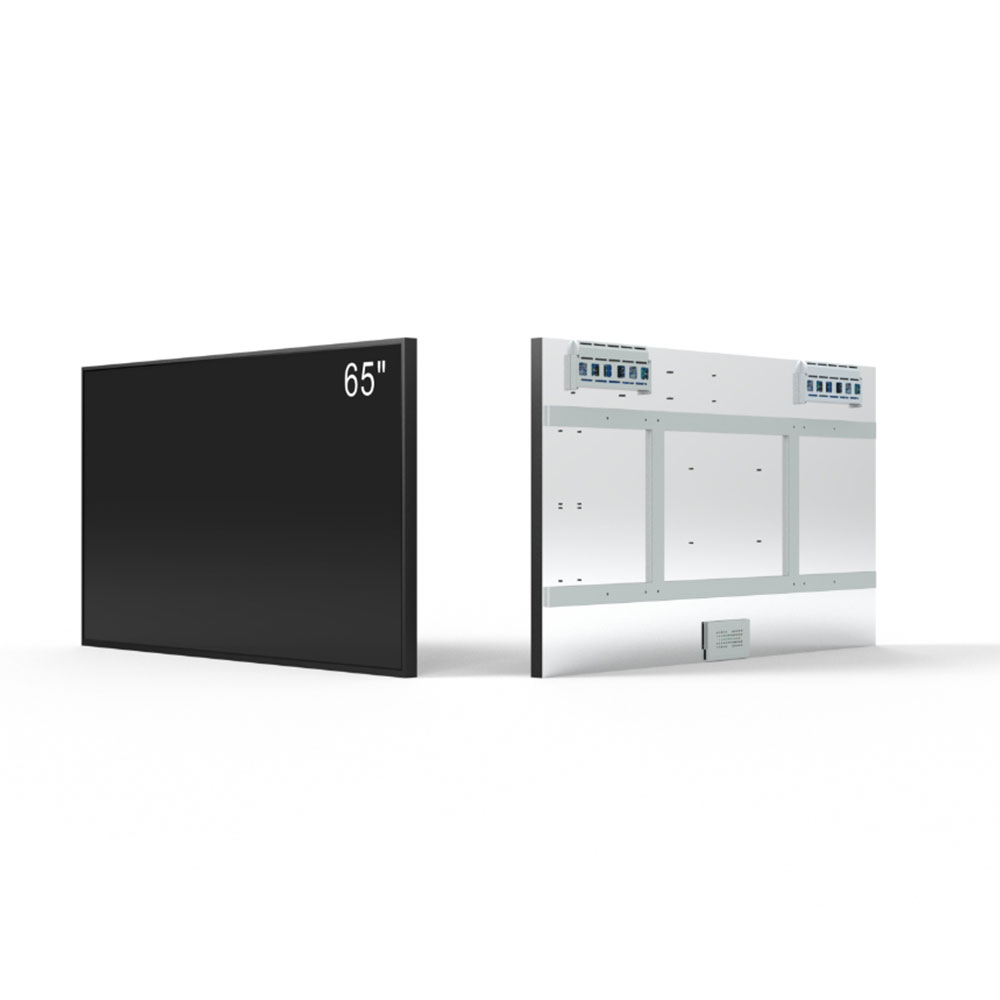
Strip LCD screens have become a critical component in industrial, military, and outdoor applications where visibility under harsh lighting conditions is essential. These displays are engineered to deliver high brightness levels—often exceeding 5,000 nits—to ensure legibility even under direct sunlight. The range of available sizes—from compact 14.1-inch models to massive 86-inch units—allows engineers and system integrators to tailor solutions to specific operational needs.
For example, the 19.5" and 21.2" models are commonly used in ruggedized control panels for transportation and logistics, while larger formats like the 48.3" and 58.4" are ideal for command centers, outdoor kiosks, and digital signage in public infrastructure. Each screen in this series undergoes rigorous testing per MIL-STD-810G for shock, vibration, and temperature extremes, ensuring reliability in demanding environments.
Key technical features include anti-glare coatings, wide viewing angles (typically ≥170°), and LED backlighting with enhanced power efficiency. Many models also support touch functionality, including glove-compatible capacitive or resistive touch overlays, making them suitable for use in cold climates or hazardous areas. For instance, the 28.6" and 37.6" variants are frequently deployed in solar energy monitoring systems due to their ability to maintain contrast ratios above 1000:1 at ambient light levels up to 100,000 lux—a benchmark defined by ISO 12341.
Manufacturers such as ELO Touch Solutions, LG Display, and Sharp provide certified sunlight-readable strip screens that meet IEC 60068 environmental standards. Integration into existing systems often involves RS-232/422 serial interfaces, HDMI inputs, and optional IP65-rated enclosures for dust and water resistance. This flexibility makes the strip screen series indispensable across industries like defense, agriculture, construction, and smart city infrastructure.
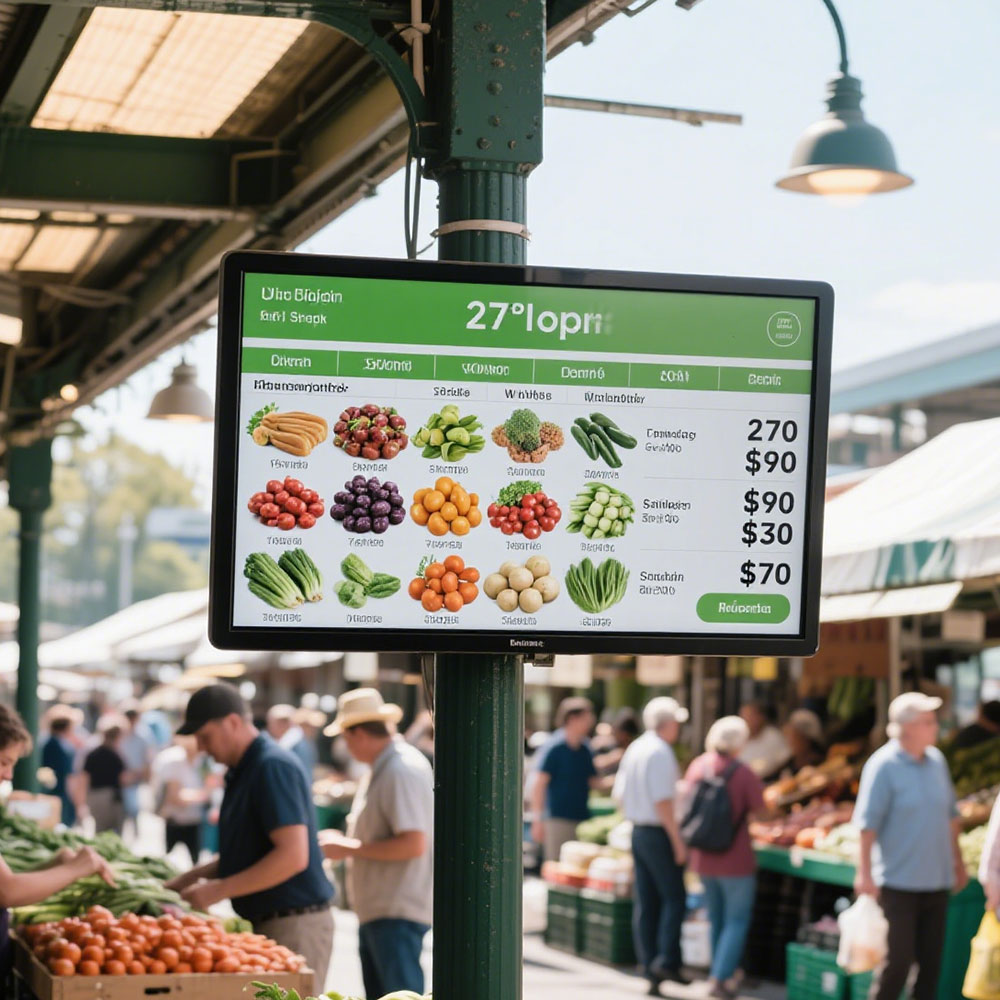
By selecting the appropriate size and brightness level—for example, choosing a 29.4" unit with 7,000 nits peak brightness for a vehicle-mounted display—the end-user ensures optimal performance regardless of environmental variables. As global demand for durable, readable displays grows, manufacturers continue to innovate through edge-to-edge glass laminates, low-power OLED alternatives, and AI-enhanced auto-brightness adjustment algorithms.