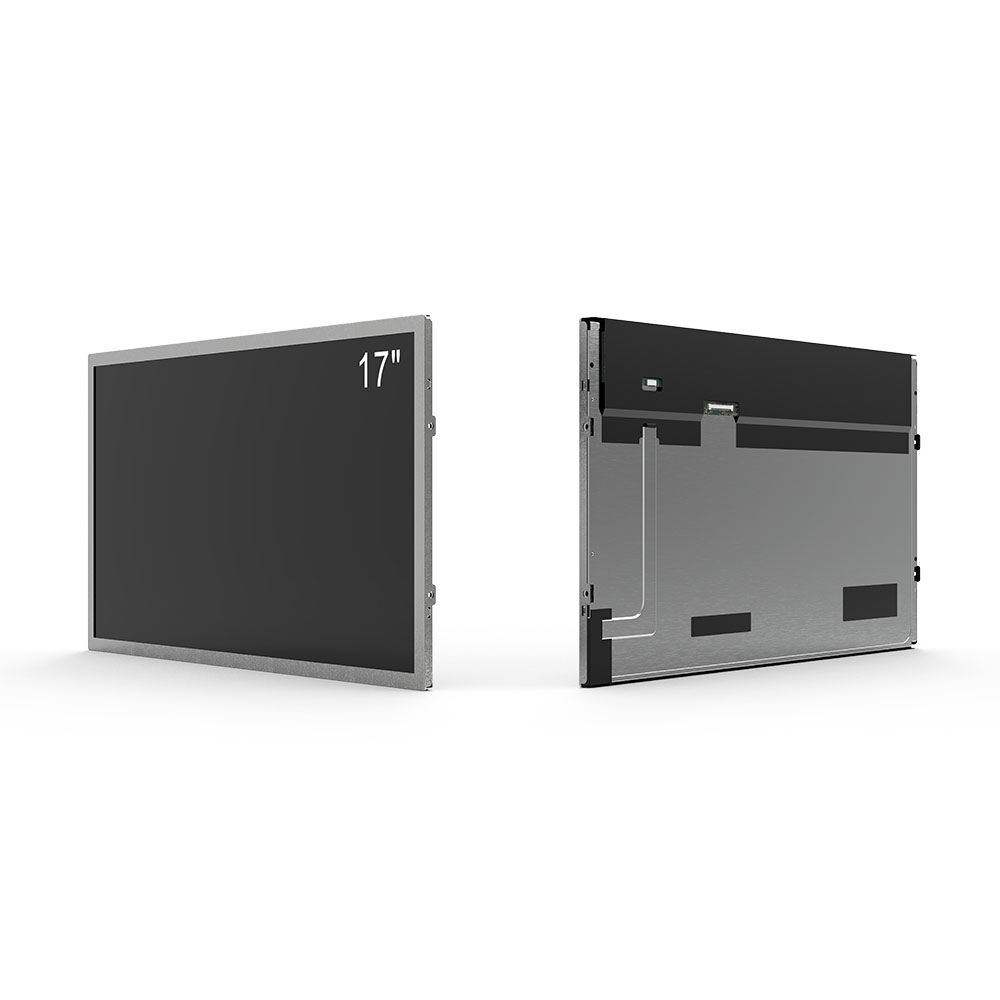
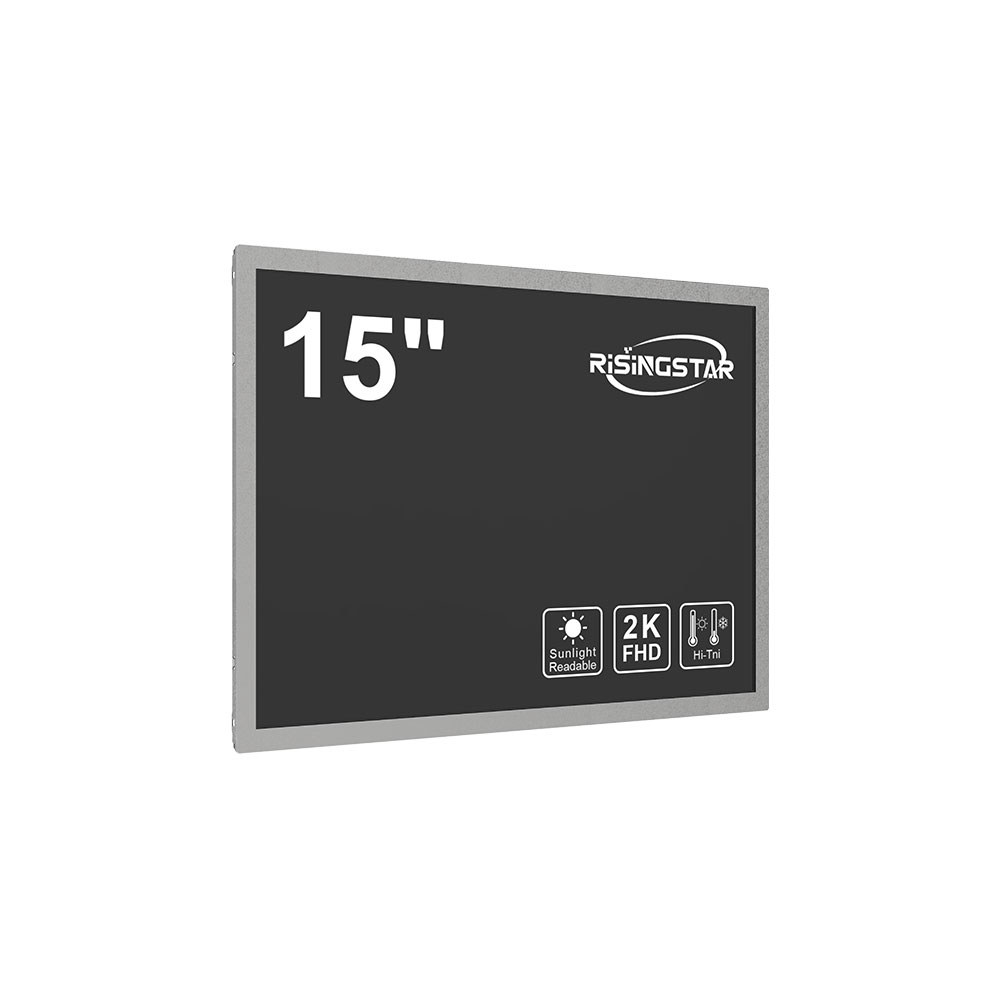
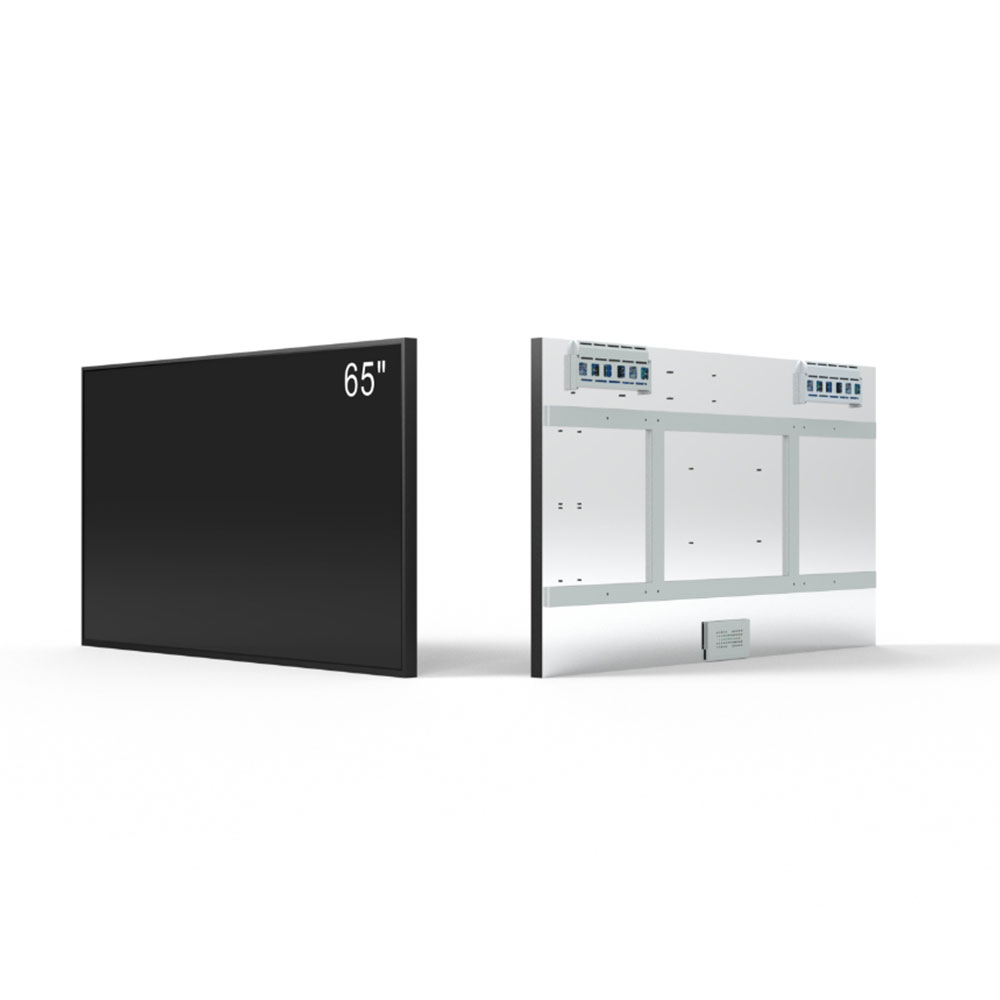
In today’s increasingly connected world, outdoor electronic displays must perform reliably under extreme conditions—from direct sunlight to freezing temperatures and high humidity. Sunlight readable LCDs are engineered specifically to maintain clarity and functionality in these demanding environments, making them indispensable for industries such as defense, transportation, utilities, and industrial automation.
A key metric in evaluating a sunlight readable display is its peak brightness, typically measured in nits (cd/m²). While standard indoor LCDs offer 250–400 nits, sunlight readable models often exceed 5,000 nits—some even reaching 10,000 nits—to ensure visibility under direct solar radiation. This is achieved through advanced backlighting technologies like LED arrays with high-efficiency drivers, optical bonding to reduce glare, and polarized filters that enhance contrast ratios.
Manufacturers also employ anti-reflective coatings and tempered glass to improve durability against physical damage, UV degradation, and moisture ingress. For instance, MIL-STD-810G compliance ensures ruggedness against shock, vibration, and temperature cycling—a must for military-grade applications. Additionally, wide viewing angles (typically 170° horizontal and vertical) and fast response times (<16ms) are critical for real-time data interaction in mobile or remote setups.
Case studies from the automotive and aerospace sectors confirm that sunlight readable LCDs significantly reduce operator fatigue and improve decision-making speed. In one field test conducted by a leading defense contractor, a 7,000-nit display enabled clear visibility during full-sun operations at 35°C ambient temperature—an improvement over traditional 300-nit screens that became unusable.
To optimize performance, system integrators should consider environmental factors such as ambient light levels, operating temperature range, and power consumption. Energy-efficient designs using low-power LEDs and adaptive brightness control further extend battery life in portable devices.
As global demand for reliable outdoor displays rises—from smart city infrastructure to agricultural IoT systems—sunlight readable LCD technology remains at the forefront of innovation. Adhering to international standards like ISO 9241-3 and IEC 60068 ensures consistency across regions and application types.
With continuous advancements in materials science and manufacturing precision, the future of sunlight readable LCDs lies in higher resolution (4K and beyond), better color accuracy, and seamless integration with AI-driven user interfaces. These enhancements will drive next-generation usability in the most challenging environments on Earth.