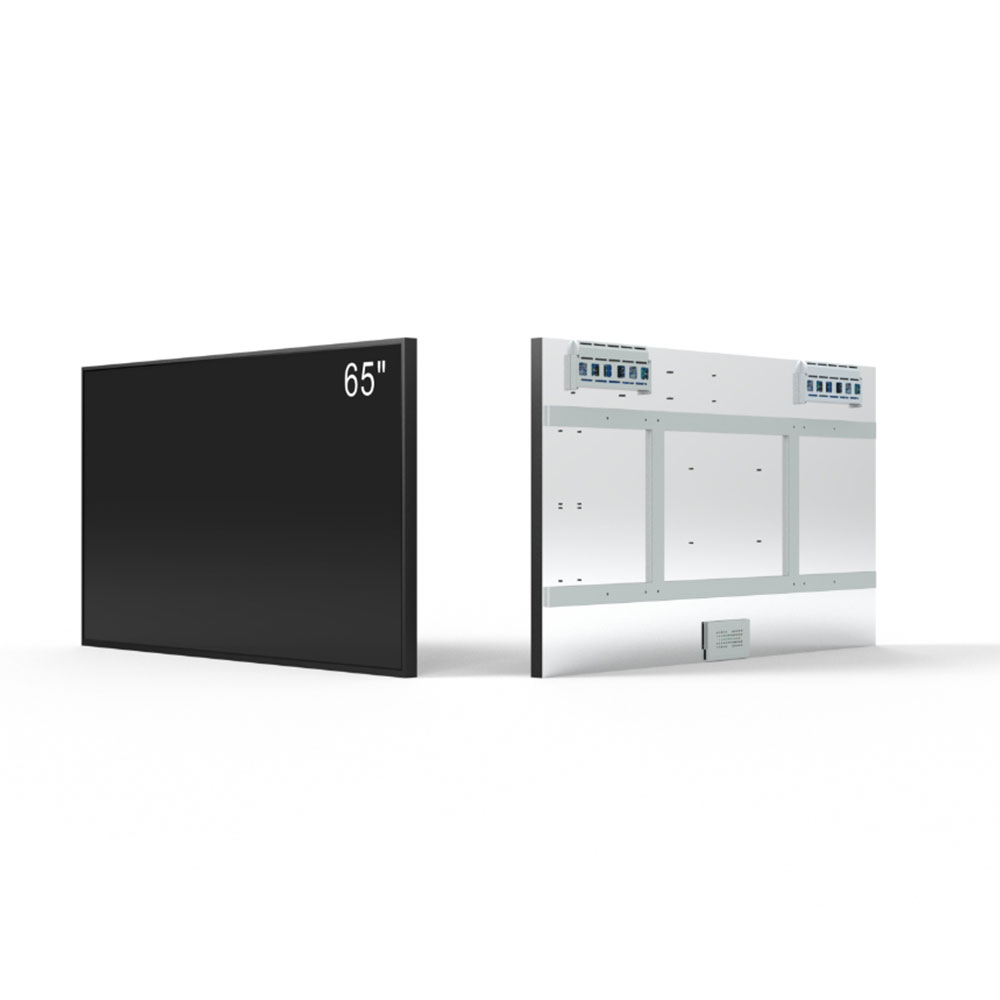
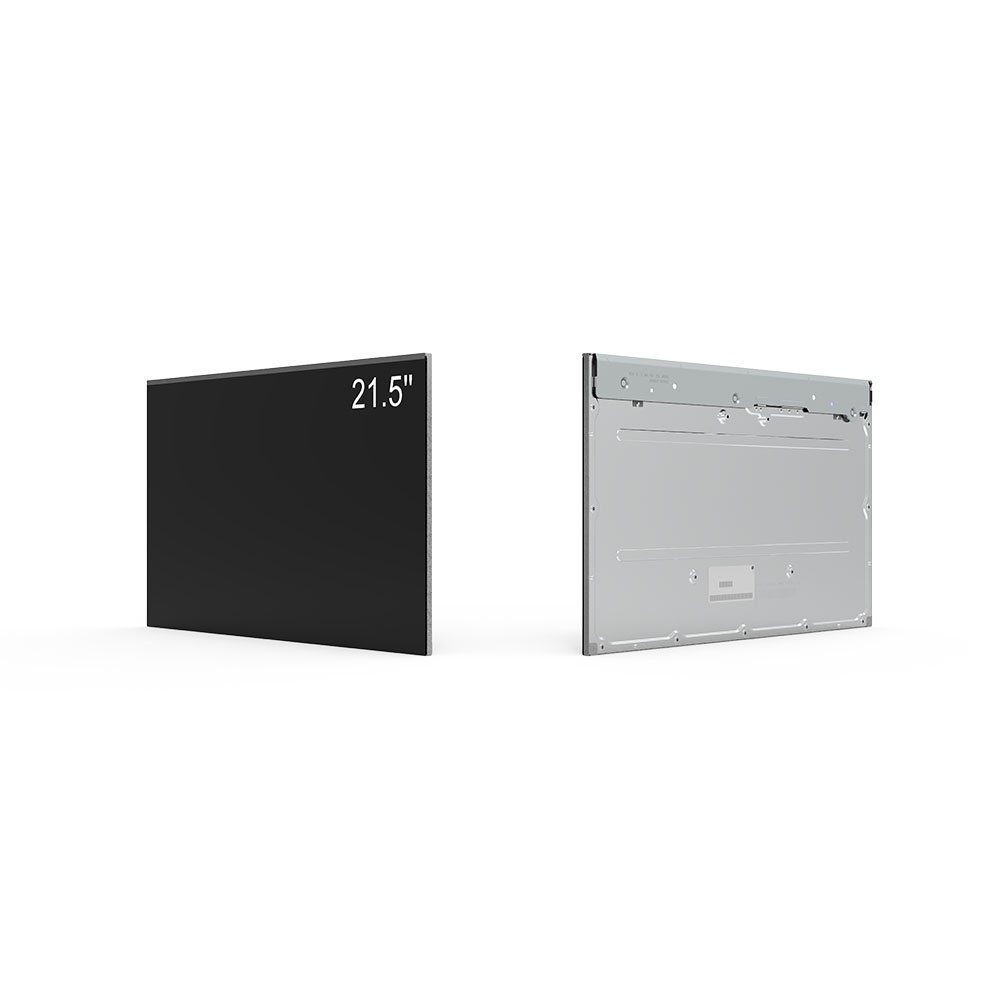
When designing outdoor electronic systems—such as kiosks, industrial control panels, or vehicle dashboards—the choice of display technology is critical. Among the most important considerations is ensuring that the screen remains legible under direct sunlight. A standard LCD screen may appear washed out or unusable in bright conditions, leading to safety risks, user frustration, and reduced operational efficiency.
Why High Brightness Matters in Outdoor Environments
Sunlight-readable displays must achieve a minimum brightness of 1000 nits (cd/m²) to remain visible under full sun exposure, according to MIL-STD-188-125 and ISO 9241-3 standards. Most indoor displays operate at 250–500 nits, which is insufficient outdoors. The ideal solution involves high-brightness LCDs with advanced anti-glare coatings, polarizers, and optimized backlighting technologies such as LED arrays with diffusion layers. These features reduce glare while maximizing luminance output.
Key Technical Specifications to Evaluate
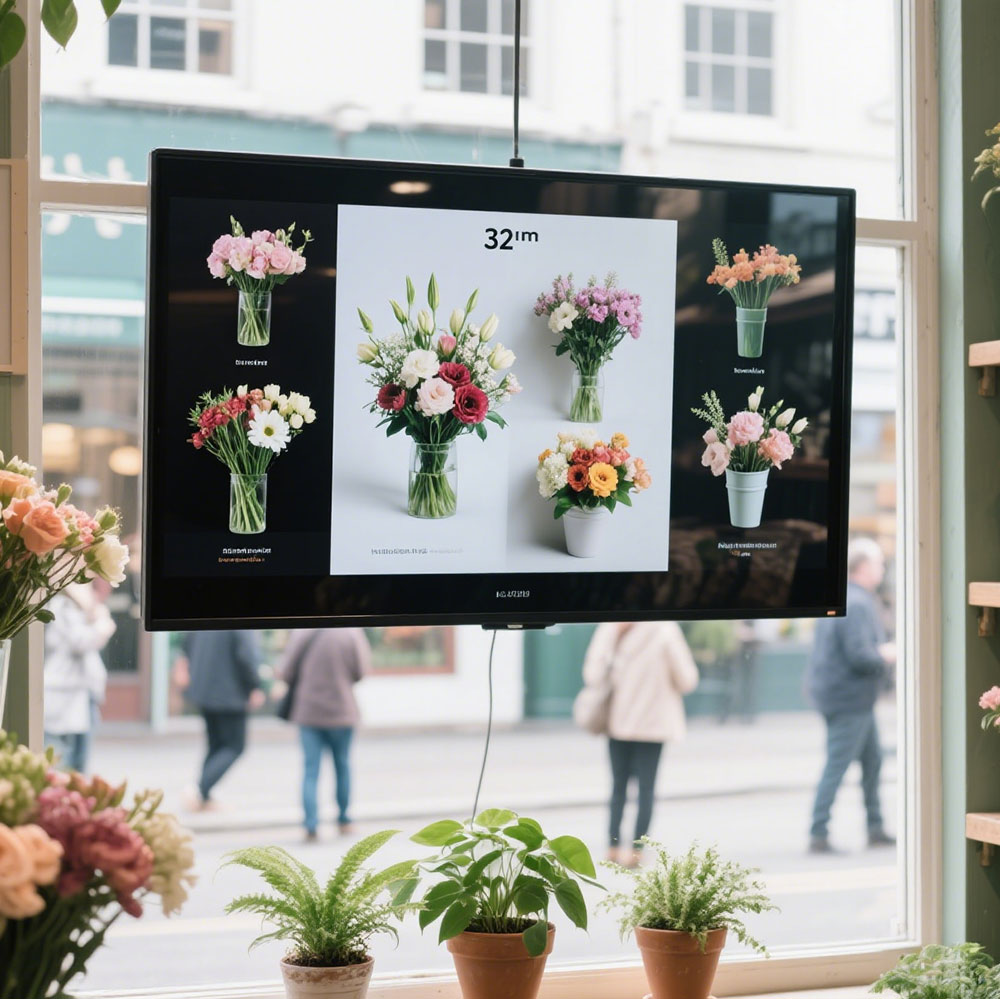
- Brightness (Nits): For reliable outdoor performance, aim for 1500–3000 nits depending on application. Military-grade devices often exceed 3000 nits.
- Contrast Ratio: A contrast ratio of at least 1000:1 ensures text clarity against bright backgrounds.
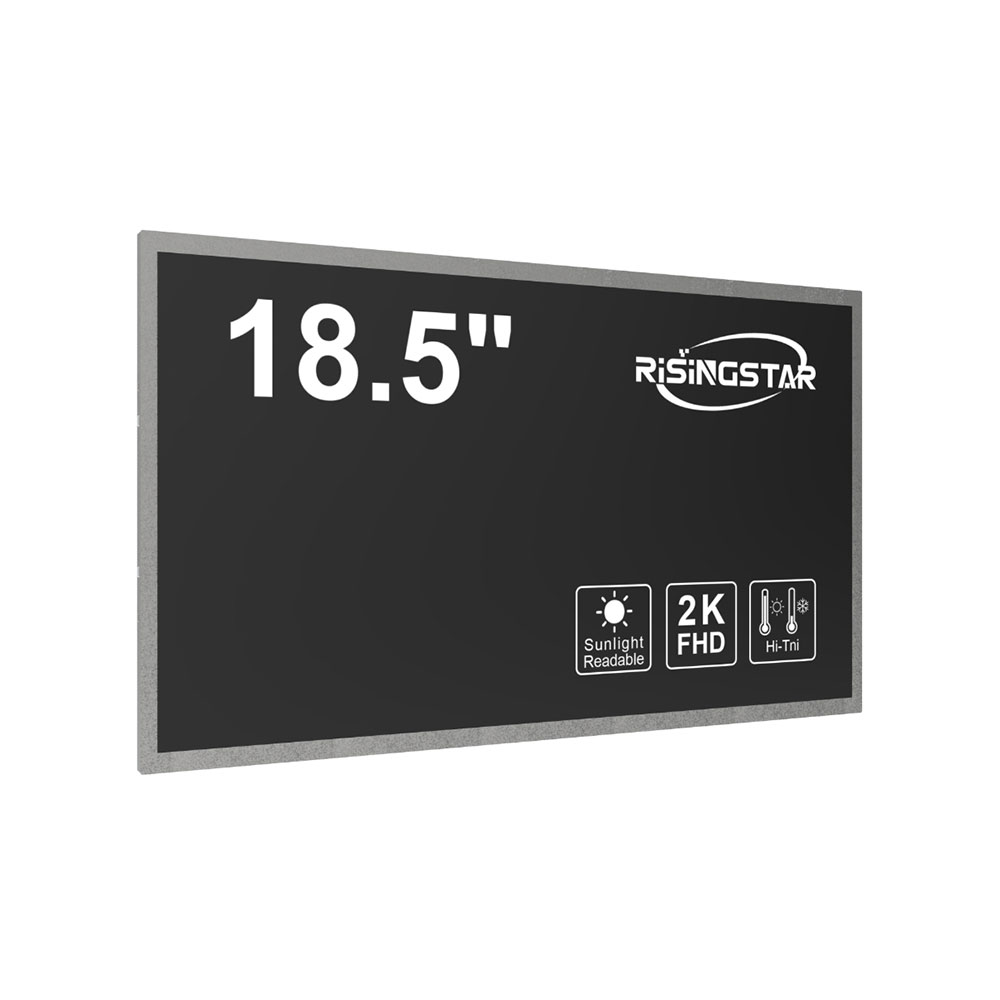
- Viewing Angles: Wide viewing angles (>170° horizontal/vertical) are essential for multi-user visibility.
- Environmental Durability: IP65 or higher rating for dust/water resistance, along with operating temperature ranges from -20°C to +70°C.
- Power Efficiency: Use of efficient LEDs and dynamic brightness control helps reduce power consumption without sacrificing visibility.
Real-World Applications and Case Studies
In a 2022 case study by Samsung Display, a construction site monitoring system using a 2200-nit LCD panel saw a 40% improvement in operator response time compared to traditional 500-nit screens. Similarly, a public transit kiosk deployed in Phoenix, Arizona, utilized a 2500-nit display with an anti-reflective coating, achieving 98% readability even at noon. These examples validate that proper selection directly impacts usability and safety.
Common Mistakes to Avoid
Many engineers mistakenly assume all "high-brightness" displays are equal. Some manufacturers advertise brightness figures without specifying measurement methods (e.g., peak vs. average). Always request ANSI-compliant test reports. Also, neglecting thermal management can cause premature failure—even if brightness is adequate. Ensure the display includes passive cooling mechanisms like aluminum heat sinks or active fan solutions.
For mission-critical outdoor deployments, choosing a certified, sunlight-readable high-brightness LCD is not optional—it’s a necessity. Partner with suppliers who offer real-world testing data, compliance with international standards (like EN 60068 or MIL-STD-810), and robust technical support.