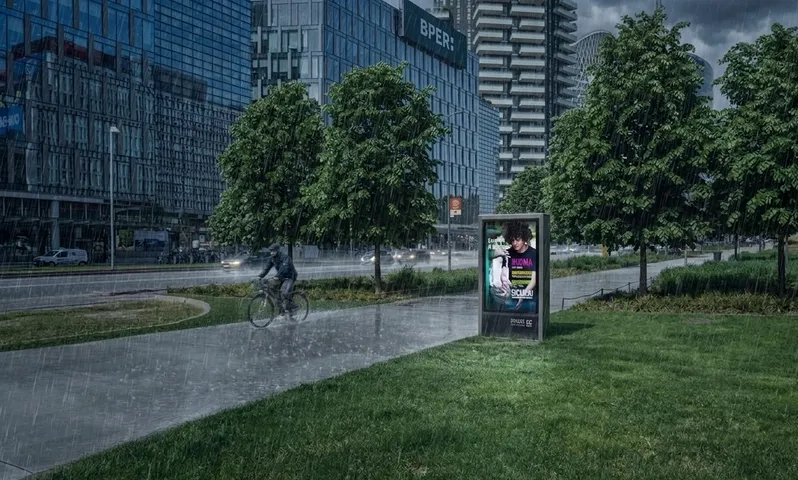







High-brightness, sunlight-readable LCD displays are essential for modern outdoor and transportation environments where visibility under direct sunlight is critical. These displays are engineered to maintain clarity and color accuracy even in intense lighting conditions—such as midday sun on a bus stop or a gas pump in an open lot—ensuring users can read vital information without squinting or needing to move into shade.
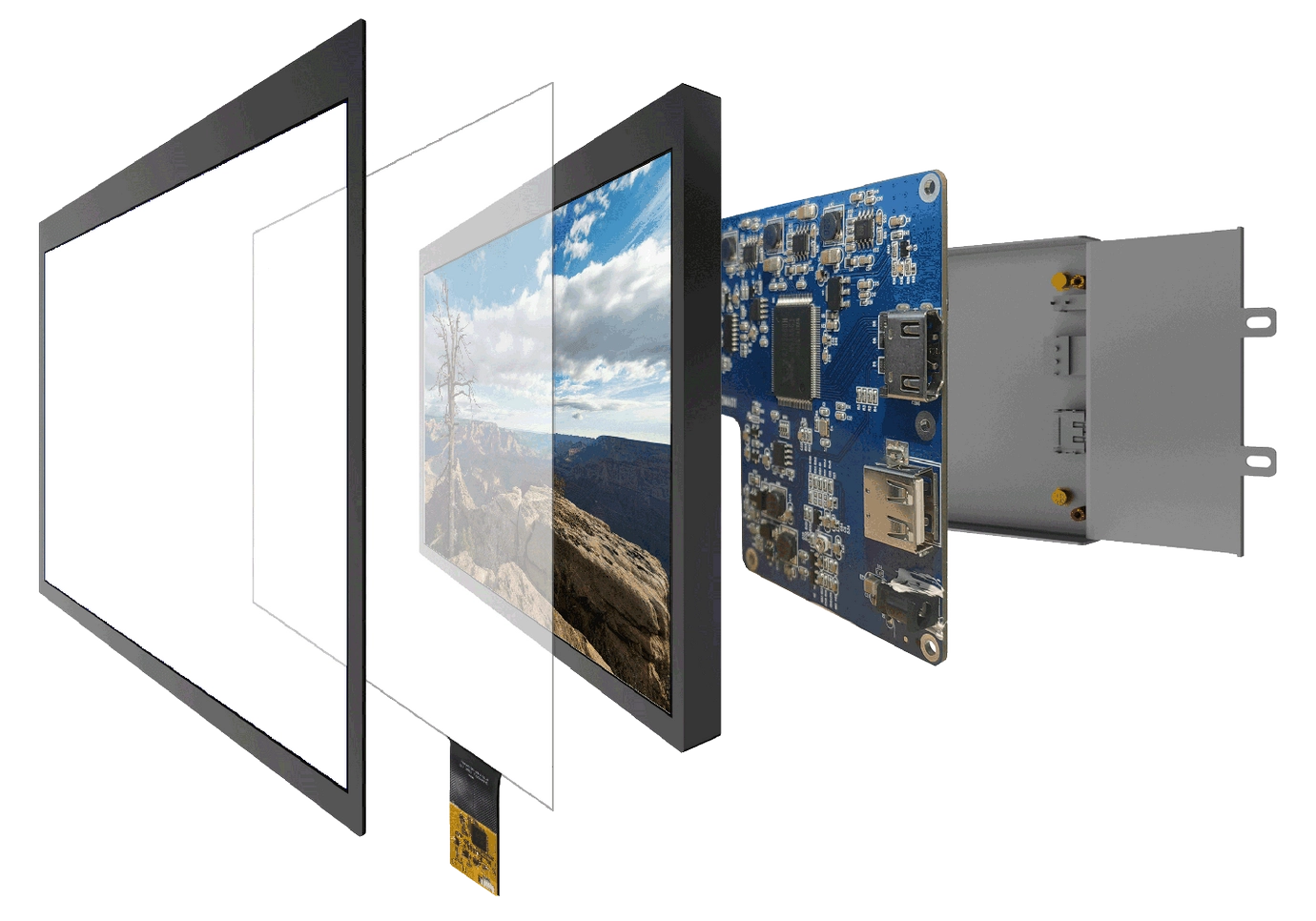
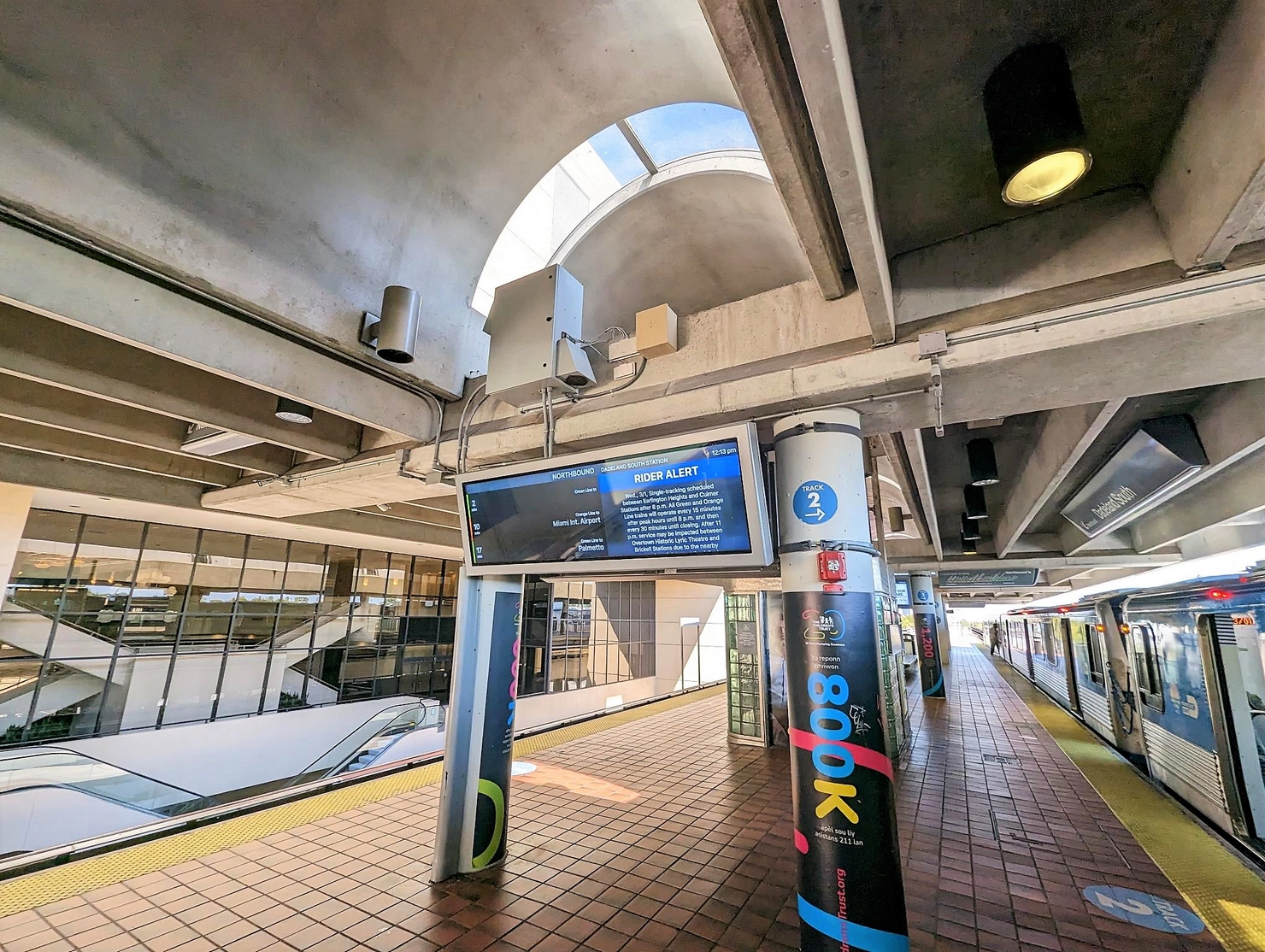
Industry standards like ISO 16750 and EN 50121 define the environmental robustness required for displays used in railway, bus, and subway systems, where vibration, temperature extremes, and humidity must be accounted for. Sunlight-readable panels typically achieve brightness levels of 3,000 to 5,000 nits—up to 10x brighter than standard indoor displays—and use advanced technologies such as high-luminance LED backlights, anti-glare coatings, and optimized contrast ratios. For example, in intercity rail systems, these screens provide real-time departure times, route maps, and emergency alerts with reliable performance across varying weather conditions.
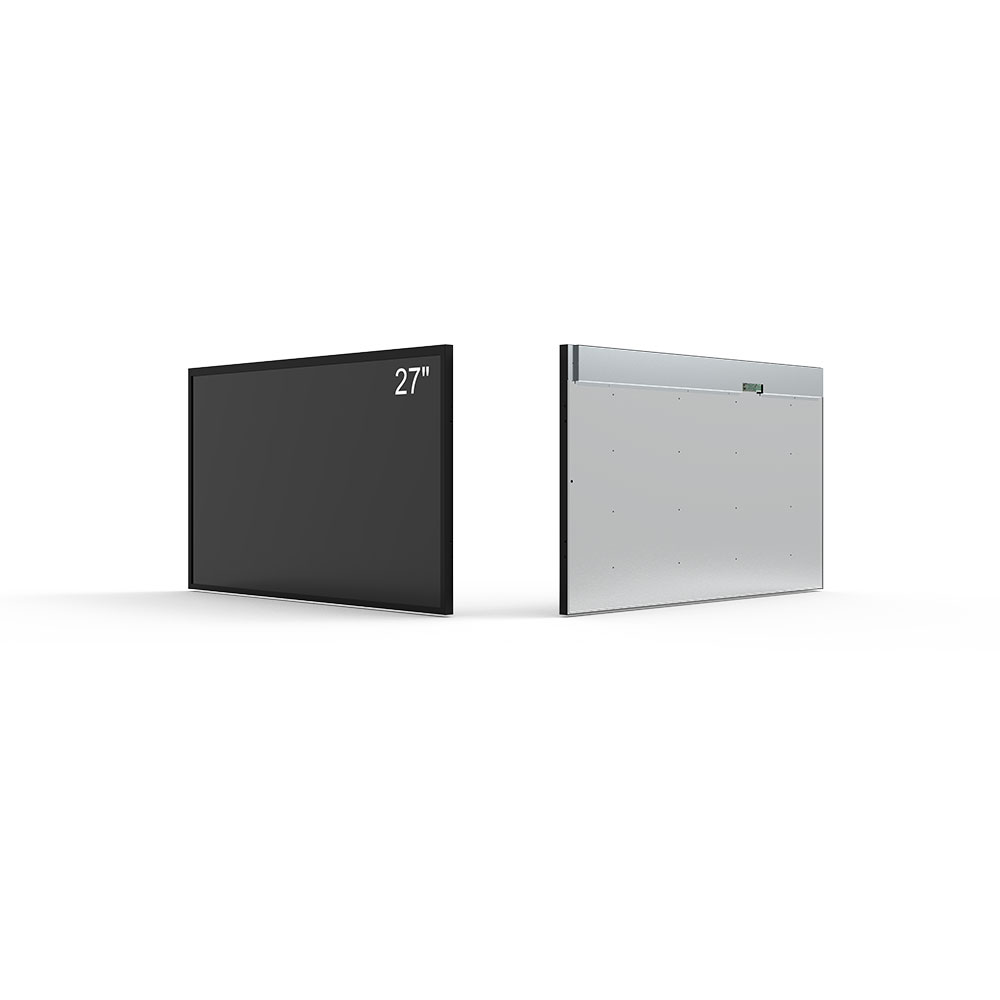
In EV charging kiosks and gas pumps, high-brightness displays ensure that drivers can quickly and safely access payment options, charging status, and fuel prices—even under direct sunlight. Retail and real estate digital signage benefit from this technology by delivering dynamic content in shopping malls, storefronts, and property showrooms, increasing engagement and reducing downtime caused by screen unreadability. Outdoor TVs for stadiums, airports, and public plazas also rely on these displays to deliver crisp visuals during daytime broadcasts and live events.
Manufacturers leverage industrial-grade components—including wide viewing angles (178°), IP65/67 ingress protection, and ruggedized housings—to meet the demands of constant outdoor exposure. Case studies from major transit authorities, such as London Underground and Tokyo Metro, show up to 40% reduction in maintenance costs due to higher display durability and reduced failure rates. By integrating sunlight-readable LCDs, organizations not only enhance user experience but also comply with international safety and accessibility regulations like EN 301 549 and ADA compliance.
These displays are no longer just a luxury—they’re a necessity in today’s connected world, where clear, immediate communication can mean the difference between efficiency and frustration. Whether it's guiding passengers through a crowded station or informing drivers at an EV charger, sunlight-readable high-brightness LCDs are the invisible backbone of smart infrastructure.