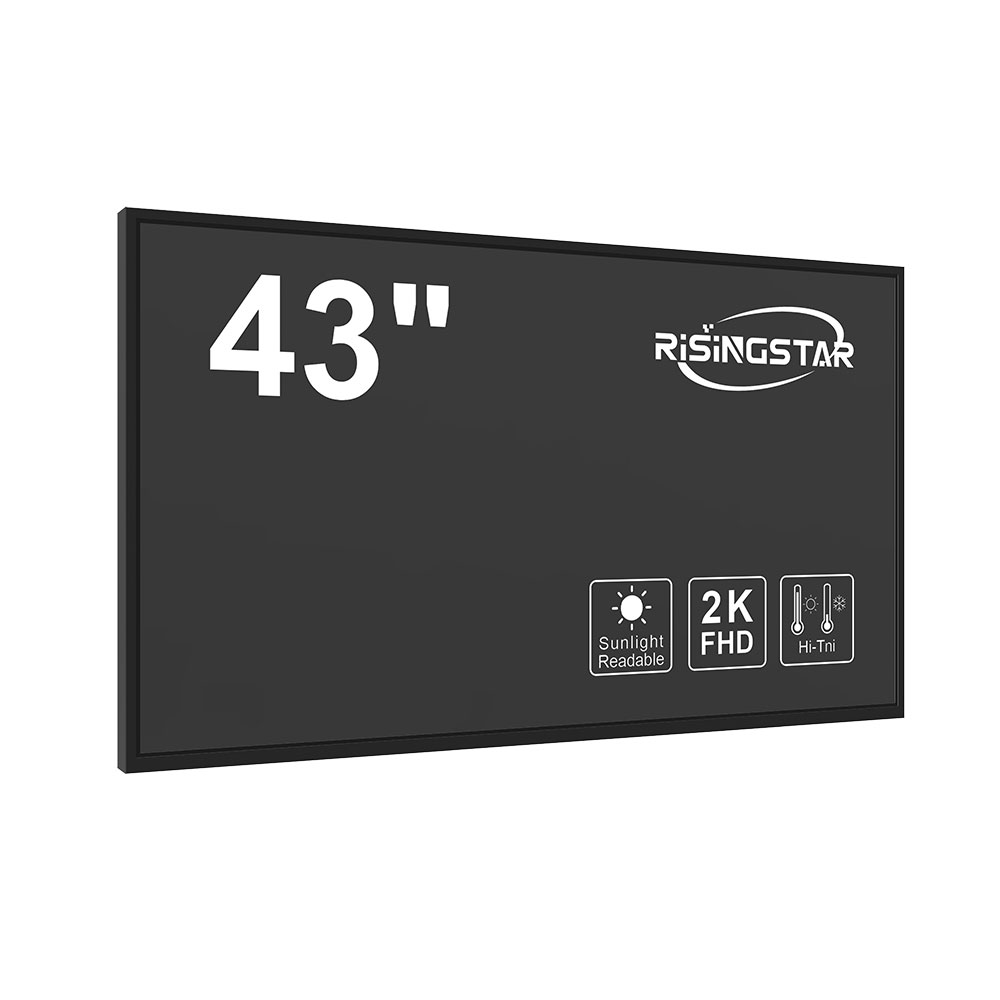
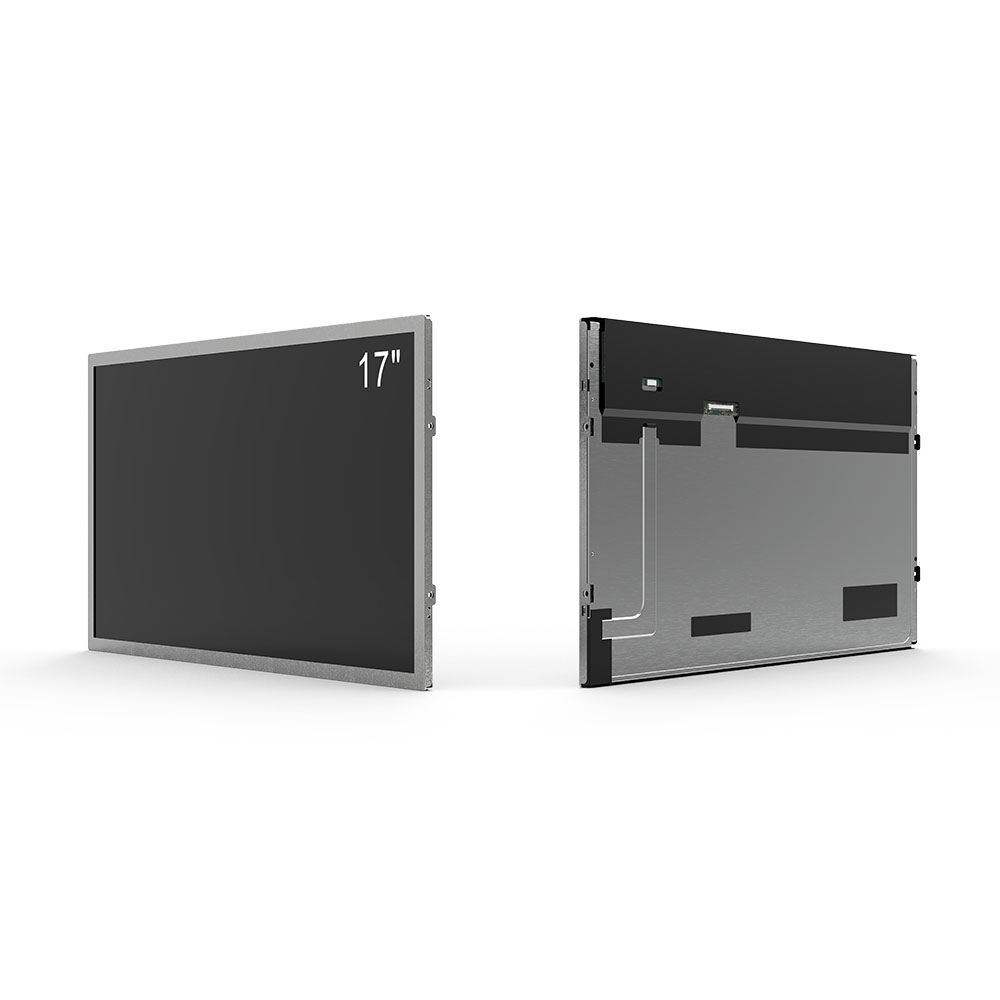
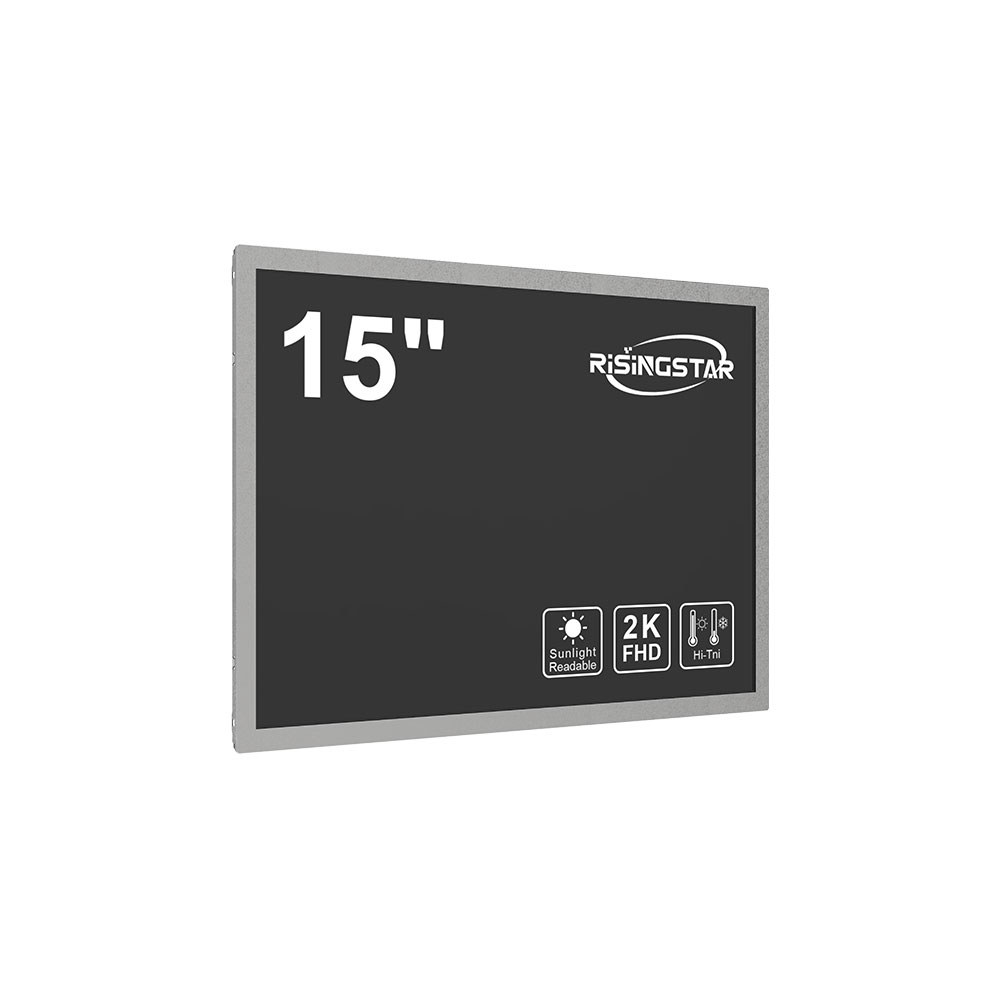
In the realm of industrial and outdoor electronics, the demand for reliable, sunlight-readable, high-brightness LCD displays has never been higher. One critical factor that determines a display’s suitability for harsh environments is its ingress protection (IP) rating—specifically, IP66. This standard, defined by the International Electrotechnical Commission (IEC 60529), ensures that a device is dust-tight and protected against powerful water jets.
For engineers designing or selecting displays for applications such as construction equipment, marine navigation systems, or solar monitoring panels, understanding IP66 waterproofing is essential. An IP66-rated display must withstand total dust ingress prevention (as per IP6X) and be able to endure water projected from a nozzle at a pressure of 100 kPa (about 14.5 psi) from any direction (as per IPX6). This means it can handle heavy rain, hose-down cleaning, or even accidental submersion in shallow water—a crucial feature for field-deployed devices.
Manufacturers achieve this level of protection through rigorous design practices. Key components include sealed enclosures made from aluminum or polycarbonate, gasketed seams using silicone or EPDM rubber, and conformal coatings on internal circuit boards. In addition, modern high-brightness LCDs often use backlight diffusers and anti-glare coatings optimized for direct sunlight readability—even under 10,000 lux conditions—while maintaining thermal stability in temperatures ranging from -20°C to +70°C.
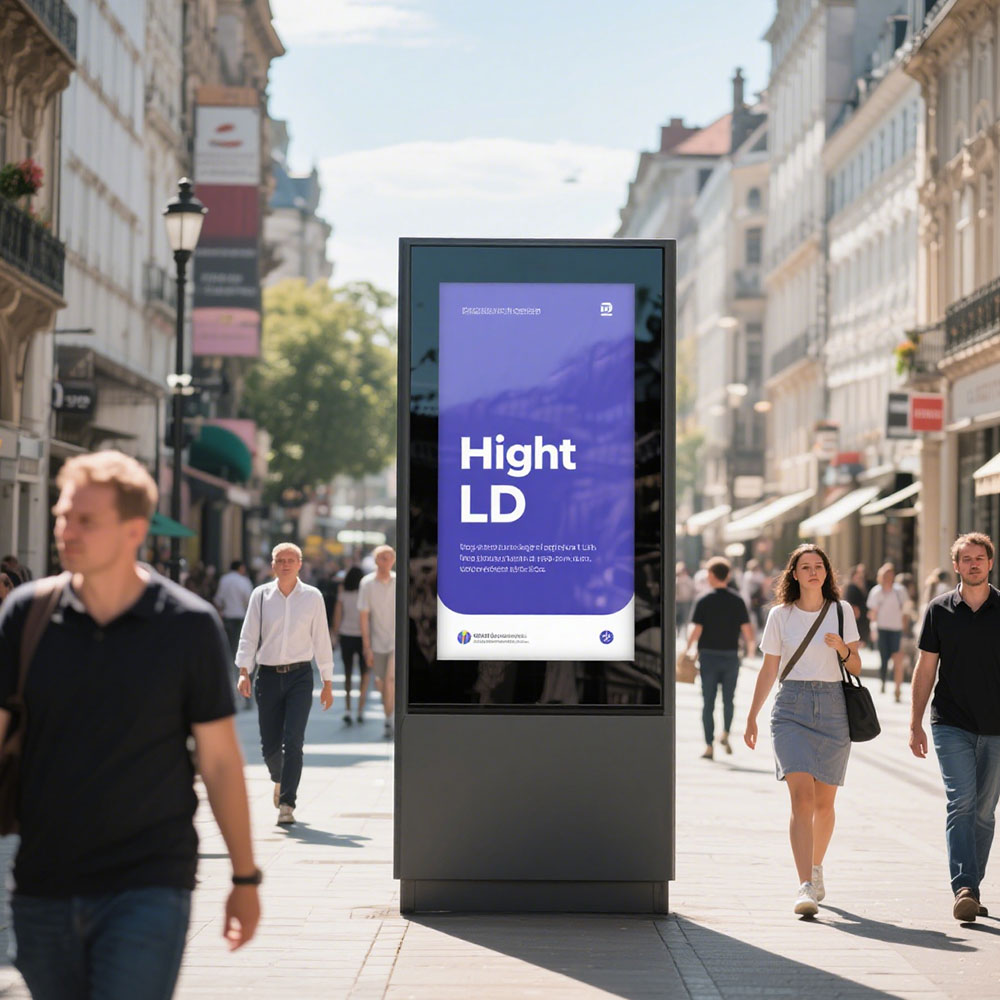
Real-world testing validates performance. For example, military-grade LCDs used in tactical vehicles are tested in environmental chambers simulating desert dust storms and saltwater spray exposure. Similarly, industrial touchscreens deployed in food processing plants undergo frequent washdown cycles; IP66 compliance ensures they remain functional after repeated high-pressure cleaning.
Compliance with IP66 also aligns with global standards like MIL-STD-810G and ISO 16750, which are often required in automotive, aerospace, and defense sectors. These certifications not only ensure durability but also reduce maintenance costs and downtime—key metrics for ROI in industrial operations.
As smart manufacturing and IoT grow, the integration of IP66 waterproof LCDs into edge computing devices, automated guided vehicles (AGVs), and remote asset monitoring systems becomes more critical. With increasing demand for ruggedized displays that perform reliably in extreme conditions, IP66 remains a benchmark—not just a rating—for robustness and trustworthiness.