
IP66 Waterproof LCD Displays for Industrial and Outdoor Applications
In today’s technology-driven world, the demand for durable and reliable display solutions has surged—especially in harsh environments such as manufacturing plants, outdoor signage, marine equipment, and automotive systems. Among the most sought-after specifications is IP66 waterproof rating, which ensures that electronic devices are protected against powerful water jets and complete dust ingress.
An IP66-rated LCD display combines two critical protection levels:
- IP6X – Dust-tight: No ingress of dust; complete protection against contact.
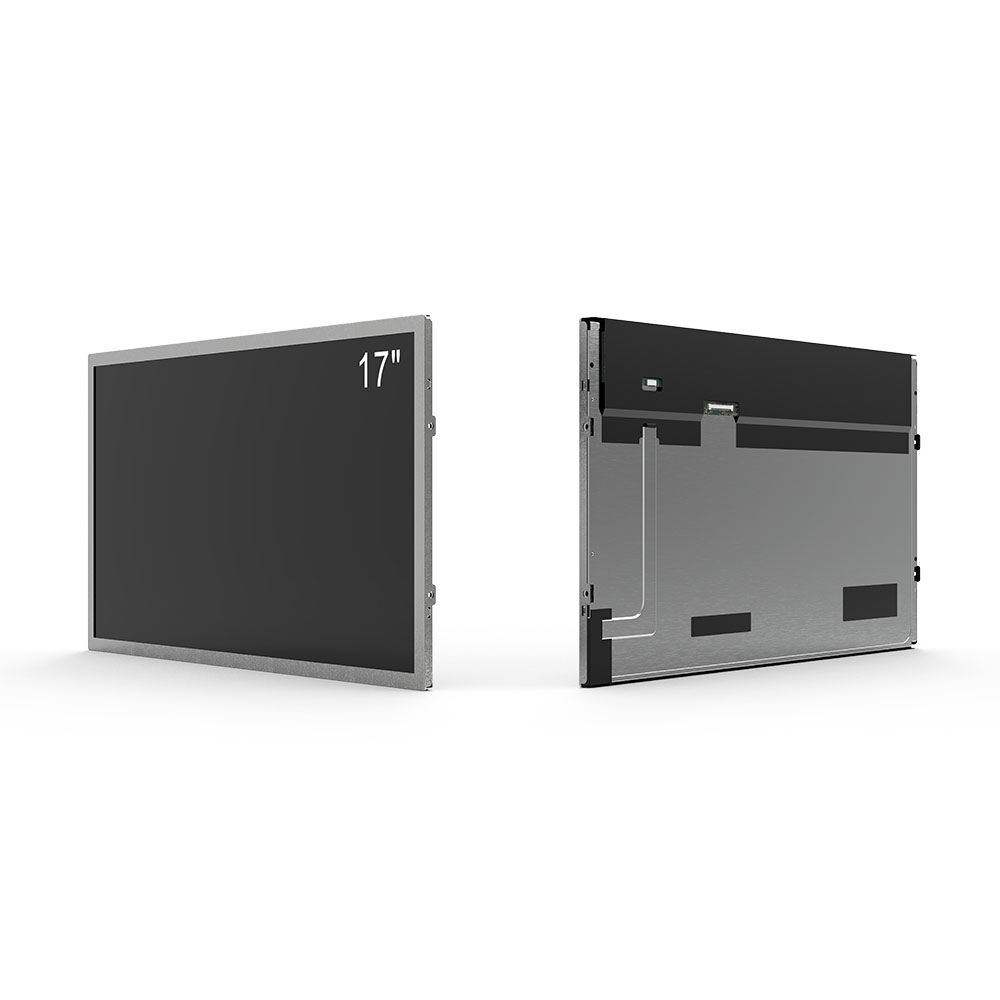
- IP66 – Water jet resistance: Protected against water projected from a nozzle (6.3 mm) at a pressure of 100 kPa for 3 minutes from any direction.
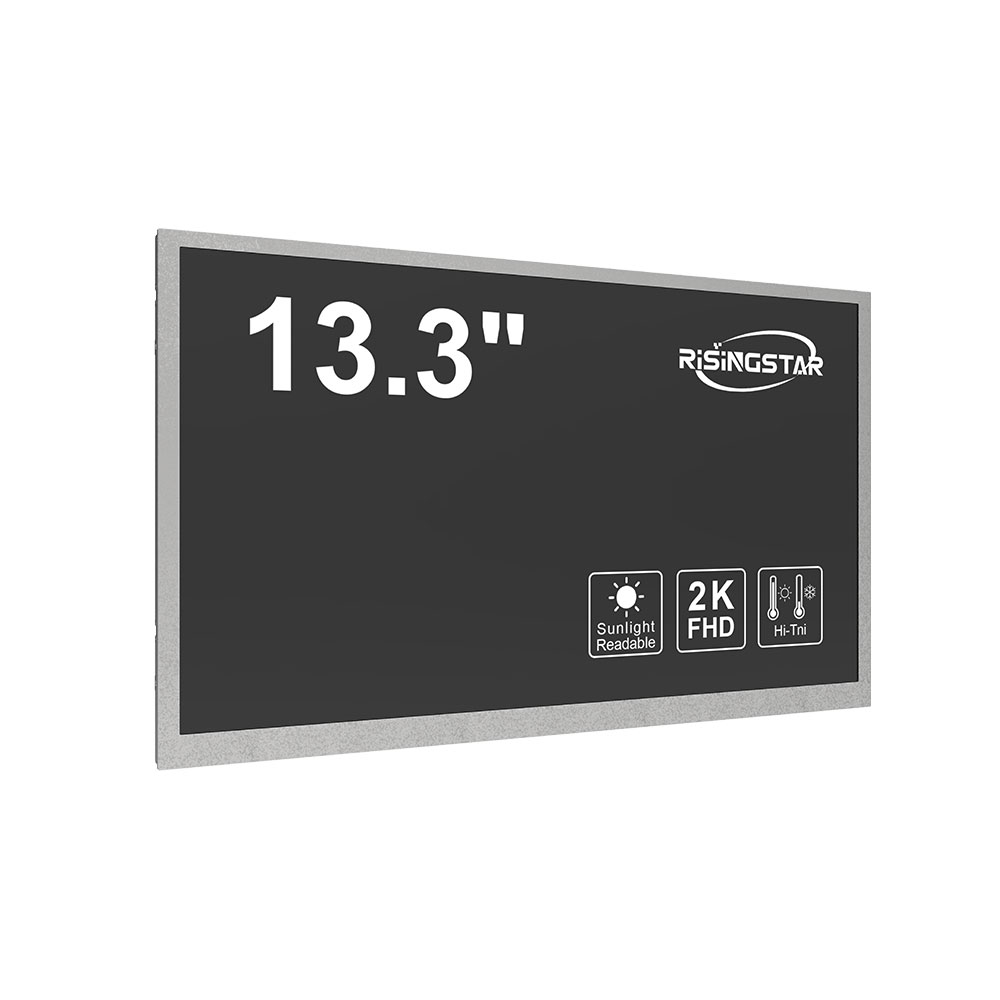
These displays are ideal for applications where exposure to moisture, dust, or mechanical impact is common. For example, industrial control panels often use IP66 LCDs because they can withstand cleaning with high-pressure hoses or accidental spills without damage. Similarly, outdoor digital signage in airports, construction sites, or public transport systems relies on IP66-rated screens to maintain functionality under rain, wind, or temperature fluctuations.
Manufacturers like LG, Sharp, and BOE have developed ruggedized LCD modules compliant with IEC 60529 standards for IP66 certification. These modules typically feature sealed bezels, anti-glare coatings, and reinforced glass or polycarbonate covers. Some models also integrate touch technology—such as capacitive or resistive touchscreens—that retain responsiveness even when exposed to wet conditions.
A key advantage of IP66 LCDs is their longevity. Unlike standard displays that degrade quickly in humid or dusty settings, IP66 units maintain performance over years of continuous operation. Field studies conducted by the International Electrotechnical Commission (IEC) show that IP66-rated displays outperform non-rated counterparts by up to 40% in reliability metrics under environmental stress tests.
Moreover, these displays are energy-efficient and support wide operating temperatures—from -20°C to +70°C—making them suitable for both Arctic monitoring stations and desert-based solar farms. Many models also include built-in brightness sensors and auto-dimming features, enhancing usability in varying lighting conditions while reducing power consumption.
For businesses deploying IoT-enabled devices or edge computing solutions, choosing an IP66-rated LCD ensures compliance with global industrial standards (e.g., EN 60529, MIL-STD-810), minimizing downtime and maintenance costs. Whether it’s a handheld diagnostic tool used in oil rigs or a fleet management system in delivery trucks, IP66 waterproofing offers peace of mind in mission-critical scenarios.
As the industrial IoT market grows—projected to exceed $120 billion by 2027 (Statista, 2024)—the role of robust, waterproof display technology will only increase. Investing in IP66 LCDs isn’t just about meeting current needs—it’s about future-proofing operations in unpredictable environments.
上一篇:Benefits of IPS Panels for Display Performance and Image Quality
下一篇:How to Choose the Right LCD Panel for Your Display Application