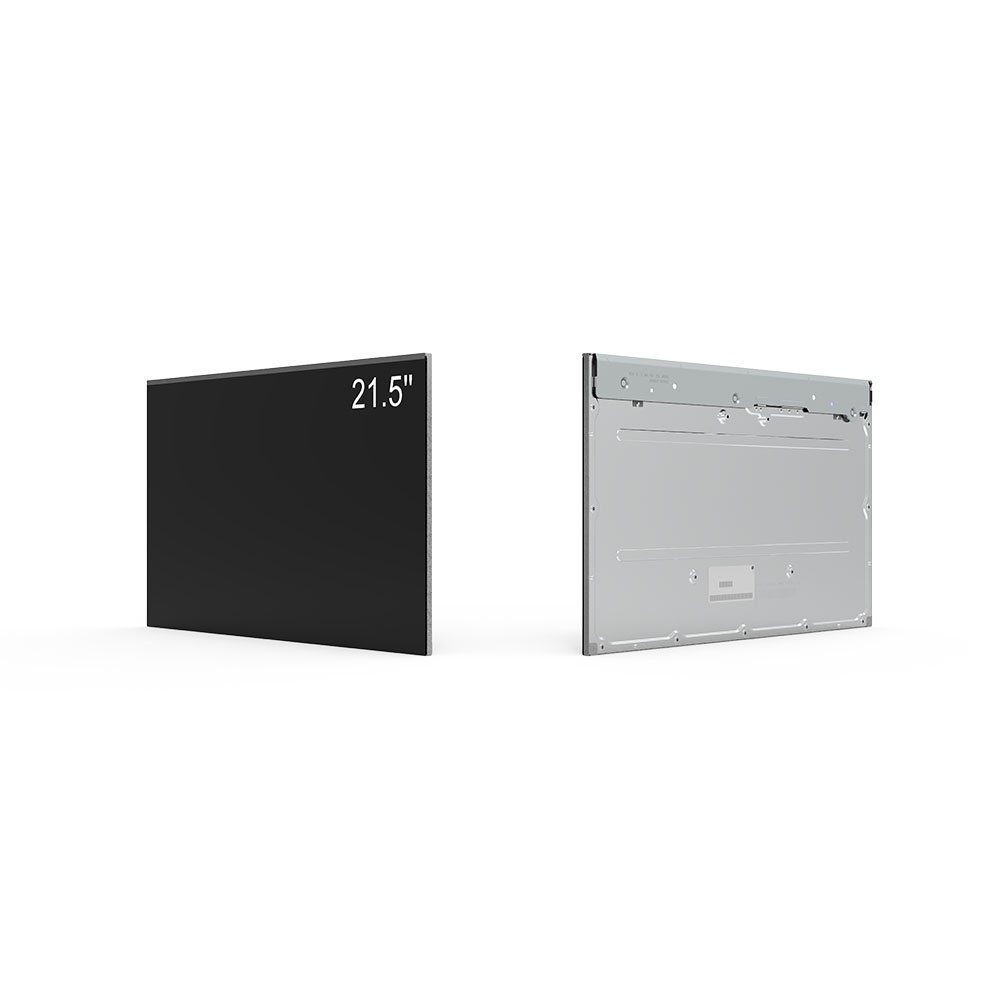
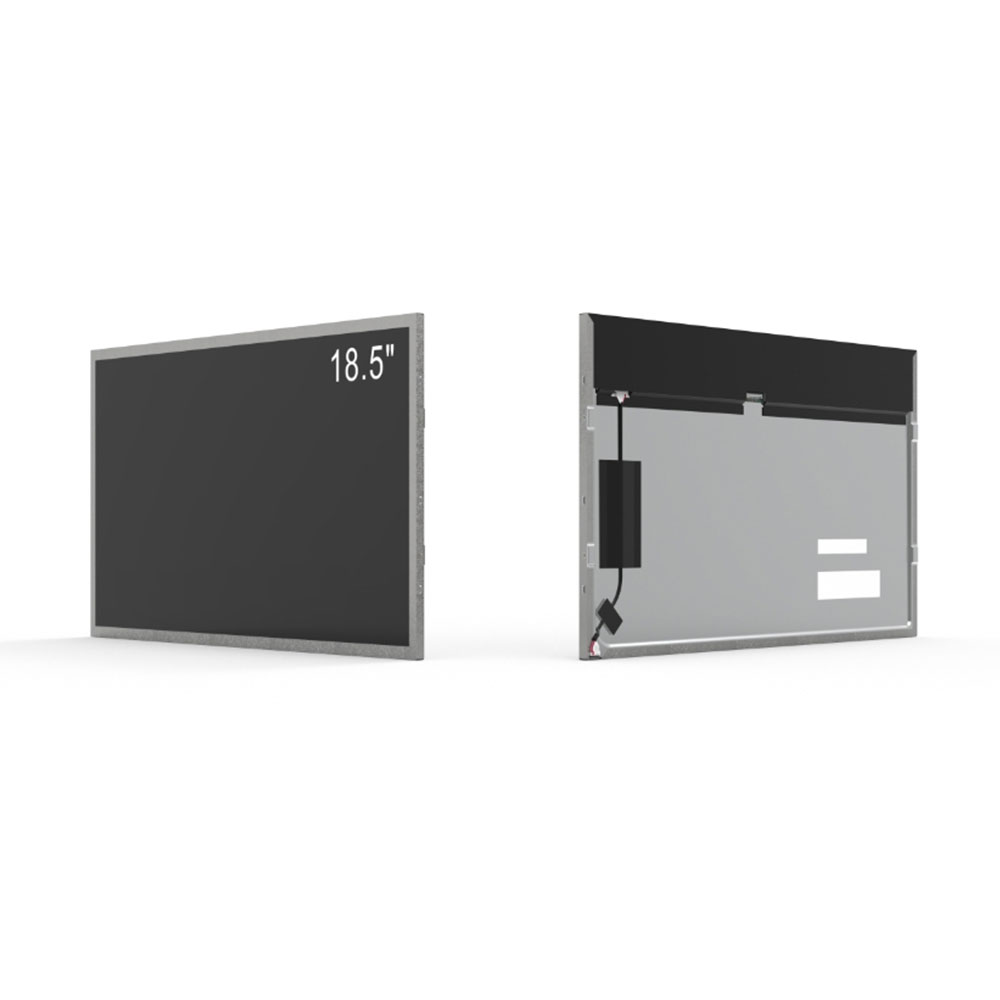
In the rapidly evolving world of display technology, two terms frequently dominate discussions—IPS and TFT LCD. While both are forms of liquid crystal display (LCD) technology, they differ significantly in performance, viewing angles, color accuracy, and application suitability. Understanding these differences is essential for consumers, engineers, and product designers seeking optimal display solutions for smartphones, monitors, automotive dashboards, and industrial equipment.
TFT LCD (Thin-Film Transistor Liquid Crystal Display) was the dominant display technology for over a decade. It uses a grid of thin-film transistors to control each pixel’s brightness, enabling sharper images and faster response times than older passive-matrix LCDs. However, TFT LCDs suffer from limited viewing angles—colors and contrast degrade significantly when viewed off-axis. This limitation makes them less ideal for applications where multiple users need to view the screen simultaneously or where the device may be tilted during use.
IPS (In-Plane Switching), introduced by Hitachi in the late 1990s and now widely adopted by manufacturers like LG, Samsung, and AU Optronics, addresses these shortcomings. In an IPS panel, the liquid crystals align parallel to the glass substrate, allowing light to pass more uniformly across the entire screen. This results in superior color consistency, wider viewing angles (often up to 178°), and improved image quality even at extreme angles. IPS panels are also known for better color reproduction, making them the preferred choice for graphic design, medical imaging, and high-end consumer electronics.
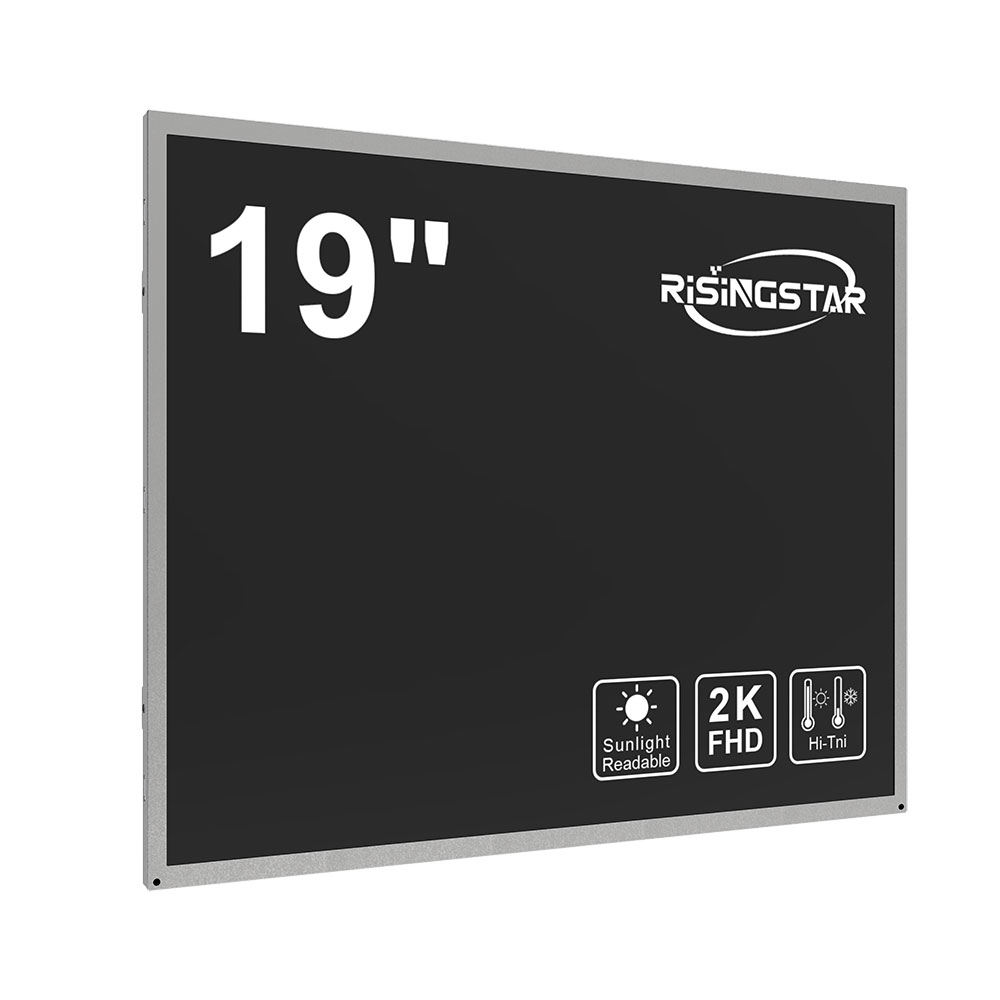
From a technical standpoint, IPS panels typically have higher power consumption compared to standard TFT LCDs due to their complex pixel structure and increased voltage requirements. However, modern IPS implementations—including low-power variants like IPS-LCD with LED backlighting—have significantly reduced this gap. Moreover, advancements in manufacturing processes have made IPS displays more affordable and accessible, especially in mid-range smartphones and tablets.
In practical applications, IPS dominates in devices where visual fidelity matters most. For example, Apple’s iPad Pro and many premium Android tablets utilize IPS panels for their vibrant colors and consistent brightness. On the other hand, budget smartphones and portable gaming devices often use TN (Twisted Nematic) or basic TFT LCDs due to cost constraints—even though they sacrifice image quality under certain viewing conditions.
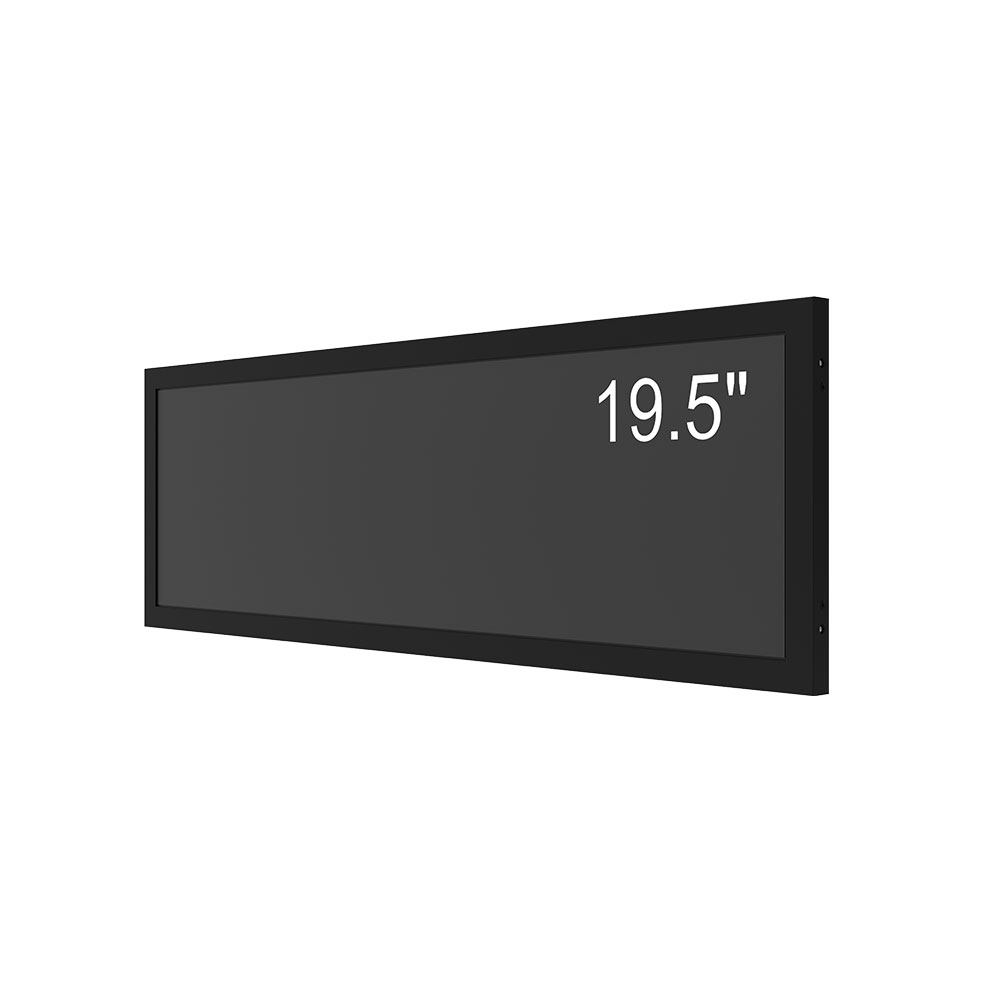
Environmental durability also plays a role. IPS panels tend to maintain stable performance across temperature ranges, which is crucial for industrial and automotive applications such as car infotainment systems or factory control panels. Studies conducted by the Society for Information Display (SID) confirm that IPS panels retain 95% of their color accuracy after 10,000 hours of continuous operation, outperforming most TFT alternatives.
Ultimately, the choice between IPS and TFT LCD hinges on use case priorities. If color accuracy, wide viewing angles, and long-term reliability are critical, IPS is the clear winner. For cost-sensitive projects where these factors are secondary, standard TFT LCD remains a viable option. As display technologies continue to evolve—with OLED and microLED emerging—understanding the fundamentals of IPS and TFT LCD ensures smarter, more informed decisions for both personal and professional device selection.