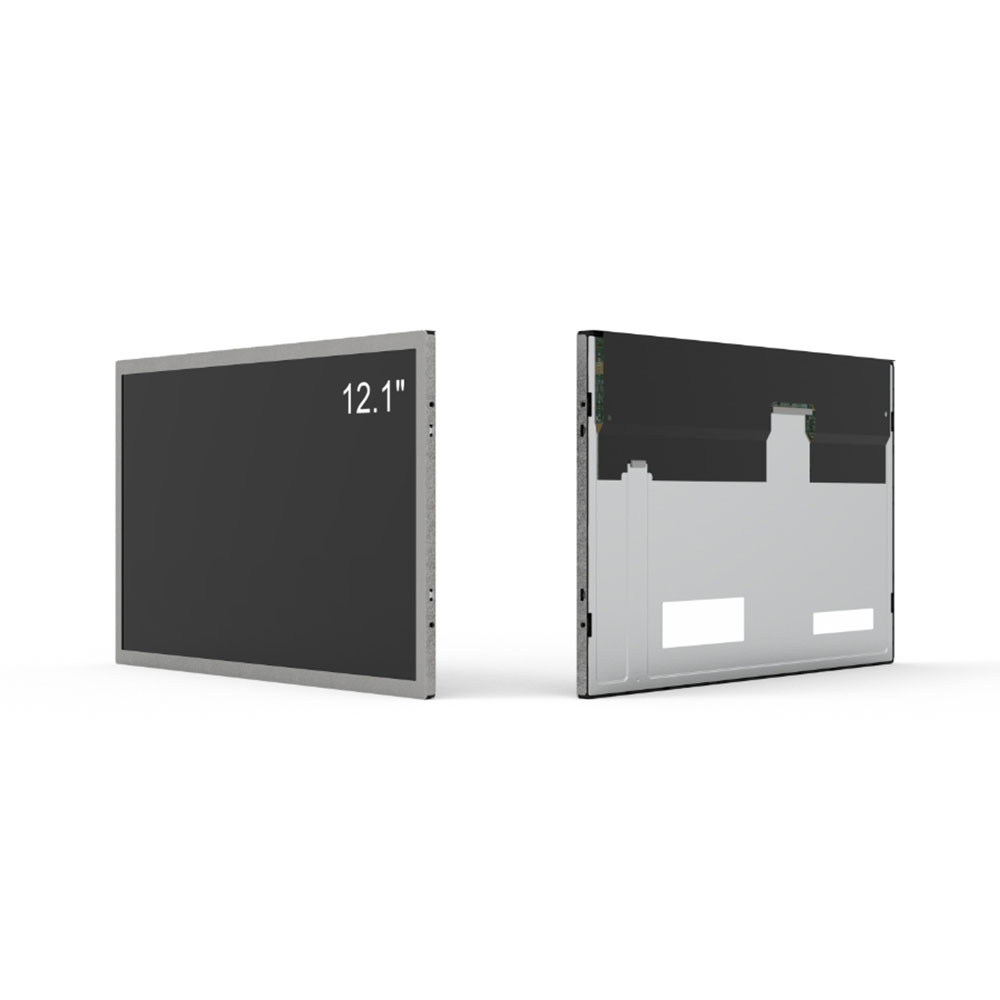
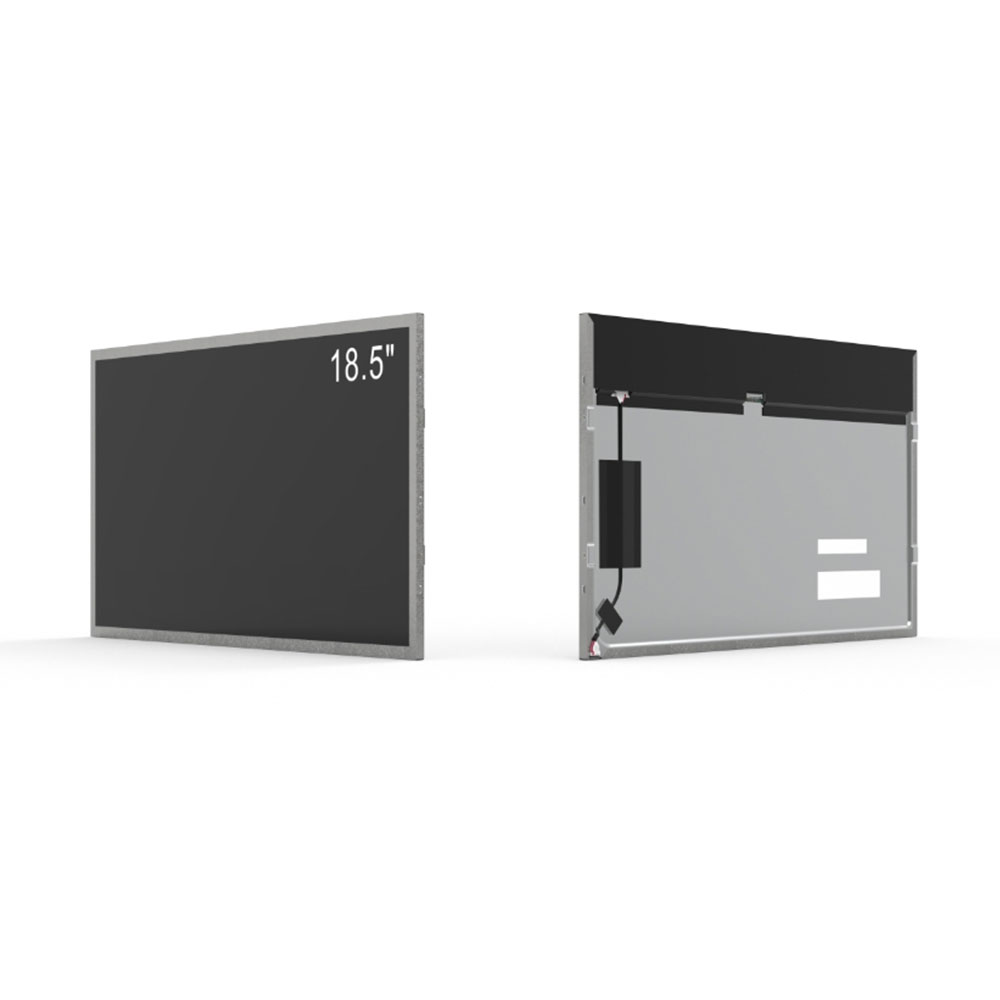
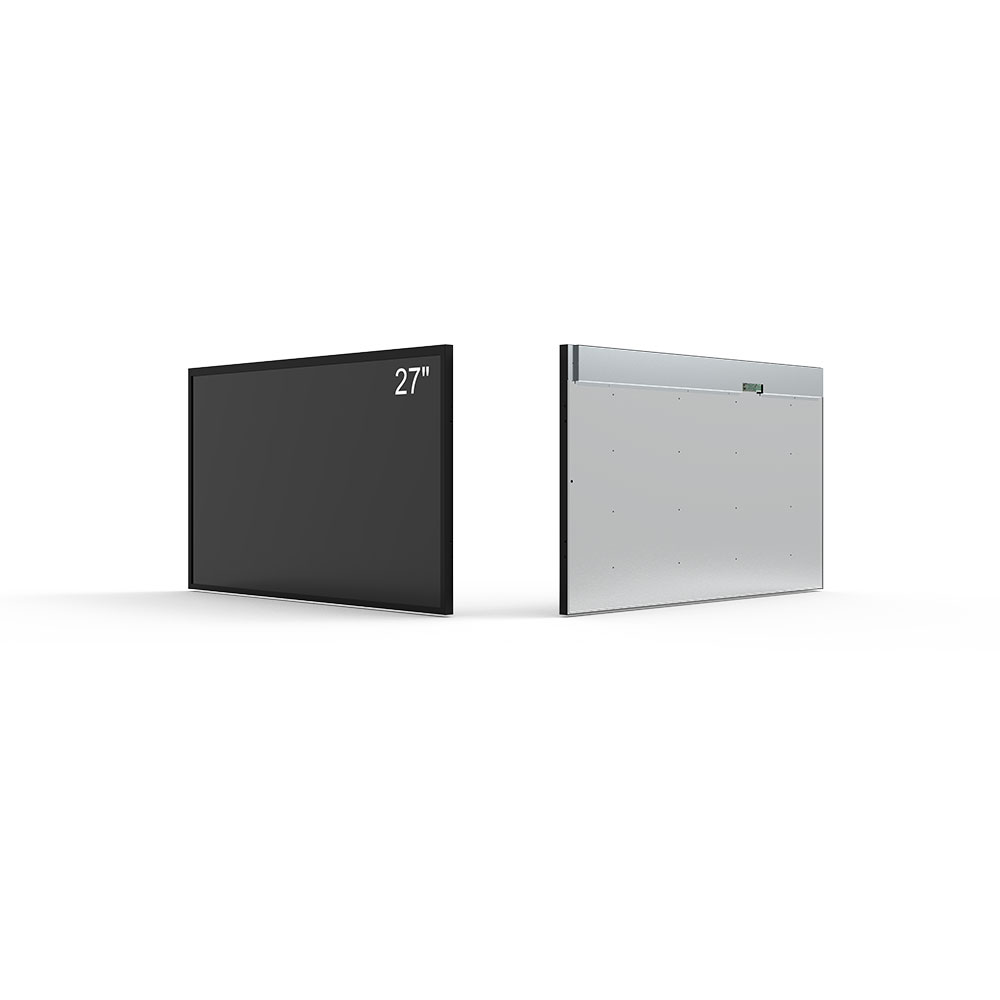
Selecting the appropriate LCD panel is critical for achieving optimal performance, energy efficiency, and user satisfaction in any display application—from consumer electronics like smartphones and TVs to industrial systems such as medical monitors and automotive dashboards. The choice of LCD panel type directly impacts image quality, power consumption, response time, viewing angles, and overall cost-effectiveness.
There are several main types of LCD panels: Twisted Nematic (TN), In-Plane Switching (IPS), Vertical Alignment (VA), and Advanced Super View (ASV). Each has distinct characteristics suited to specific use cases. TN panels offer fast response times and low cost but suffer from narrow viewing angles and less accurate color reproduction—ideal for gaming or budget devices. IPS panels provide wide viewing angles, excellent color accuracy, and consistent brightness across angles, making them a top choice for professional design, photo editing, and high-end consumer displays. VA panels strike a balance between contrast ratio and color performance, offering deep blacks and strong visual contrast—perfect for home theater systems and media playback. ASV, an enhanced variant of VA, improves viewing angles further while maintaining high contrast, commonly found in mid-range monitors and digital signage.
Manufacturers must also consider resolution, refresh rate, backlight technology (LED vs. CCFL), and environmental durability (e.g., operating temperature range and humidity resistance) when specifying panels. For instance, in automotive applications, panels must withstand extreme temperatures (-30°C to +70°C), vibration, and prolonged sunlight exposure without degradation—a requirement often addressed through specialized ruggedized designs certified to ISO 16750 standards.
Furthermore, energy efficiency is increasingly important. Modern LCD panels use edge-lit LED backlights with local dimming and adaptive brightness control to reduce power consumption by up to 40% compared to older models. This is especially crucial for battery-powered devices like tablets and wearables. Industry reports from Display Supply Chain Consultants (DSCC) show that over 80% of new mobile displays now utilize IPS or advanced VA technologies due to their superior performance and growing manufacturing scalability.
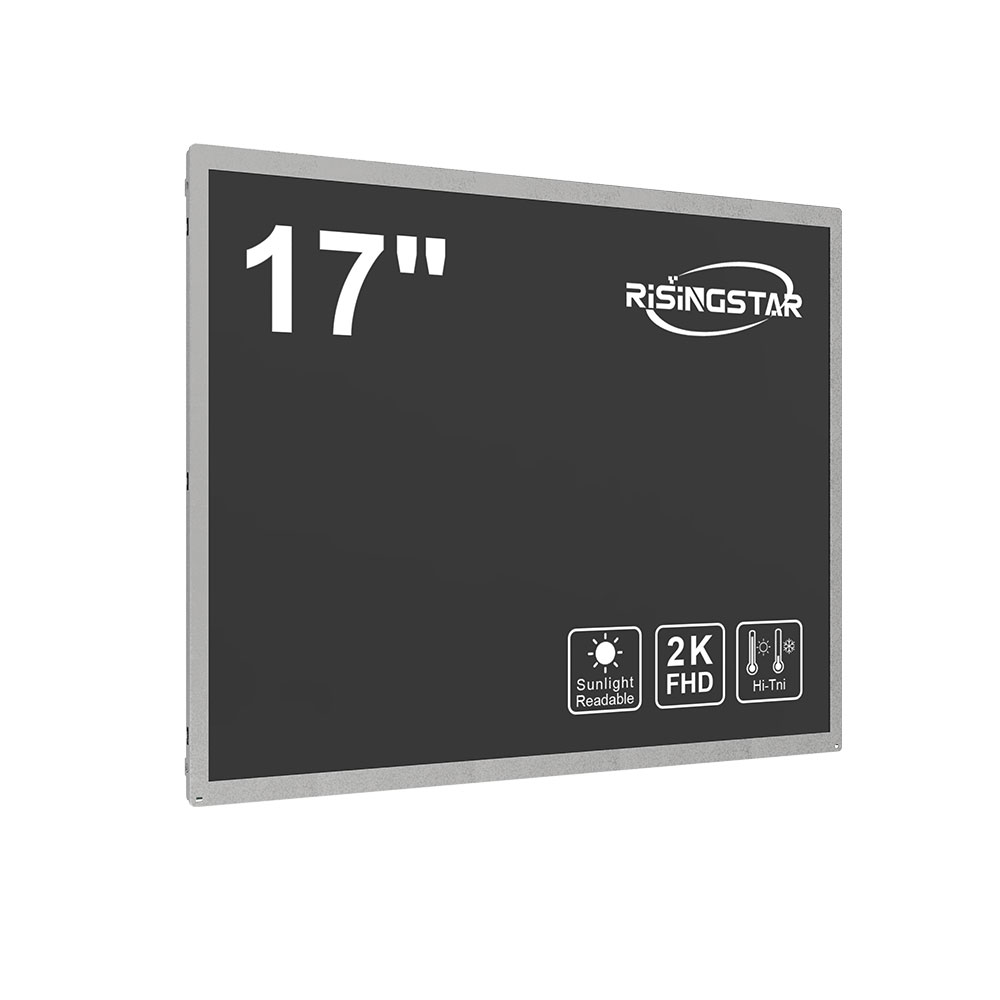
Ultimately, the right LCD panel balances technical specifications, intended usage, and cost constraints. Consulting with experienced display engineers and referencing real-world performance data from verified users—such as those found in TechPowerUp reviews or industry whitepapers from LG Display or BOE Technology—ensures informed decision-making. Whether designing a portable medical device or a large-format retail kiosk, selecting the correct LCD panel is not just about specs—it’s about delivering reliable, high-quality visuals in the right environment.