Bus stop outdoor digital signage has emerged as a critical component of modern urban infrastructure, transforming traditional transit hubs into smart, interactive, and data-driven environments. These dynamic displays provide real-time information such as bus arrival times, service alerts, weather updates, and local advertisements—enhancing commuter experience while optimizing city operations. With the global push toward smart cities, municipalities are investing heavily in robust, weather-resistant digital signage systems that integrate seamlessly with existing transportation networks.
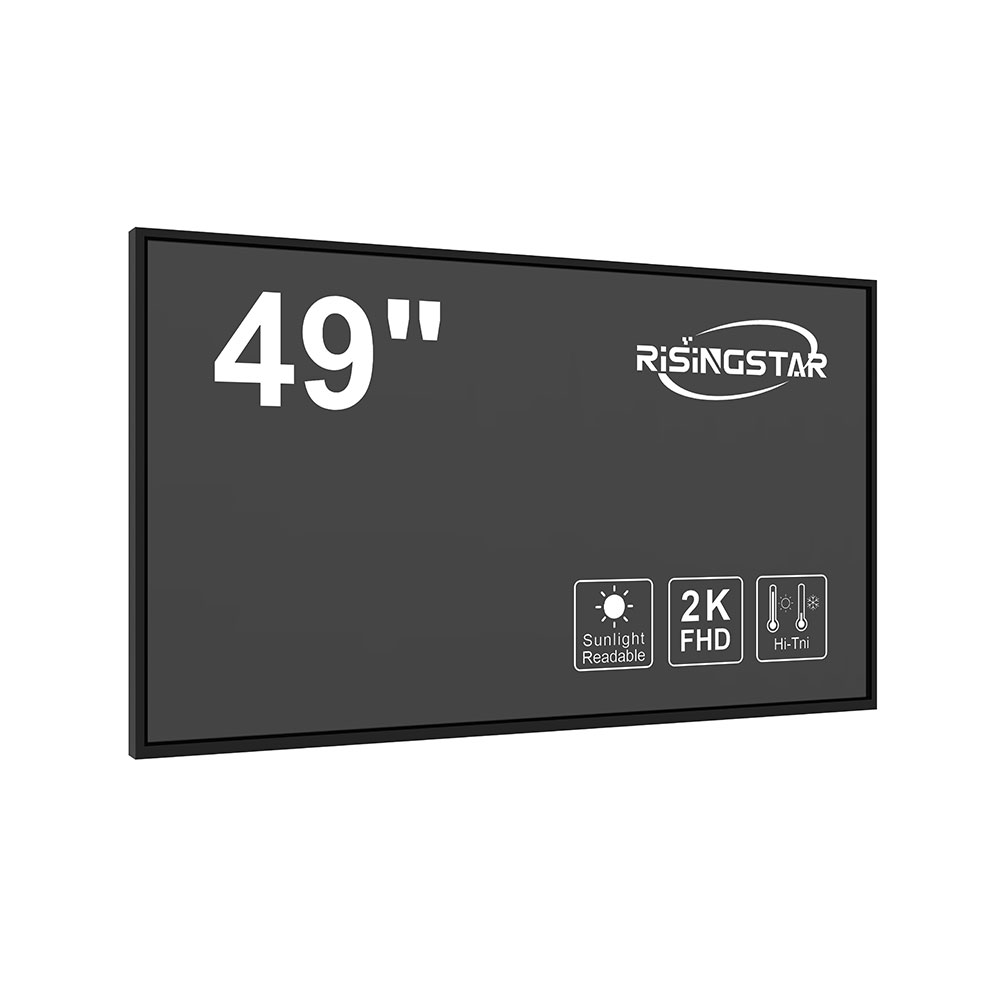
Manufacturers now offer LED-based solutions specifically engineered for outdoor use, featuring high brightness (typically 5,000–8,000 nits), IP65 or higher ingress protection, and wide temperature tolerance (-30°C to +60°C). These specifications ensure visibility in direct sunlight and resilience against rain, snow, and dust—common challenges in urban settings. Additionally, many units support remote content management via cloud platforms, enabling city planners to update messages instantly based on traffic patterns, emergencies, or community events.
Case studies from cities like Singapore, London, and Seoul demonstrate measurable improvements in public transport efficiency after deploying digital signage at bus stops. For example, Singapore’s Land Transport Authority reported a 22% reduction in passenger wait-time complaints within six months of installation. Similarly, London’s Transport for London integrated digital signs with GPS-enabled buses, reducing missed connections by 17%. These outcomes highlight the tangible value of real-time data delivery.

Beyond functionality, sustainability is increasingly important. Many newer models utilize energy-efficient LEDs and solar-powered options, aligning with green city initiatives. According to a 2023 report by Statista, over 60% of global smart city projects prioritize eco-friendly digital signage solutions. Moreover, accessibility features such as text-to-speech audio output and multilingual support make these displays inclusive for diverse populations, including tourists and non-native speakers.
For operators, integration with IoT sensors and AI analytics offers predictive maintenance capabilities—reducing downtime and operational costs. When combined with mobile apps and NFC technology, bus stop digital signage becomes part of a broader ecosystem where citizens can interact directly with their environment. This interconnected approach not only boosts transparency but also builds trust between public agencies and residents.
As urbanization accelerates worldwide, the demand for intelligent, reliable, and scalable bus stop outdoor digital signage will continue to grow. The future lies in adaptive systems that learn from usage patterns, respond to environmental conditions, and contribute to more sustainable, user-centric cities.