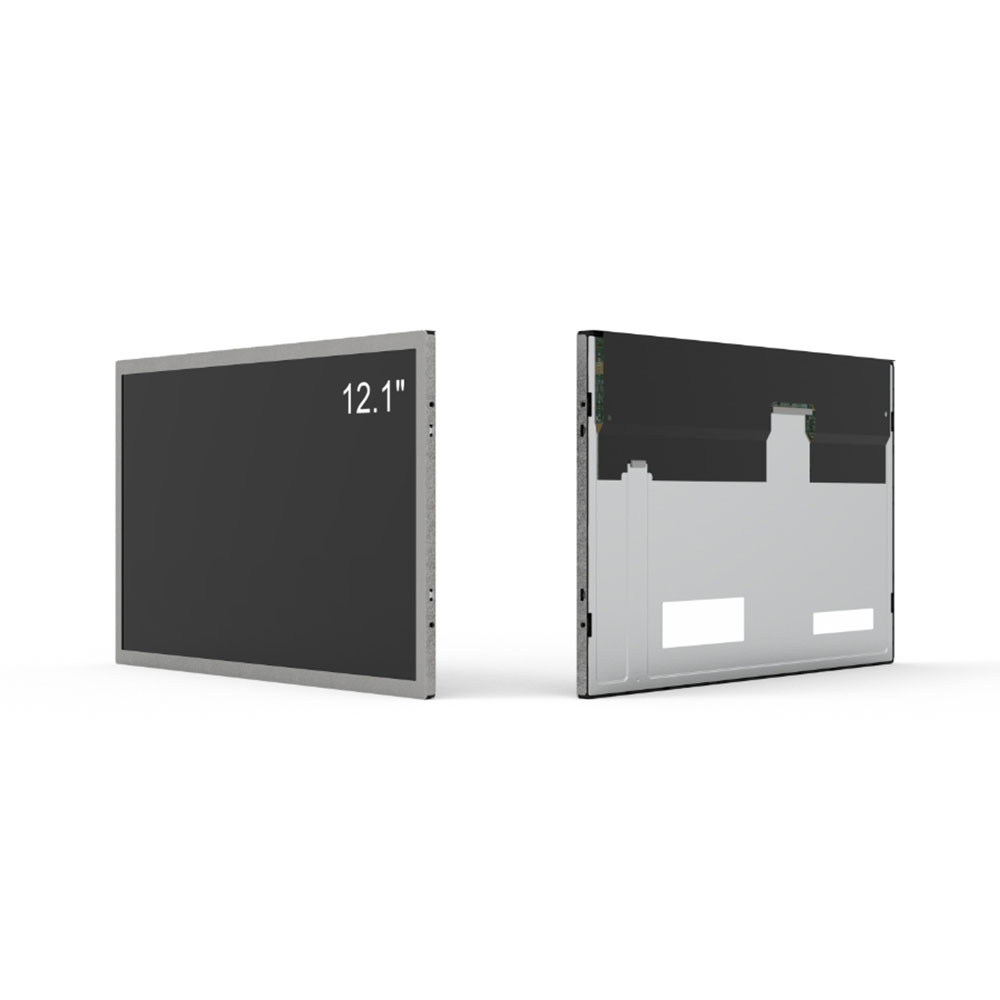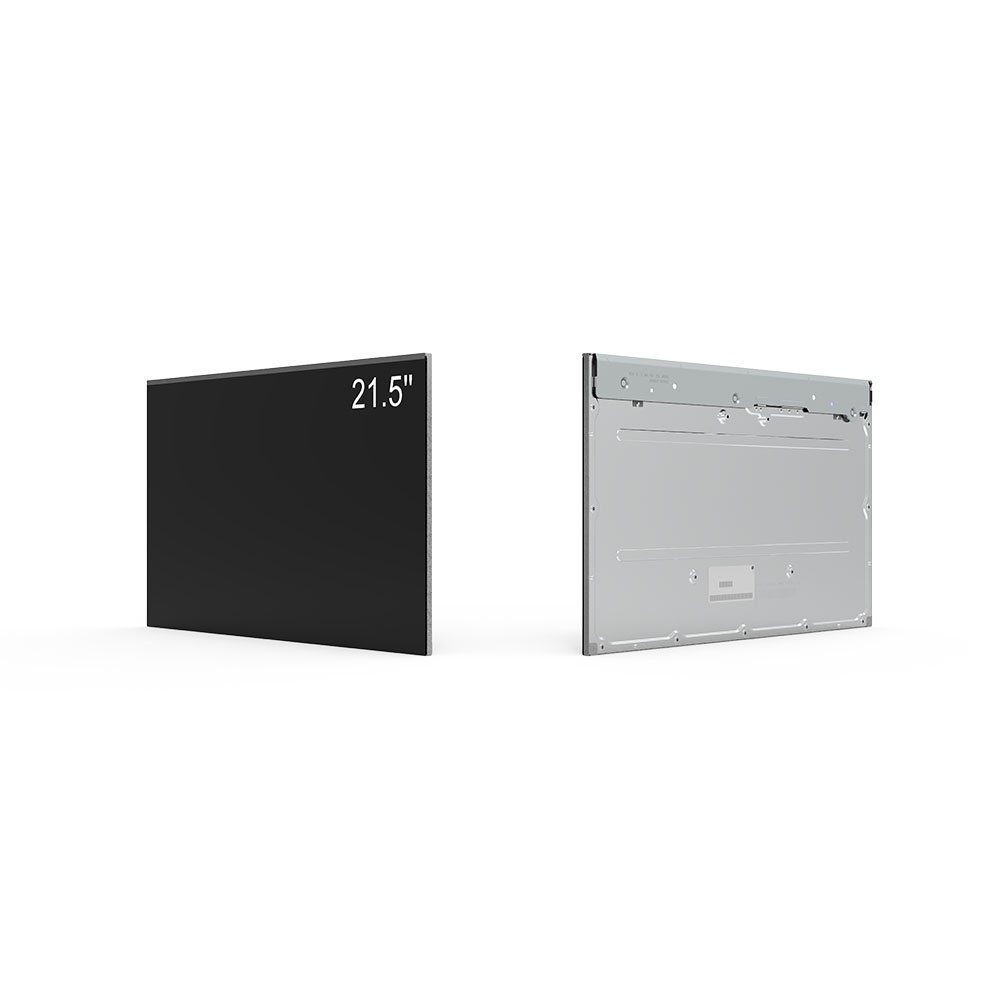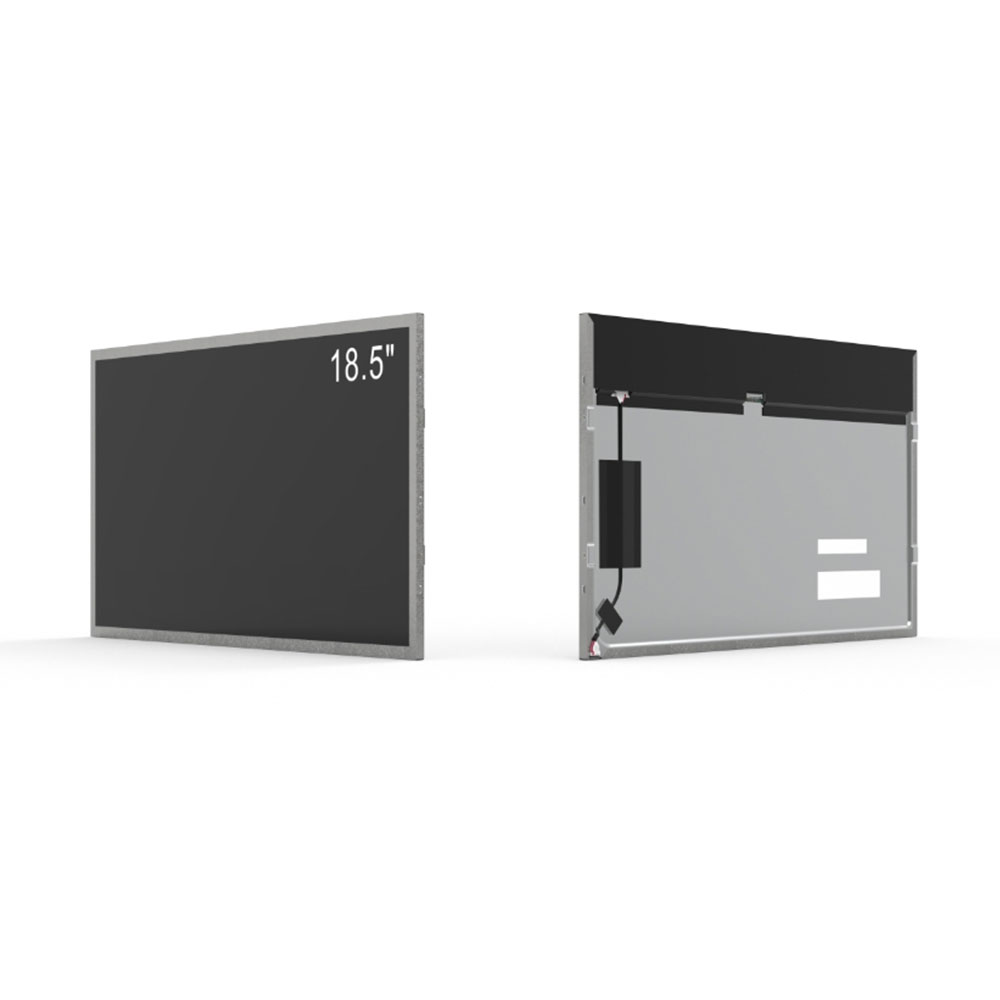
Industrial grade LCD displays are essential components in modern transportation systems and commercial environments, delivering reliable performance under demanding conditions. These displays are engineered to operate continuously in harsh environments such as railway stations, bus terminals, subway platforms, and intercity rail hubs—where clarity, durability, and long-term stability are non-negotiable. Unlike consumer-grade screens, industrial LCDs use high-brightness panels (often 3,000–5,000 nits), wide operating temperature ranges (-20°C to +70°C), and ruggedized housings that resist dust, moisture, and physical impact. For example, the LG Philips LTPS-845B panel used in many transit information systems supports 100,000+ hours of operation without significant degradation—a key metric for system uptime in public transport networks.
In EV charging kiosks and gas pumps, these displays must also withstand exposure to weather, vandalism, and frequent user interaction. Many models now include anti-glare coatings, touch-sensitive overlays compatible with gloves, and IP65 or higher protection ratings. A case study from Siemens Mobility showed a 40% reduction in maintenance costs after deploying industrial-grade LCDs in their smart transit signage systems across 12 European cities.
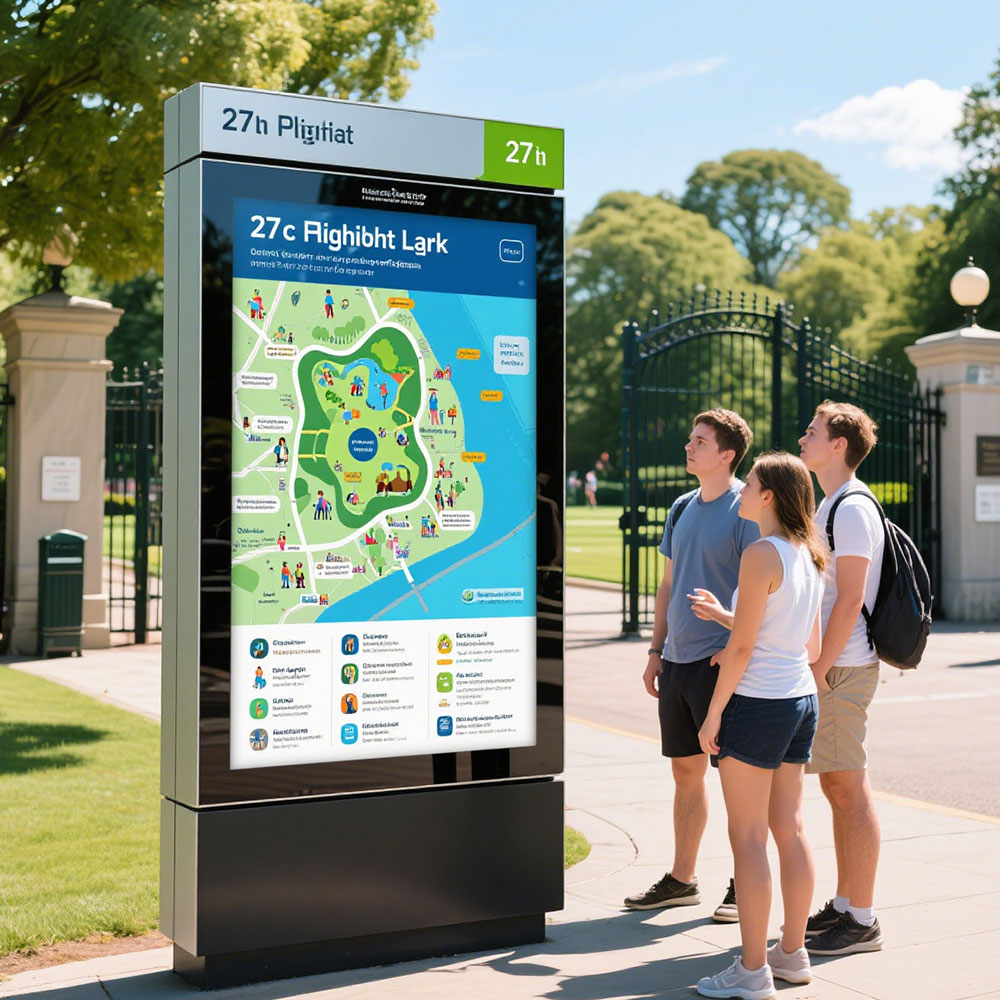
Outdoor digital signage in retail and real estate applications benefits from adaptive brightness control and solar glare compensation algorithms. Brands like NEC and Panasonic offer modular outdoor displays that integrate with cloud-based content management systems (CMS), enabling remote updates and dynamic ad scheduling. In retail environments, these displays increase dwell time by up to 35%, according to a 2023 Nielsen report, making them critical for customer engagement in shopping malls and store entrances.

For all these use cases—from train station departure boards to gas pump interfaces—industrial LCDs ensure consistent image quality, reduce downtime, and improve operational efficiency. Their compliance with standards like EN 60950-1 (safety) and IEC 60068-2 (environmental testing) ensures global deployment viability. With growing demand for smart infrastructure and contactless digital experiences, industrial LCD technology is not just an option—it’s a necessity for mission-critical installations.