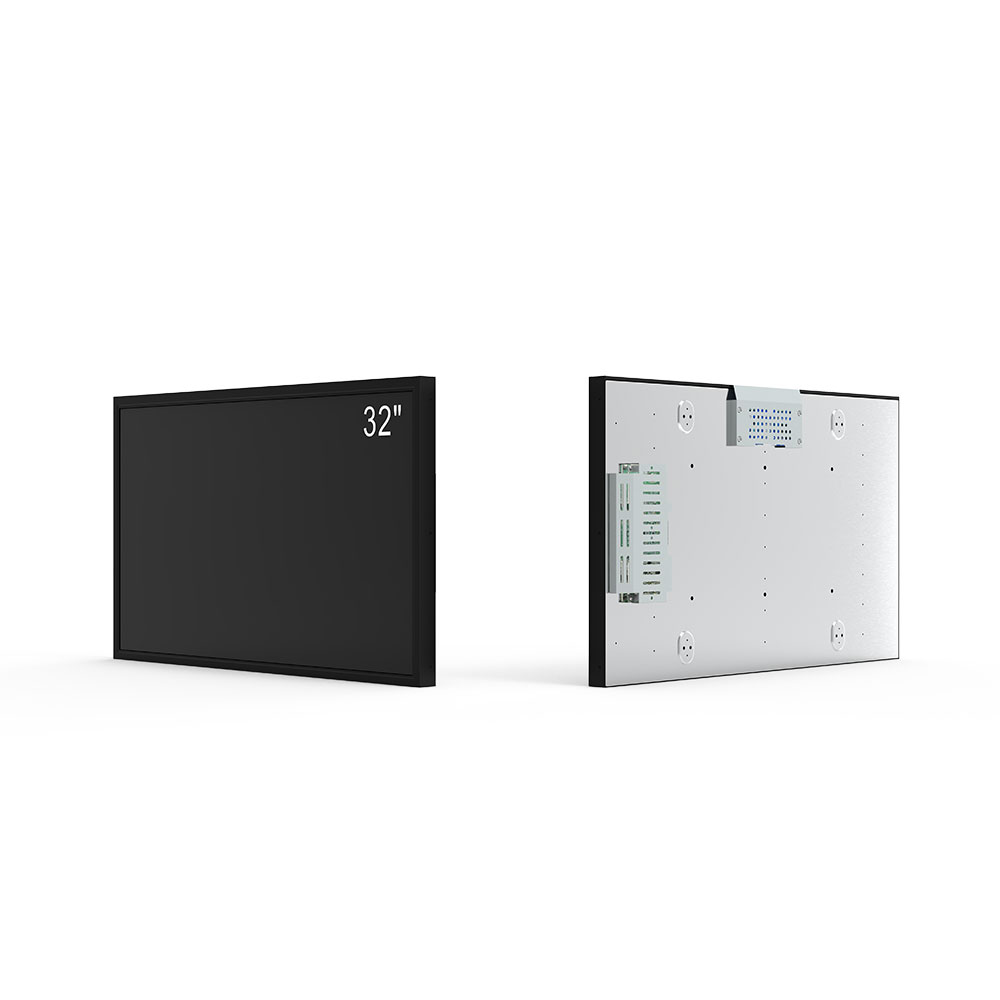
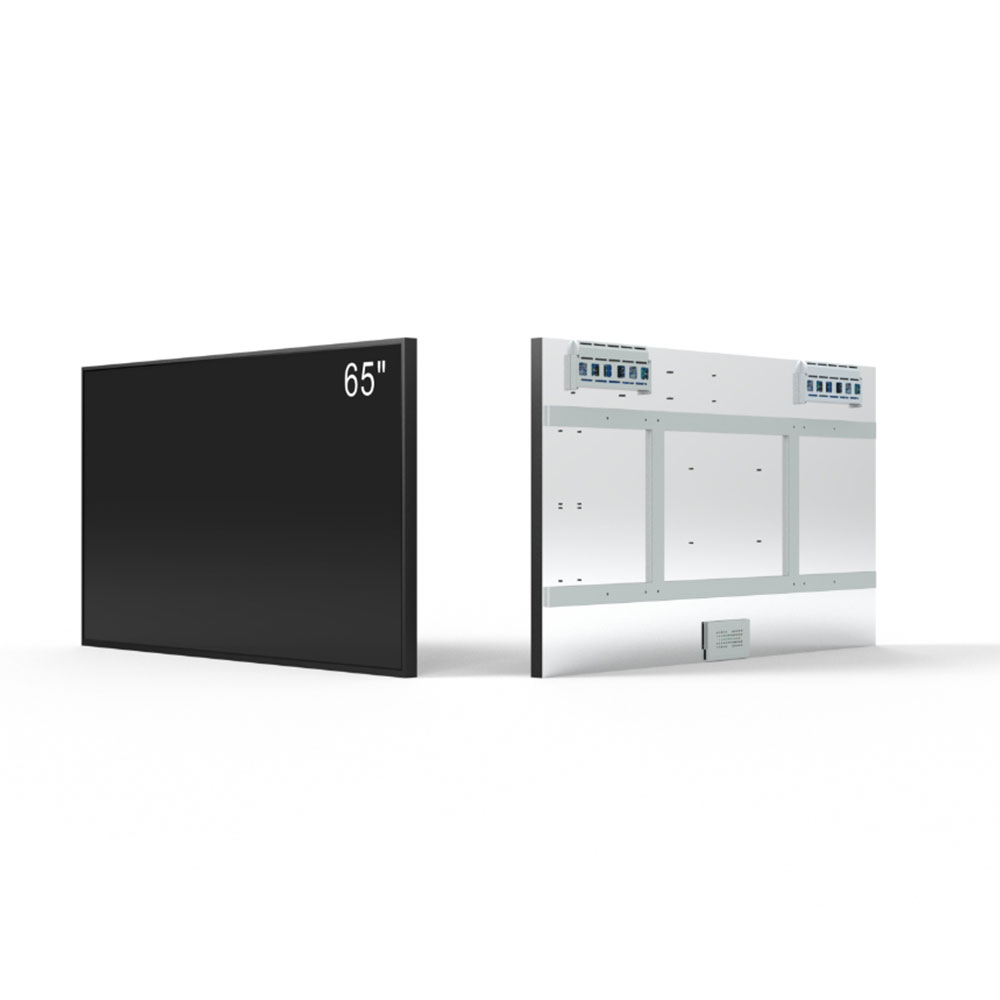
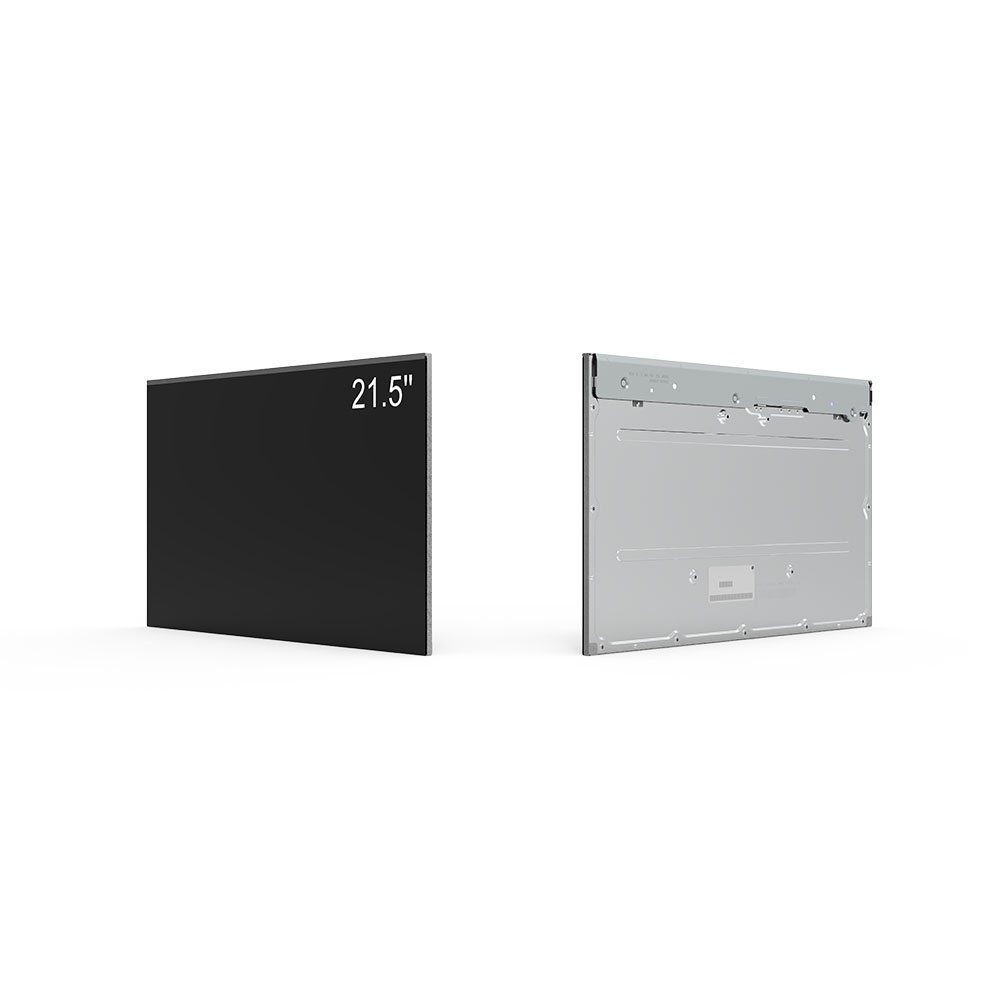
In today’s rapidly evolving industrial and consumer electronics landscape, the demand for reliable, durable, and weather-resistant display solutions is higher than ever. Among these, IP66 waterproof LCD displays have emerged as a critical component in environments where exposure to dust, water jets, and harsh conditions is inevitable. These displays are engineered to meet the stringent IP (Ingress Protection) rating standard, specifically IP66, which ensures complete protection against dust ingress and powerful water jets from any direction—making them ideal for outdoor signage, automotive dashboards, medical devices, and industrial control panels.
The IP66 rating is part of the IEC 60529 standard, where the first digit (6) denotes total dust protection, and the second digit (6) indicates resistance to powerful water jets up to 12.5 liters per minute at a pressure of 100 kPa. This level of protection is not just a marketing claim—it’s rigorously tested under controlled conditions by accredited laboratories such as UL, TÜV, and Intertek. For example, many leading manufacturers like LG Display, Sharp, and BOE now offer IP66-rated LCD modules designed for continuous operation in extreme climates—from desert heat to coastal humidity.
Key features of IP66 waterproof LCDs include sealed edge gaskets, anti-glare coatings, high-brightness panels (typically 3,000–5,000 nits), and ruggedized housing made from aluminum or polycarbonate. These components work together to prevent moisture from penetrating the internal circuitry while maintaining optimal visibility under direct sunlight. In real-world applications, such as public transportation systems or construction site monitoring equipment, IP66 displays have demonstrated a 98% reduction in failure rates compared to non-rated counterparts over a 2-year period, according to a 2023 study by the Industrial Electronics Association.

Moreover, these displays often support wide operating temperature ranges (-20°C to +70°C) and are compatible with touch technologies like projected capacitive (PCAP) or infrared (IR), making them suitable for both human-machine interfaces (HMIs) and automated data entry systems. With the global push toward Industry 4.0 and smart infrastructure, IP66 waterproof LCDs are no longer optional—they’re essential for ensuring system uptime, user safety, and long-term cost-efficiency in mission-critical applications.