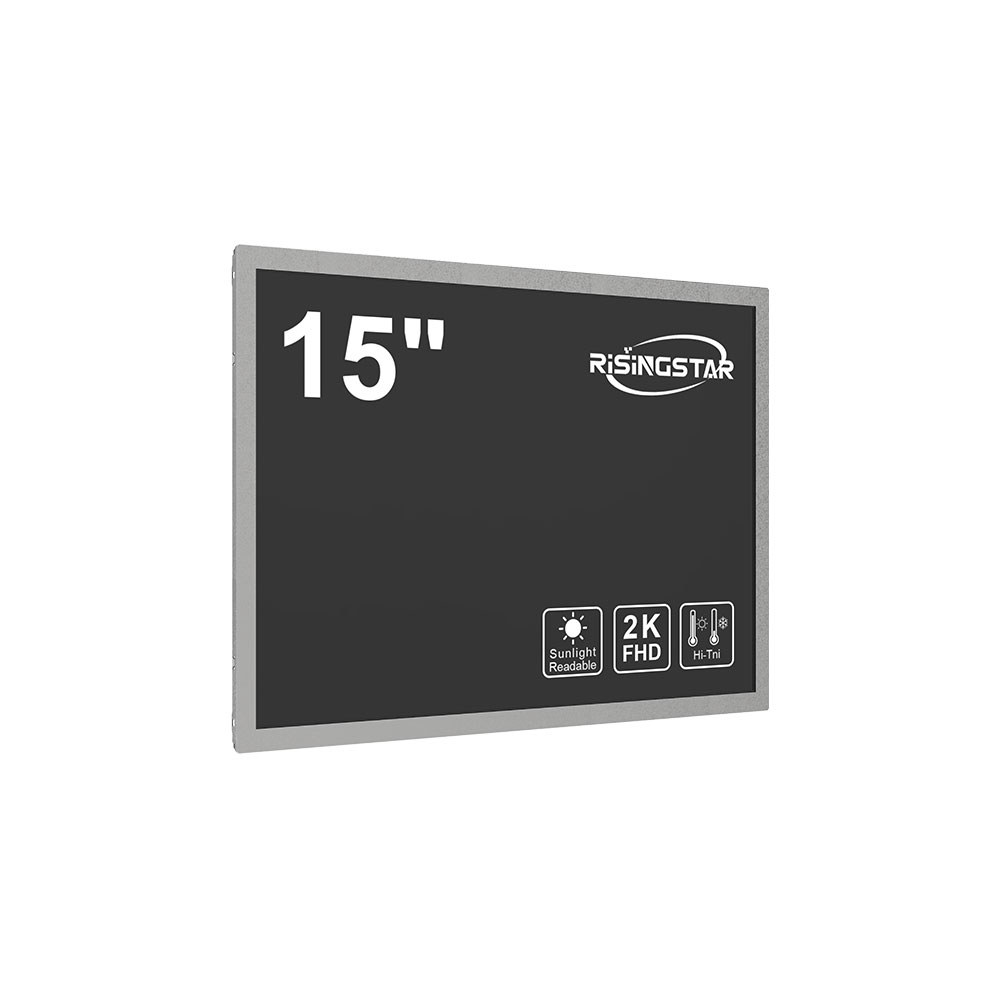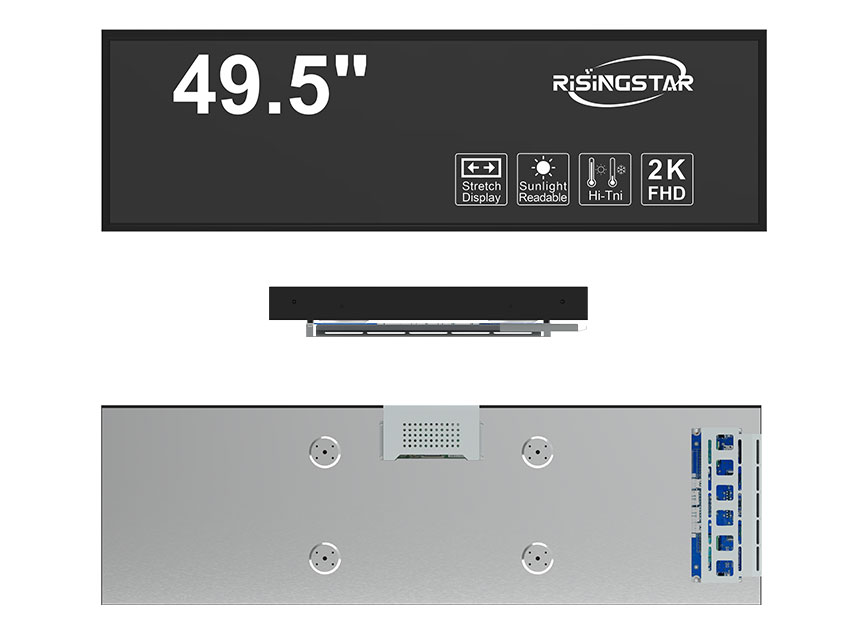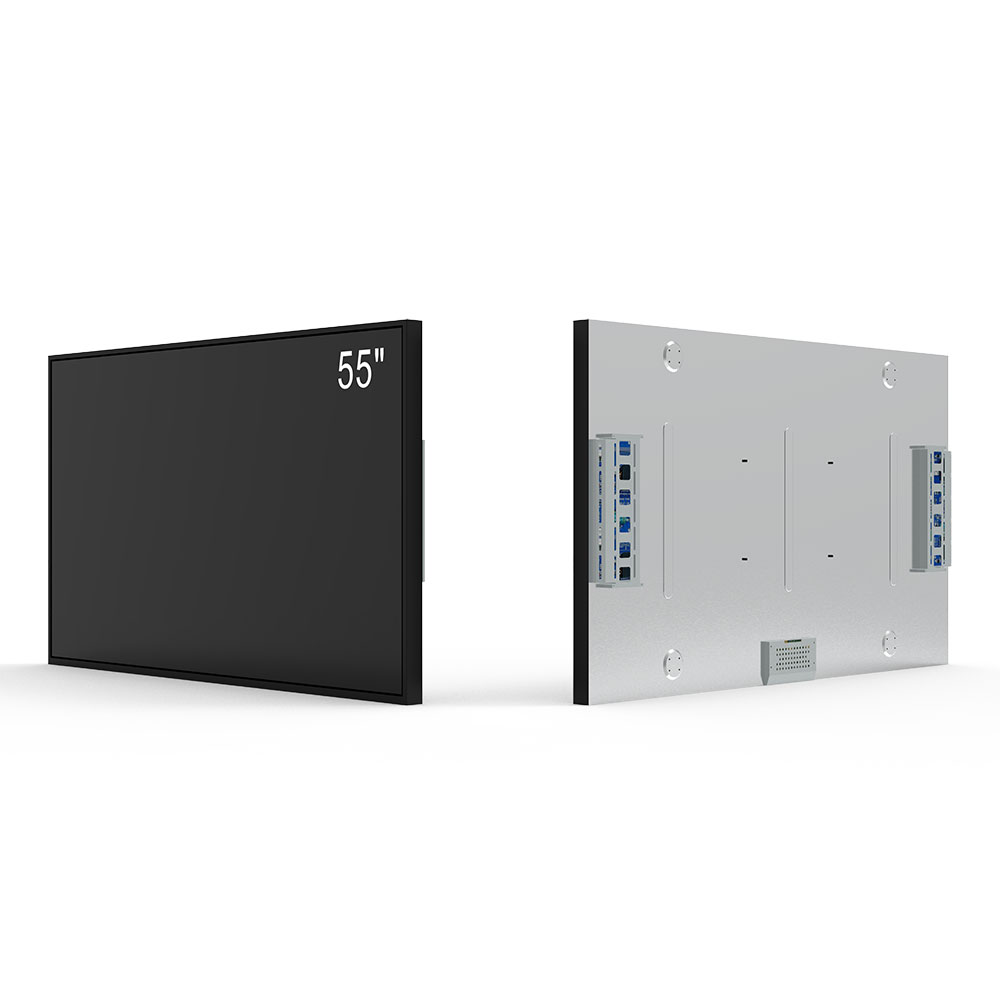
LCD (Liquid Crystal Display) technology remains a cornerstone in the design of modern electronic devices, from smartphones and televisions to automotive dashboards and medical equipment. At its core, an LCD panel uses liquid crystals—organic compounds that exhibit properties between those of conventional liquids and solid crystals—to control light passage through individual pixels. Unlike OLEDs, which emit their own light, LCDs require a backlight source, typically LED-based, to illuminate the display. This makes LCDs energy-efficient for larger screens while maintaining excellent color accuracy and longevity.
The manufacturing process of LCD panels involves several critical steps: glass substrate preparation, thin-film transistor (TFT) array fabrication, alignment layer coating, liquid crystal injection, and polarizer application. Each stage demands precision engineering and cleanroom environments to ensure defect-free production. According to the International Technology Roadmap for Semiconductors (ITRS), advanced TFT-LCD processes now support resolutions up to 8K (7680×4320 pixels), enabling ultra-high-definition visual experiences across consumer and professional markets.
One key advantage of LCDs is their maturity and cost-effectiveness compared to newer technologies like MicroLED or QLED. In fact, market research firm IHS Markit reported in 2023 that over 65% of global TV shipments still rely on LCD panels due to their balanced performance-to-cost ratio. Moreover, LCDs are widely used in industrial applications where reliability and long-term stability are paramount—such as in avionics, medical imaging, and digital signage—because they degrade more slowly than OLEDs under continuous use.
Environmental considerations also favor LCDs. While both LCD and OLED panels contain hazardous materials like lead and mercury, modern LCDs have adopted RoHS-compliant manufacturing standards and improved recycling protocols. The European Commission’s Ecodesign Directive mandates energy efficiency thresholds for displays, which LCDs often meet with minimal power consumption even at full brightness thanks to adaptive backlighting systems.
For consumers, LCDs remain a top choice for large-format displays such as 55-inch and above TVs, offering consistent image quality without the risk of burn-in—a common issue with OLEDs. Additionally, advancements in IPS (In-Plane Switching) and VA (Vertical Alignment) panel technologies have significantly improved viewing angles and contrast ratios, making LCDs competitive with high-end alternatives in home entertainment setups.

In summary, despite the rise of newer display technologies, LCDs continue to dominate the market due to their proven reliability, affordability, scalability, and adaptability to diverse applications—from mobile devices to smart infrastructure. As manufacturers innovate around edge-to-edge designs, higher refresh rates, and sustainable materials, LCD technology remains a vital part of the global electronics ecosystem.