LCD (Liquid Crystal Display) technology has become a cornerstone of modern visual communication, powering everything from smartphones and laptops to industrial control panels and automotive dashboards. As one of the most widely adopted display technologies globally, LCDs offer a compelling balance of cost-efficiency, energy savings, and image quality—making them indispensable across consumer electronics, medical devices, and smart infrastructure.
At its core, an LCD operates by manipulating liquid crystal molecules between two polarized glass substrates using electric fields. Unlike OLEDs, which emit light directly from organic compounds, LCDs require a backlight source—typically LED or CCFL—to illuminate the display. This structural difference influences both performance characteristics and manufacturing complexity. The liquid crystals themselves do not produce light; instead, they act as shutters that regulate how much light passes through each pixel. Each pixel is divided into sub-pixels (red, green, blue), allowing for precise color reproduction when combined appropriately.
The evolution of LCD technology began in the 1960s with early prototypes at RCA Laboratories, but it wasn't until the 1980s and 1990s that commercial viability improved significantly due to advances in thin-film transistor (TFT) technology. TFT-LCDs introduced active matrix addressing, enabling faster response times, higher resolution, and better contrast compared to passive matrix displays. Today’s high-end LCDs can achieve resolutions up to 4K UHD (3840x2160 pixels), refresh rates exceeding 120Hz, and viewing angles exceeding 178°, making them suitable for professional video editing, gaming, and medical imaging.
In consumer electronics, LCDs dominate the market due to their affordability and mature supply chains. For example, major manufacturers like Samsung Display, LG Display, and BOE Technology Group have invested heavily in large-scale production facilities, driving down costs while improving yield and consistency. According to a 2023 report by Statista, over 75% of all flat-panel displays shipped globally were LCD-based, underscoring their dominance in mobile phones, tablets, and televisions.
However, LCDs are not without challenges. One persistent issue is poor black levels compared to OLEDs—a consequence of the backlight always being on, even during dark scenes. This leads to "blooming" or "haloing" effects around bright objects on dark backgrounds. Additionally, response time limitations can cause motion blur in fast-paced content such as sports or gaming. To mitigate these issues, manufacturers employ advanced techniques such as local dimming, where individual sections of the backlight can be dimmed independently based on image content. High-end models also use IPS (In-Plane Switching) or VA (Vertical Alignment) panel types to enhance color accuracy and viewing angles.
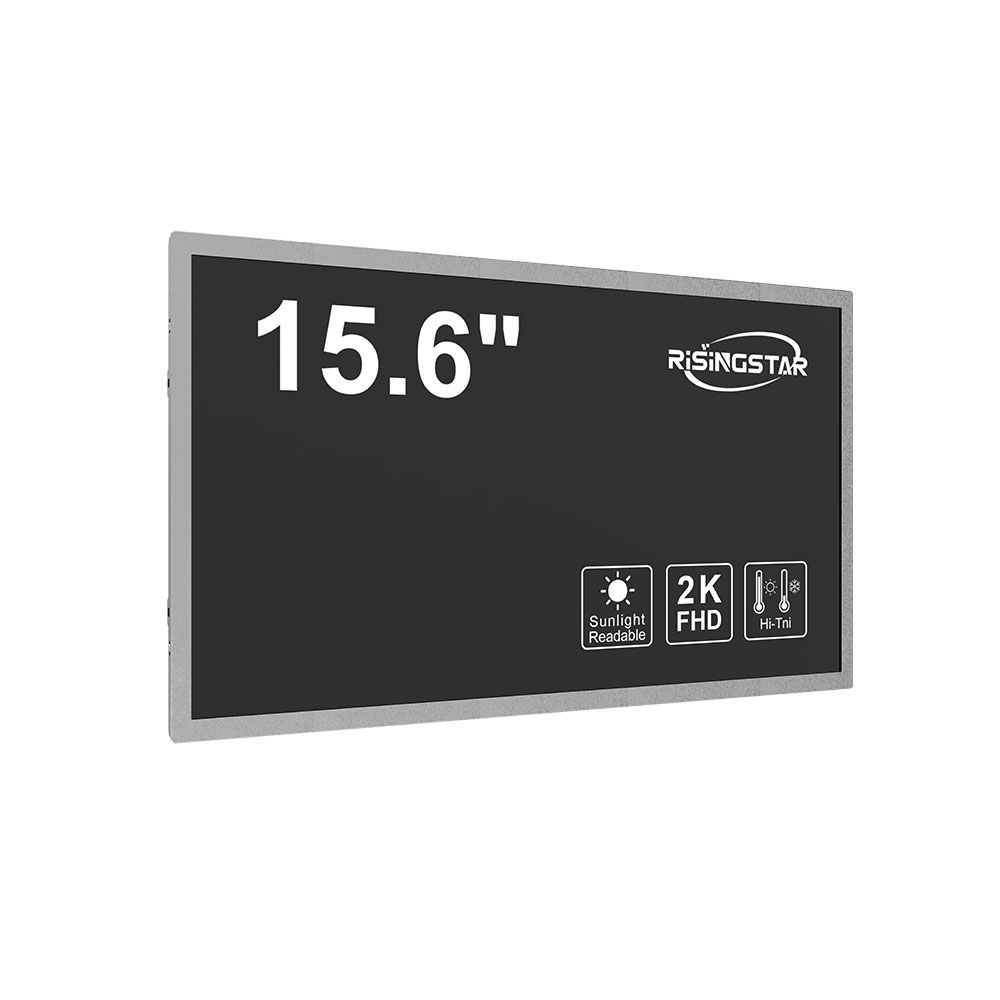
Industrial applications represent another critical domain for LCDs. In manufacturing environments, ruggedized LCD panels are used in CNC machines, PLC interfaces, and automation systems where reliability under harsh conditions matters more than peak brightness. These displays often feature wide temperature ranges (-20°C to +70°C), IP65 or higher dust/water resistance, and anti-glare coatings to prevent reflection in brightly lit workspaces. Companies like Panasonic, Sharp, and Crystalfontz specialize in such industrial-grade LCD modules, offering long-term support and compliance with ISO 9001 standards.
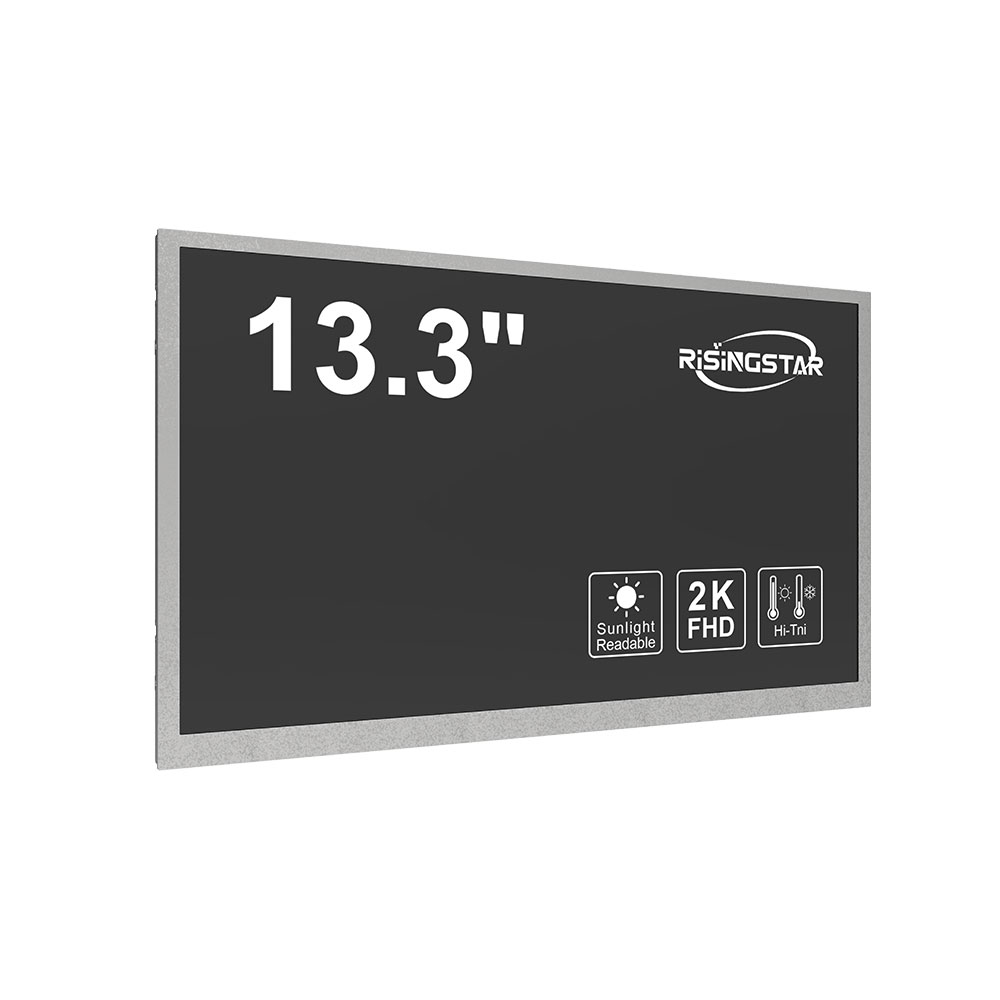
Medical devices also benefit from LCD technology. Portable diagnostic tools like ultrasound machines, patient monitors, and handheld ECG devices rely on LCDs for clear, real-time visualization of vital signs. Medical-grade LCDs must meet stringent regulatory requirements, including FDA Class II certification and IEC 60601-1 safety standards. They typically include features like wide color gamut support (e.g., DCI-P3), high luminance (>1000 cd/m²), and low power consumption for battery-powered operation. A 2022 study published in the Journal of Biomedical Engineering found that medical LCDs using edge-lit LED backlights achieved superior image uniformity and lower heat generation compared to older CCFL-based systems.
Another growing application area is automotive infotainment systems. Modern vehicles increasingly integrate large-format LCD screens for navigation, entertainment, and driver assistance functions. Tesla’s Model S, for instance, features a single 17-inch center console display powered by an embedded LCD panel with touch functionality. Automotive LCDs must withstand extreme temperatures, vibration, and electromagnetic interference—all while maintaining clarity under direct sunlight. To address this, OEMs utilize specialized materials like hardened Gorilla Glass and conductive films for enhanced durability and signal integrity.
From a sustainability perspective, LCDs have made significant strides. While they contain trace amounts of mercury in some CCFL backlights (now largely phased out), modern LED-backlit LCDs are environmentally friendlier. The EU’s RoHS directive mandates restrictions on hazardous substances, and leading manufacturers now ensure full compliance. Furthermore, recycling programs for end-of-life LCD panels are expanding, with companies like Dell and HP implementing take-back initiatives that recover valuable metals such as indium and rare earth elements.
Looking ahead, emerging trends point toward hybrid solutions that combine the strengths of LCD and OLED technologies. MicroLED, for example, offers the brightness and longevity of LCDs with the self-emissive benefits of OLEDs—though currently expensive and limited to niche markets. Meanwhile, Mini-LED and QLED (Quantum Dot LED) enhancements continue to push LCD performance closer to OLED benchmarks. QLED technology uses nanoscale quantum dots to improve color purity and efficiency, resulting in displays that boast wider color gamuts and better energy utilization.
For businesses considering LCD integration into new products, several factors should guide selection:
- Brightness: Choose 500–1000 cd/m² for indoor use, 1000+ cd/m² for outdoor or high-glare environments.
- Viewing Angles: IPS panels offer optimal performance (>170°), crucial for multi-user scenarios.
- Response Time:<5ms for dynamic content; >10ms acceptable for static displays.
- Durability: IP65-rated or higher for industrial settings; MIL-STD-810G certification for military use.
- Power Consumption: LED-backlit LCDs consume ~30–50% less power than CCFL equivalents.
In conclusion, LCD technology remains a versatile and scalable solution across industries. Its adaptability—from consumer gadgets to life-saving medical equipment—ensures continued relevance despite competition from newer formats. With ongoing innovations in materials science, backlighting, and manufacturing processes, LCDs will likely remain a dominant force in display technology well into the next decade.