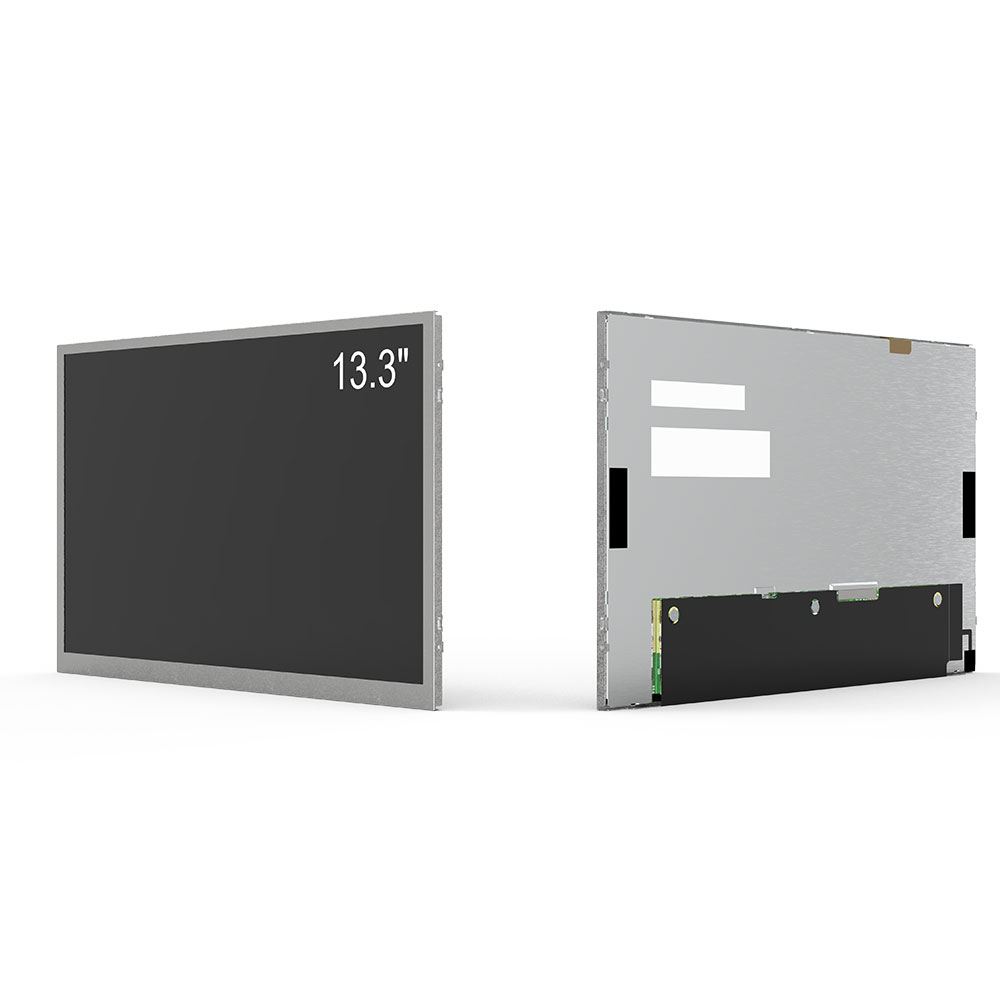
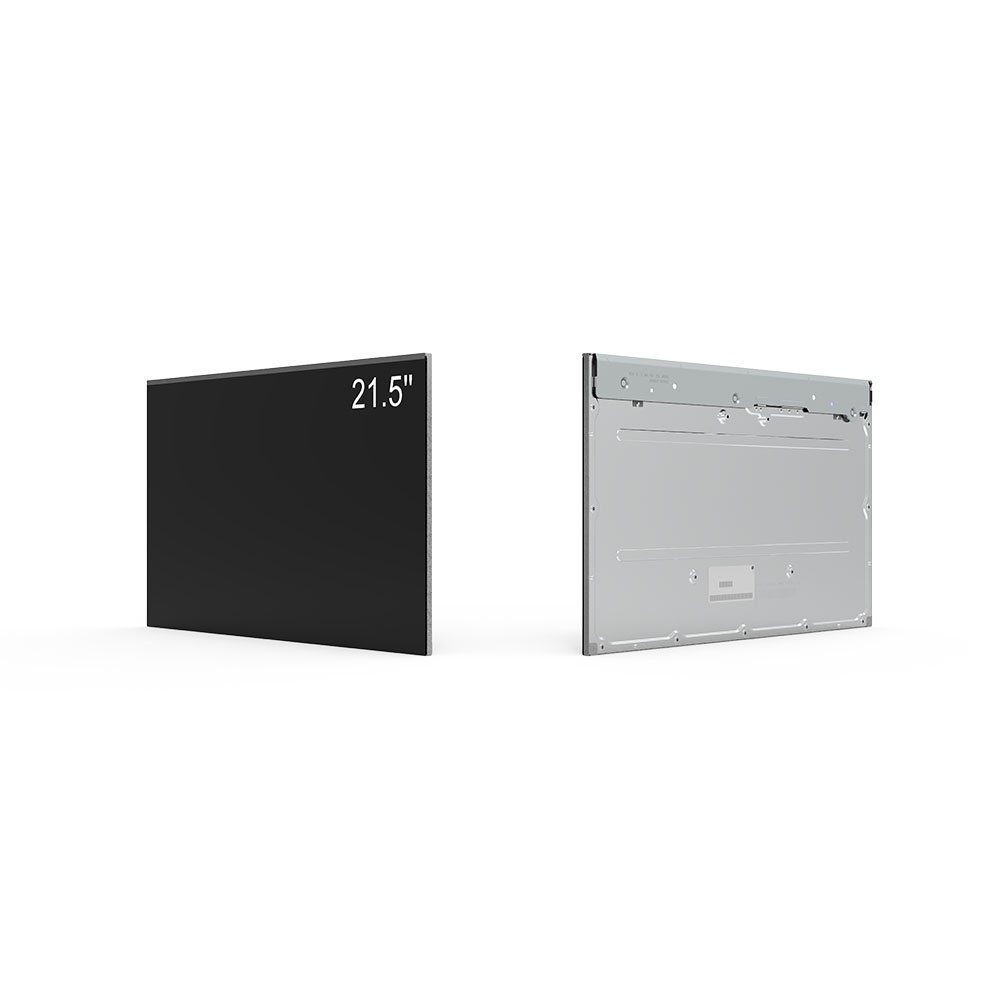
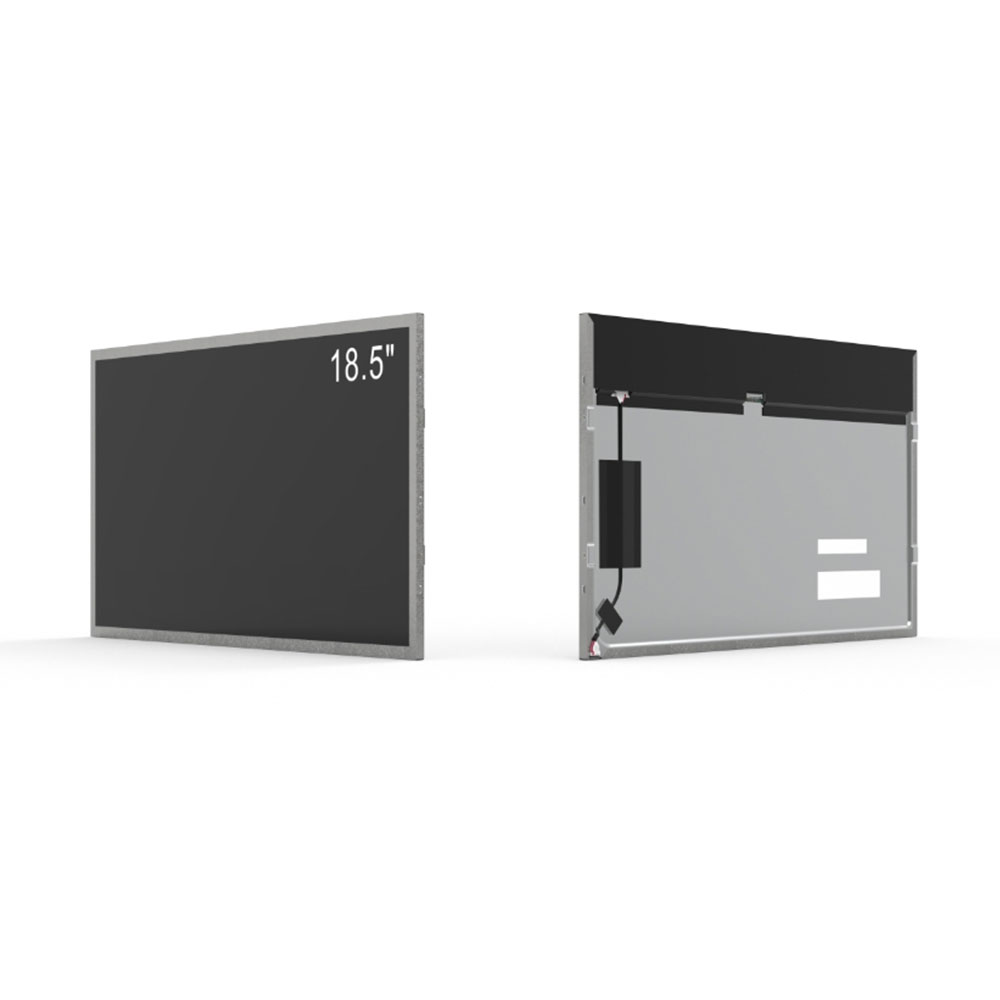
Industrial grade LCD displays have become essential components in modern public infrastructure, offering reliable performance across diverse environments such as railways, buses, trains, subways, and intercity rail systems. These displays are engineered to withstand harsh conditions including extreme temperatures, humidity, vibration, and constant use—making them ideal for passenger information systems (PIS) that must operate 24/7 without failure. For example, in high-traffic metro stations or long-distance trains, clear, real-time updates on schedules, delays, and platform changes are critical for traveler experience. Leading manufacturers like LG, Samsung, and AU Optronics now produce panels specifically designed for transit applications, with features such as wide viewing angles, anti-glare coatings, and enhanced brightness levels (up to 5000 nits for outdoor visibility).
Beyond transportation, industrial LCDs power EV charging kiosks, gas pumps, and digital signage in retail and real estate sectors. In EV charging stations, robust displays provide status updates, payment options, and energy usage metrics—even under direct sunlight or heavy rain. Gas pump displays benefit from durable touchscreens and vandal-resistant enclosures, while retail digital signage leverages these screens for dynamic product promotions and customer engagement. Real estate firms increasingly use outdoor LCDs for property listings, enabling immersive virtual tours even in bright daylight.
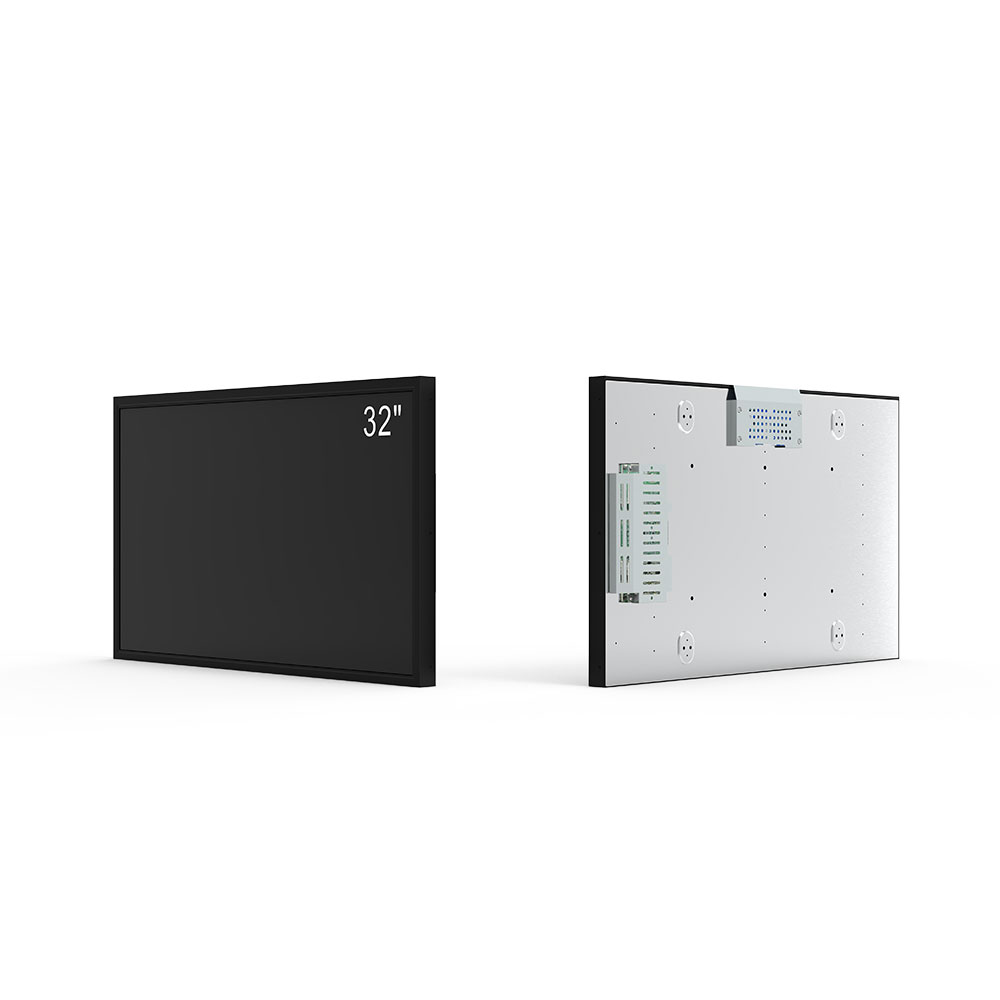
Outdoor digital signage in urban areas relies on IP65-rated enclosures, fanless cooling systems, and corrosion-resistant materials to ensure longevity. According to a 2023 report by MarketsandMarkets, the global industrial LCD market is projected to grow at a CAGR of 6.8% through 2028, driven by smart city initiatives and increased demand for connected infrastructure. Products like the NEC V321W or Sharp LQ104V1LX11 are widely adopted in Europe and Asia due to their compliance with MIL-STD-810G environmental testing standards. These displays not only improve operational efficiency but also enhance user experience—whether it’s a commuter checking train times or a shopper scanning a promotional video in a shopping mall. The future lies in intelligent, networked displays capable of real-time content updates, remote diagnostics, and energy-efficient operation via adaptive brightness control.