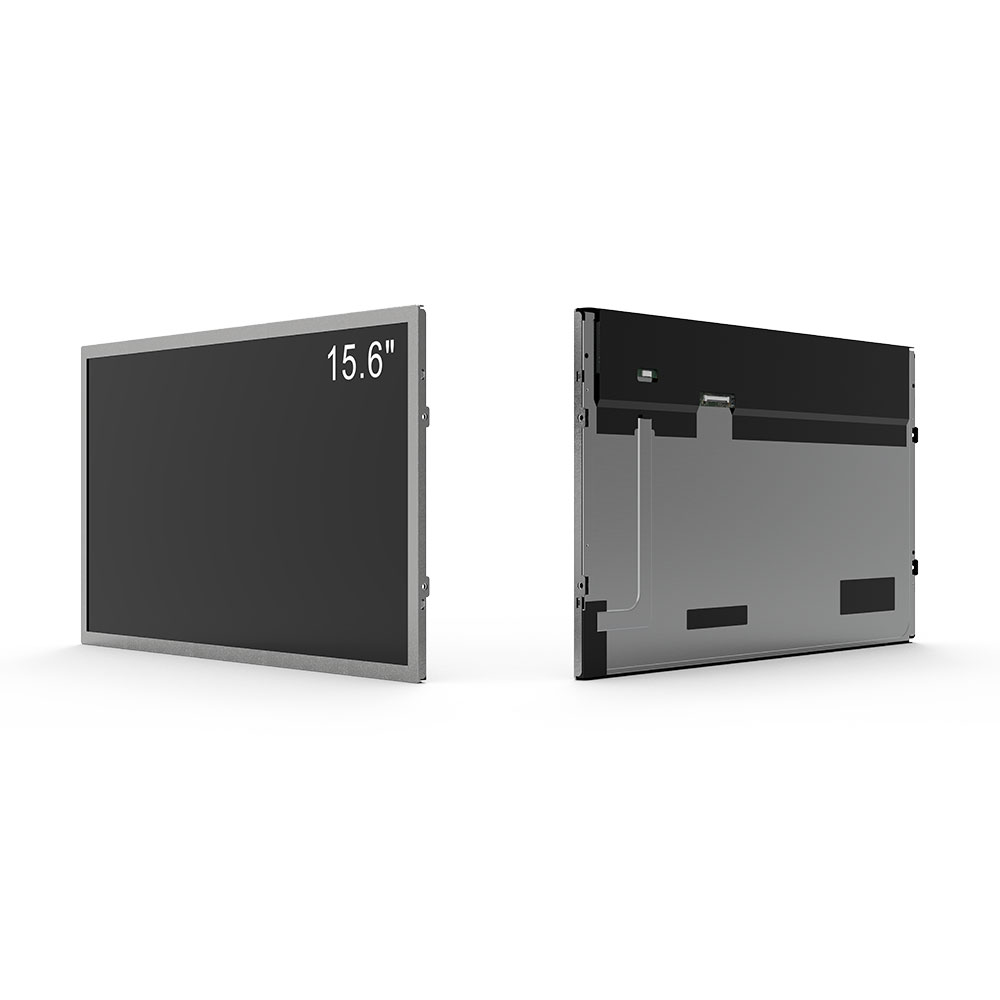
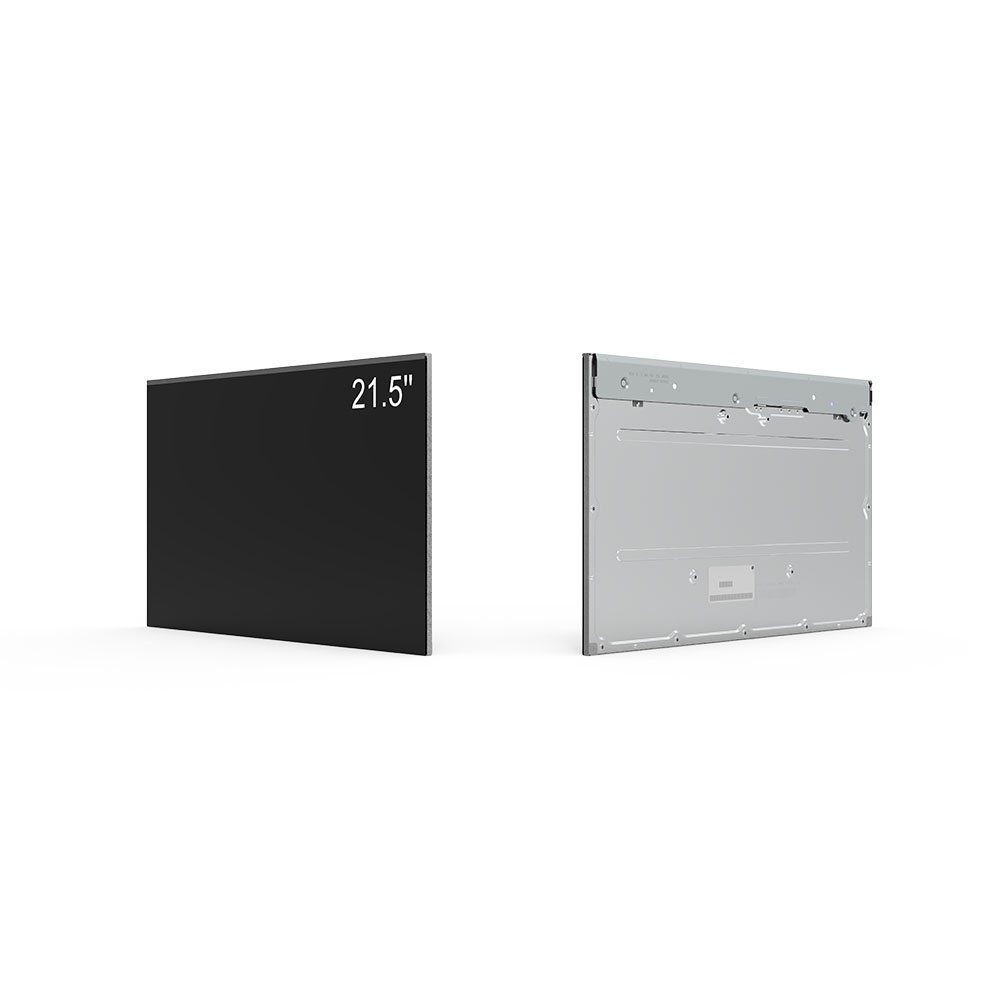
In the evolving landscape of display technology, the 4:3 aspect ratio remains a critical format for specific professional, industrial, and legacy computing environments. Unlike modern widescreen displays (such as 16:9 or 21:9), 4:3 monitors—available in sizes like 15”, 17”, and 19”—offer a more square-like viewing area that was standard in early computer monitors and is still preferred by many users in specialized applications.
The 4:3 ratio ensures better compatibility with older software and operating systems such as Windows XP, DOS-based programs, and certain CAD/CAM tools that were originally designed around this screen geometry. For example, 15” models often provide a resolution of 1024x768 pixels—a native fit for legacy applications without letterboxing or scaling artifacts. Meanwhile, 17” and 19” variants maintain the same aspect ratio but offer increased real estate for multitasking or detailed image work, particularly in medical imaging, point-of-sale (POS) terminals, and industrial control panels.
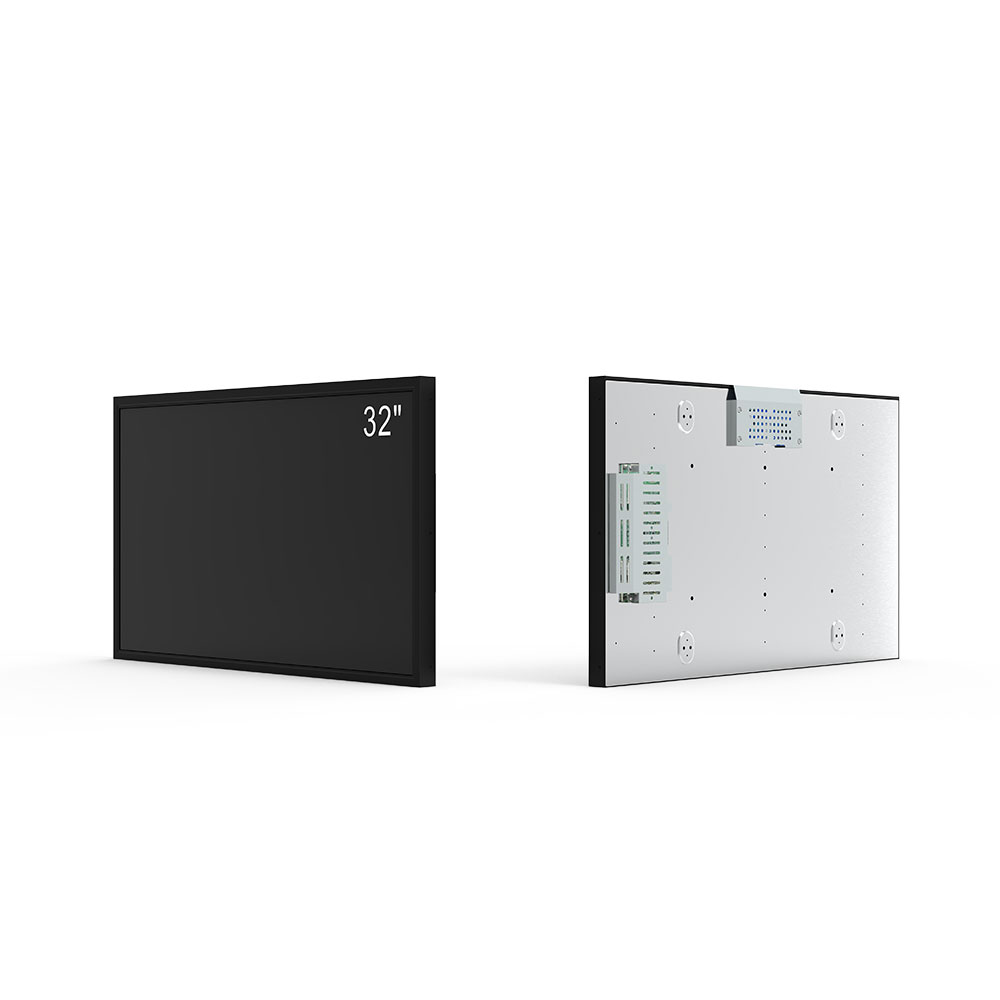
From an engineering perspective, 4:3 LCD panels are manufactured using mature technologies such as TN (Twisted Nematic) or IPS (In-Plane Switching) substrates. These panels typically have higher pixel density per inch than their widescreen counterparts at similar physical sizes, resulting in sharper text rendering and clearer visuals—ideal for office productivity and data entry tasks. According to a 2023 report by Display Supply Chain Consultants (DSCC), demand for 4:3 displays remains stable in verticals like healthcare, manufacturing, and government sectors where system compatibility trumps aesthetics.
Moreover, these monitors are often more energy-efficient than newer high-resolution alternatives due to lower power requirements for panel backlighting and signal processing. This makes them attractive for continuous-use environments such as call centers, kiosks, and embedded systems. Some manufacturers, including Dell, LG, and NEC, continue to support 4:3 displays through dedicated product lines like the Dell UltraSharp U2417H (which offers a 4:3 mode via firmware) and the LG Flatron L1951T (a classic 19” model).
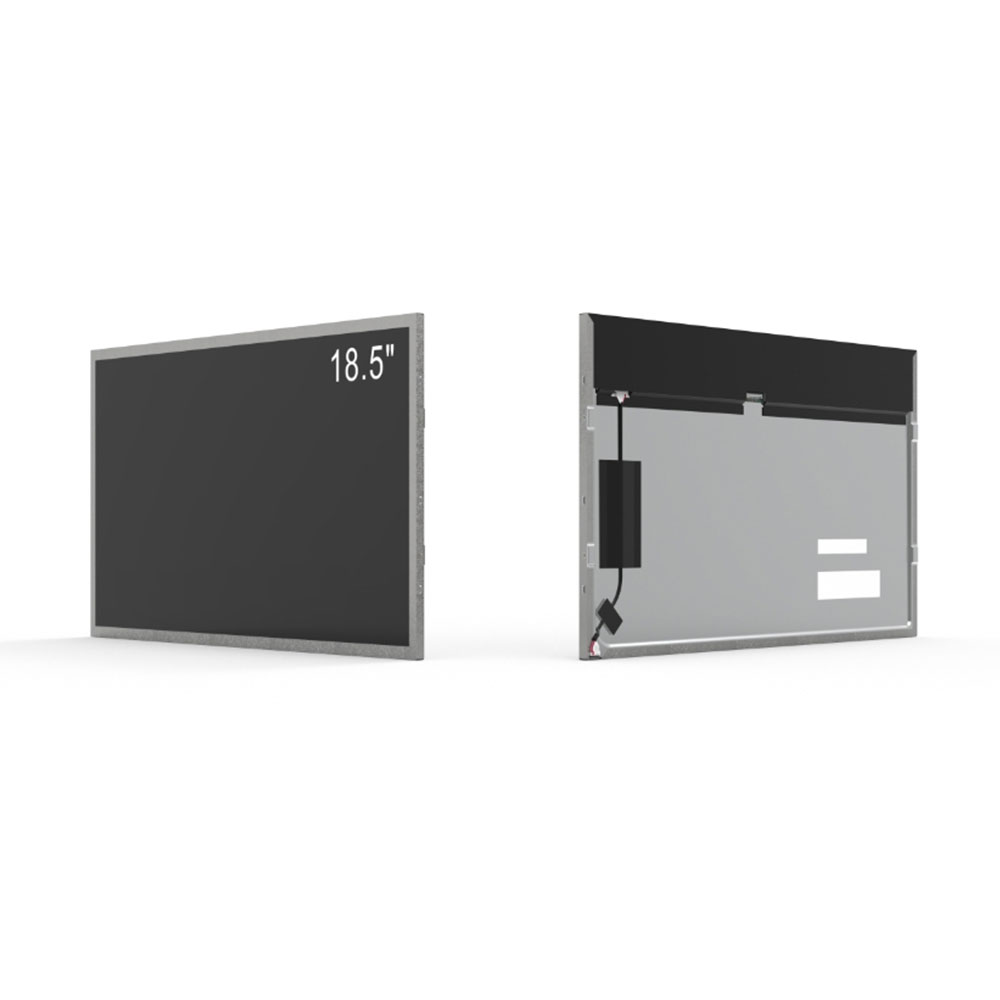
In summary, while 4:3 monitors may seem outdated to casual users, they remain indispensable in industries where precision, compatibility, and reliability are paramount. Whether you're working with legacy software, managing complex workflows, or deploying ruggedized systems, a well-chosen 4:3 display in 15”, 17”, or 19” size can deliver superior performance and long-term value.