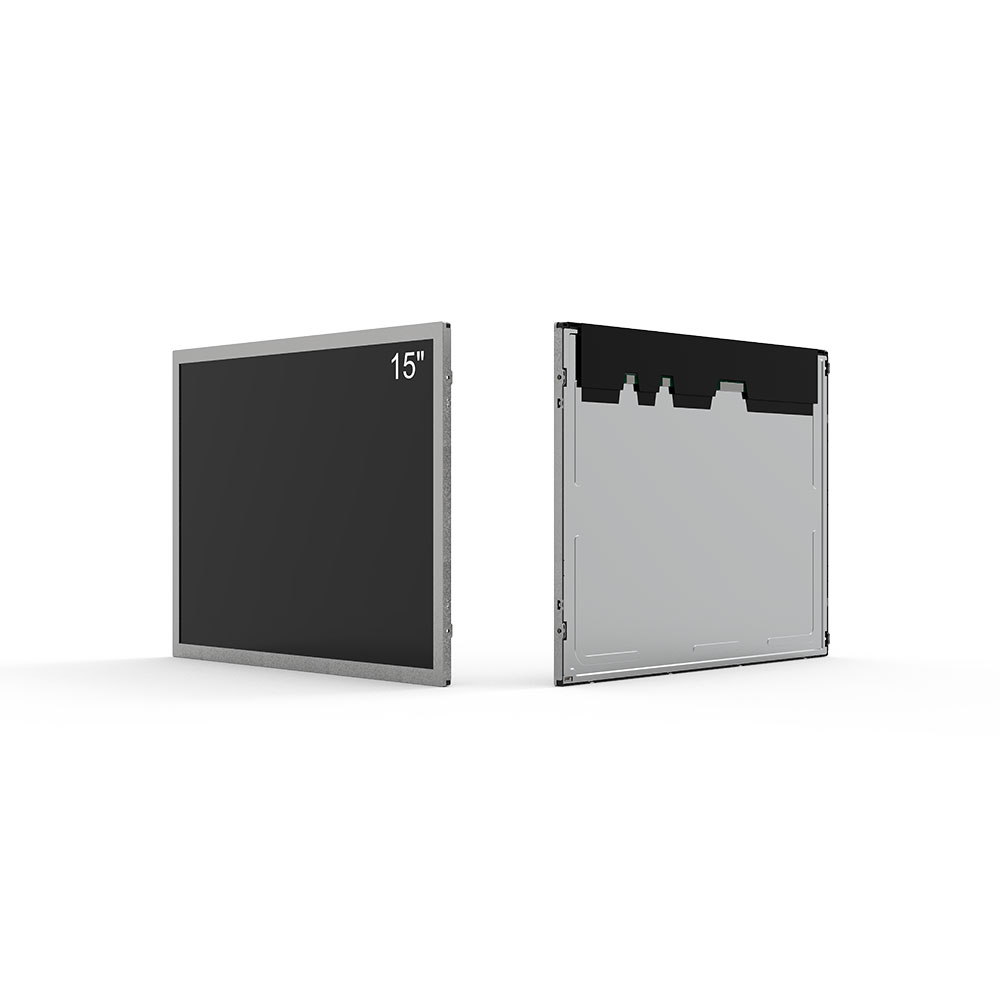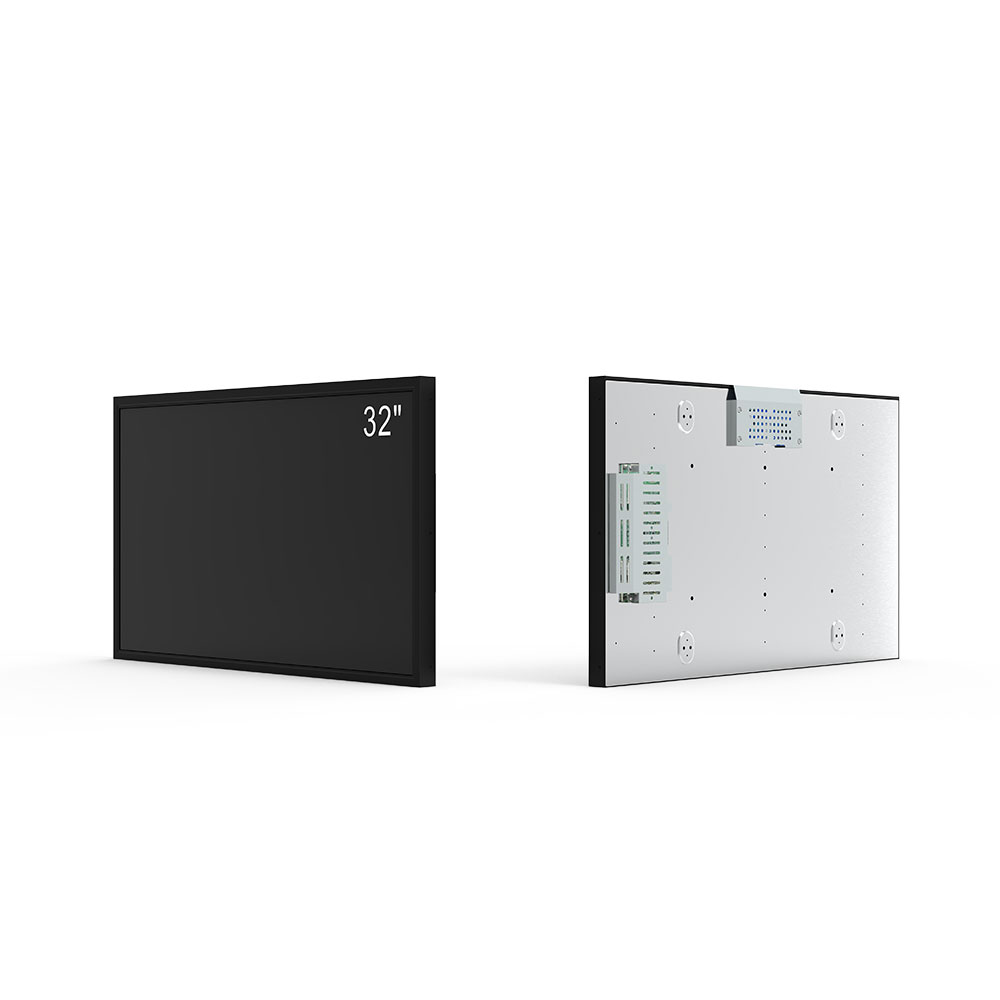
Outdoor digital signage with an IP65 rating has become a cornerstone of modern advertising, public information systems, and smart city infrastructure. Designed to withstand harsh environmental conditions, these displays are engineered for continuous operation in unpredictable weather, from heavy rain to intense sunlight. The IP65 rating—a standard defined by the International Electrotechnical Commission (IEC) —indicates that the unit is protected against water jets from any direction and dust ingress, making it ideal for outdoor use in airports, transit hubs, retail facades, and construction sites.
The core advantage of IP65-rated outdoor digital signage lies in its robust enclosure. Typically constructed from aluminum or stainless steel with sealed joints, these units prevent moisture from entering internal components such as LED modules, power supplies, and control boards. Unlike standard indoor displays, which fail rapidly under UV exposure or humidity, IP65 models incorporate UV-resistant coatings and high-contrast LEDs that maintain brightness even in direct sunlight—often exceeding 5,000 nits. This ensures visibility during peak daylight hours, critical for effective communication in urban environments.
In addition to environmental resilience, IP65-rated displays are optimized for energy efficiency and long-term reliability. Many manufacturers integrate smart climate control systems like passive cooling and thermal management circuits to avoid overheating in summer heat or condensation in humid climates. For example, LG’s Outdoor Series and Samsung’s The Wall Pro have been tested in real-world applications across Europe and North America, with over 98% uptime in field deployments over two years. These results reflect not only compliance with IP standards but also adherence to ISO 14001 environmental management practices.
Maintenance is simplified thanks to modular designs that allow quick replacement of components without full system shutdown. This is especially valuable in high-traffic areas where downtime impacts both revenue and user experience. Furthermore, integration with cloud-based content management systems enables remote updates, scheduling, and performance monitoring—turning static signs into dynamic communication tools.
As cities adopt more connected infrastructure, the demand for durable, intelligent signage continues to grow. According to a 2023 report by MarketsandMarkets, the global outdoor digital signage market is projected to reach $38 billion by 2028, driven largely by advancements in IP65+ rated hardware. Whether deployed in extreme temperatures (-30°C to +60°C) or dusty desert environments, these solutions provide consistent performance and peace of mind for businesses and municipalities alike.