
How to Choose the Right LCD Display for Industrial Applications
Selecting the appropriate LCD display for industrial applications requires careful consideration of performance, durability, environmental resilience, and cost-effectiveness. Unlike consumer-grade displays, industrial LCDs must operate reliably under extreme conditions—such as wide temperature ranges, high humidity, mechanical vibration, and prolonged exposure to sunlight or dust.
One of the most common practical applications is in factory automation systems, where operators rely on real-time data from control panels equipped with ruggedized LCD screens. These displays are also widely used in medical devices, transportation systems (e.g., train dashboards), and outdoor kiosks—environments where clarity, brightness, and resistance to interference are critical. For instance, a 10.4-inch industrial LCD with a brightness of 1500 cd/m² ensures visibility even under direct sunlight, while an IP65-rated enclosure prevents ingress of dust and water.
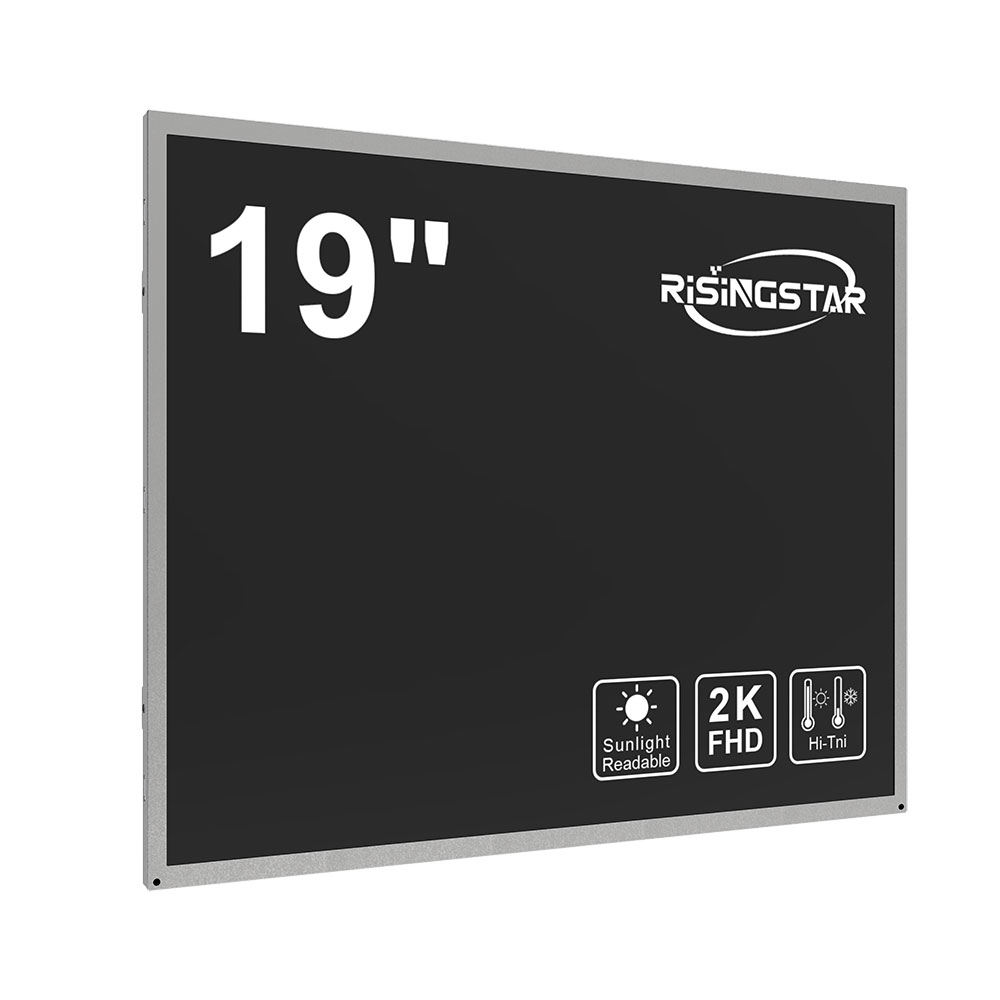
Advantages of industrial LCDs include superior contrast ratios (often 1000:1 or higher), wide viewing angles (up to 178°), and long operational lifespans (typically 50,000+ hours). Modern IPS (In-Plane Switching) technology enhances color accuracy and reduces image distortion—a key benefit for diagnostic equipment and monitoring systems. Moreover, many industrial displays now support touch functionality, including glove-compatible capacitive touch, which improves usability in harsh environments.
Common problems include backlight degradation over time, especially in high-temperature settings, and poor performance under thermal stress if the display lacks proper heat dissipation design. Another frequent issue is reduced lifespan due to inadequate power management—some manufacturers fail to implement low-power standby modes, leading to accelerated wear. Additionally, compatibility issues may arise when integrating older LCD modules into new control systems, particularly if they lack standardized interfaces like LVDS or MIPI.
The latest trends in industrial LCDs focus on energy efficiency, smart integration, and AI-enhanced diagnostics. Newer models incorporate adaptive brightness control powered by ambient light sensors, reducing power consumption by up to 30%. Some vendors now offer displays with built-in edge computing capabilities—allowing local processing of sensor data without relying on cloud infrastructure. Furthermore, OLED-based industrial displays are gaining traction due to their faster response times and deeper blacks, though they remain more expensive than traditional LCDs. According to a 2023 report by MarketsandMarkets, the global industrial LCD market is projected to grow at a CAGR of 7.2% through 2028, driven by demand in automotive manufacturing and smart grid technologies.
When selecting an industrial LCD, prioritize certifications such as MIL-STD-810G for shock and vibration resistance, and ensure the display meets IEC 60068 standards for environmental testing. Always request sample units for real-world validation—especially in extreme temperature cycles or high-dust environments—to avoid costly field failures.
上一篇:How to Choose the Right LCD Display for Industrial Applications
下一篇:IK10 Industrial LCD Display Solutions for Harsh Environments