LCD Strip Screen Series Overview: Sizes, Applications, and Industry Trends
The LCD strip screen series has become a cornerstone in modern display technology, offering versatile solutions for diverse industries such as retail, industrial automation, public transportation, and digital signage. These screens are characterized by their long, narrow form factor—often referred to as "strip" or "bar" displays—which allows for flexible integration into space-constrained environments while delivering high brightness, wide viewing angles, and reliable performance.
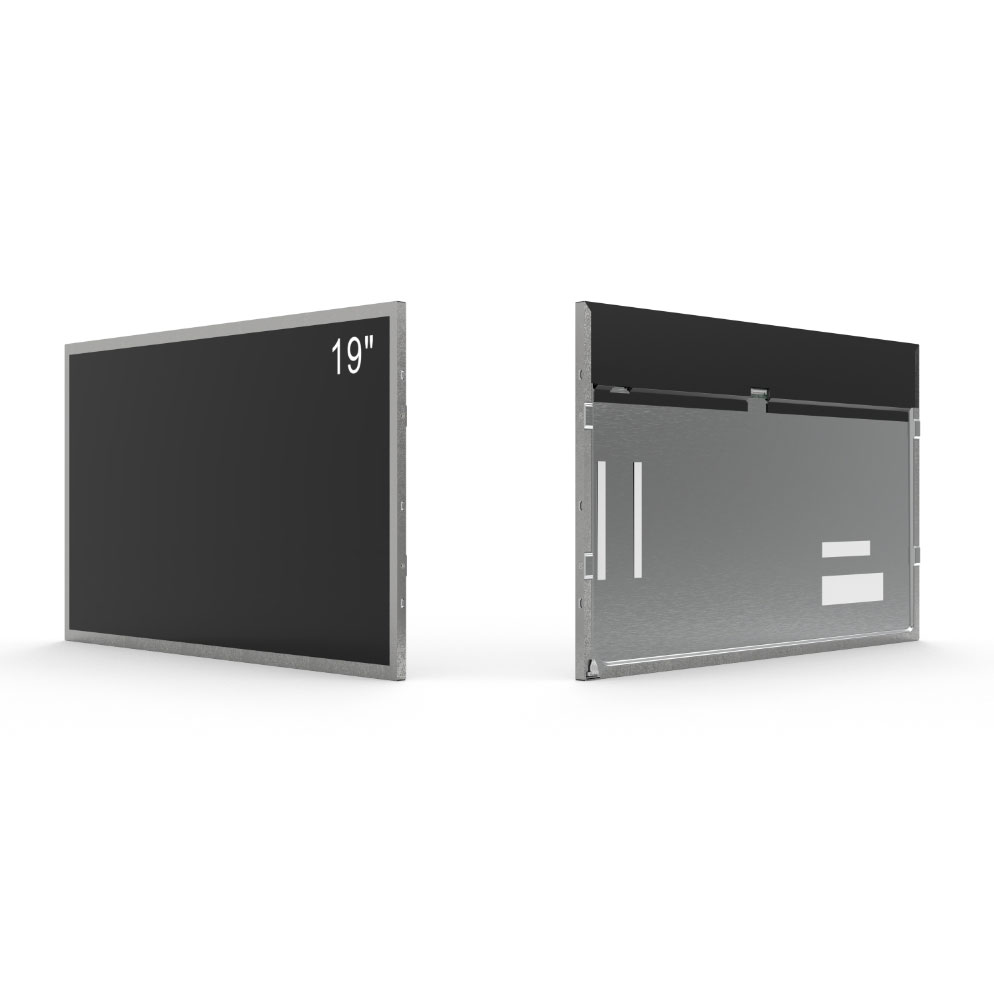
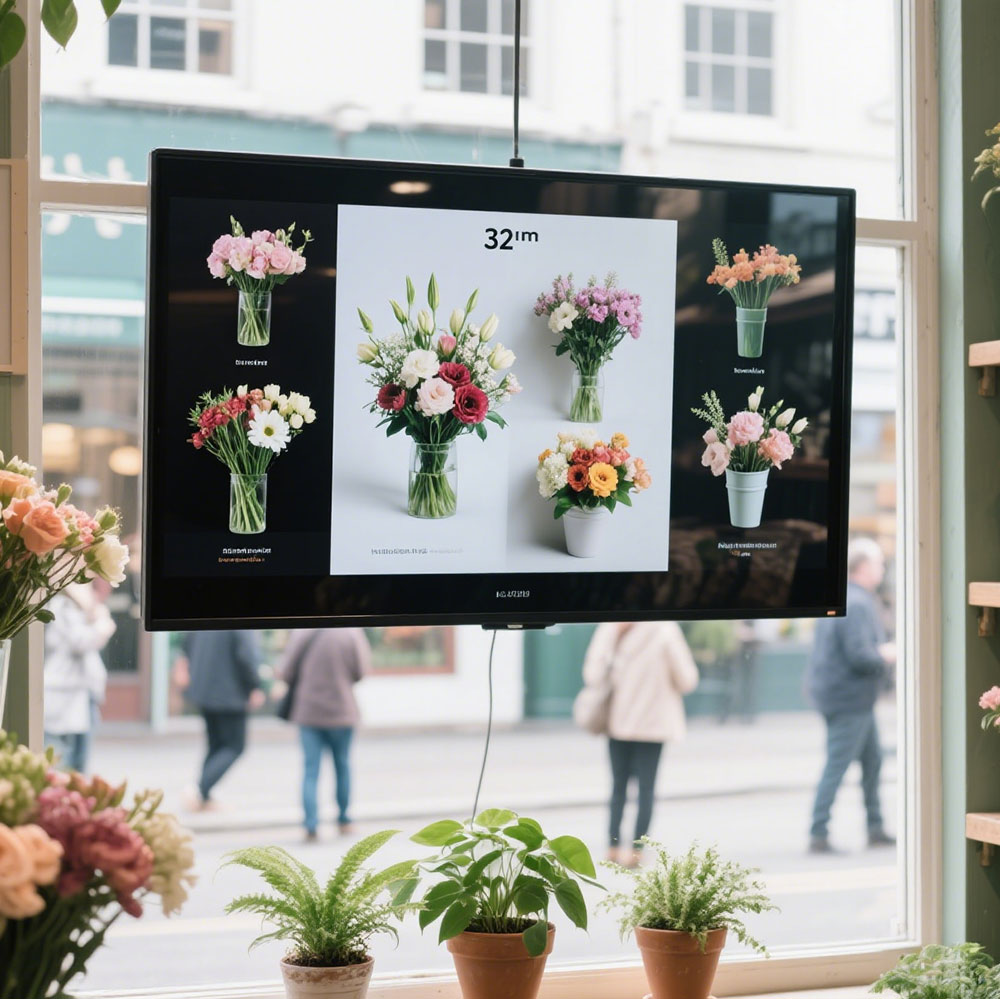
Common sizes in the strip screen series range from 14.1 inches to 86 inches, including popular models like 19", 21.2", 28.6", 37", 48.5", and 58.6". Each size is optimized for specific use cases: smaller formats (e.g., 14.1"–23.1") are ideal for embedded systems and point-of-sale terminals; mid-range strips (28"–43") serve kiosks, medical equipment, and control panels; while large formats (48"–86") are used in outdoor advertising, smart city infrastructure, and industrial monitoring systems.
Manufacturers such as LG, Samsung, AU Optronics, and BOE have invested heavily in improving luminance (up to 5000 cd/m²), contrast ratios (up to 10,000:1), and durability (IP65-rated enclosures). Many models now feature LED-backlit panels, IPS or VA technologies, and support for both HDMI and DisplayPort inputs. Environmental testing shows that these screens can operate reliably under extreme conditions—from -30°C to 60°C—making them suitable for harsh industrial settings.
Customer feedback highlights consistent uptime (>99.5% annual availability) and energy efficiency (typically<100W per unit), which makes the strip screen series a cost-effective choice for 24/7 operations. In retail, they enhance customer engagement through dynamic content; in manufacturing, they enable real-time process visibility. With ongoing advancements in AI-driven content management and modular design, the future of strip screens looks increasingly adaptive, scalable, and intelligent.