LCD (Liquid Crystal Display) technology continues to dominate the global display market due to its energy efficiency, clarity, and cost-effectiveness. Among the most widely used aspect ratios in modern LCD panels is 16:9, which aligns perfectly with high-definition video content, gaming, and productivity workflows. This ratio ensures optimal compatibility across a broad range of devices—from consumer electronics to professional monitors and industrial displays.
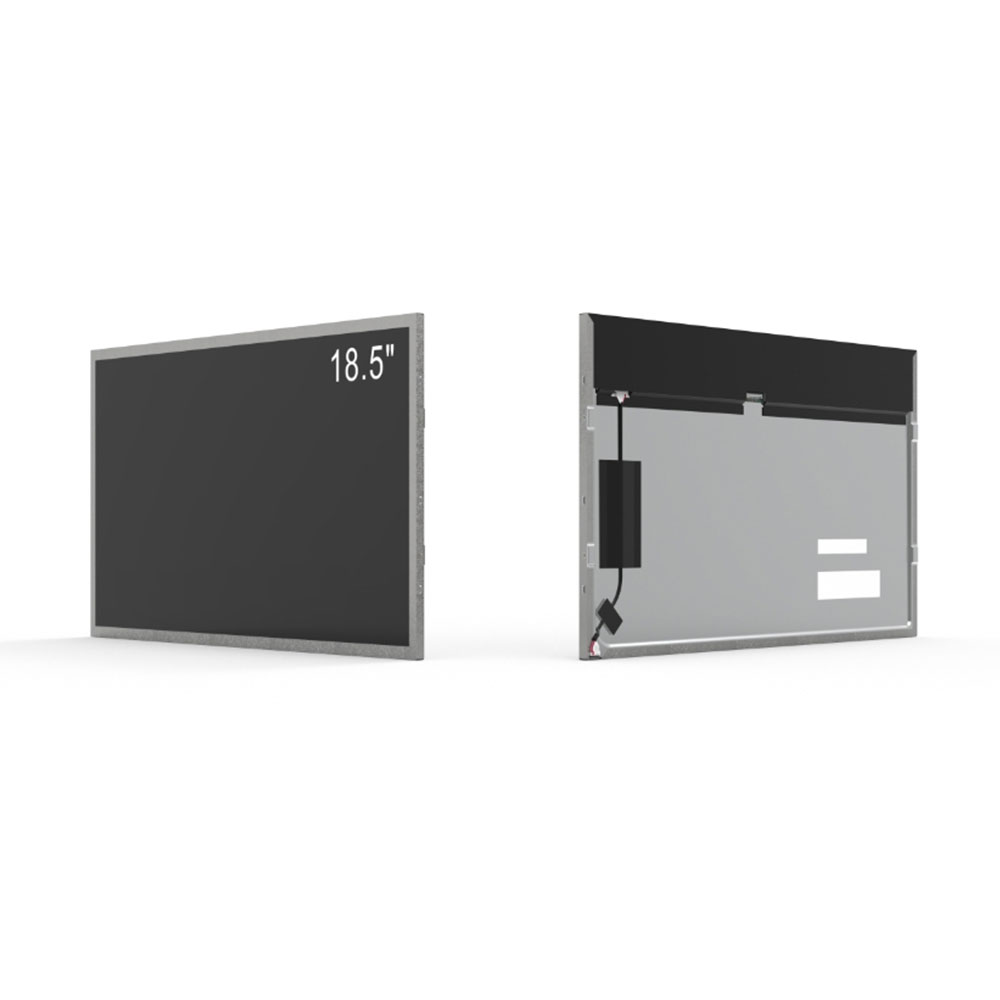
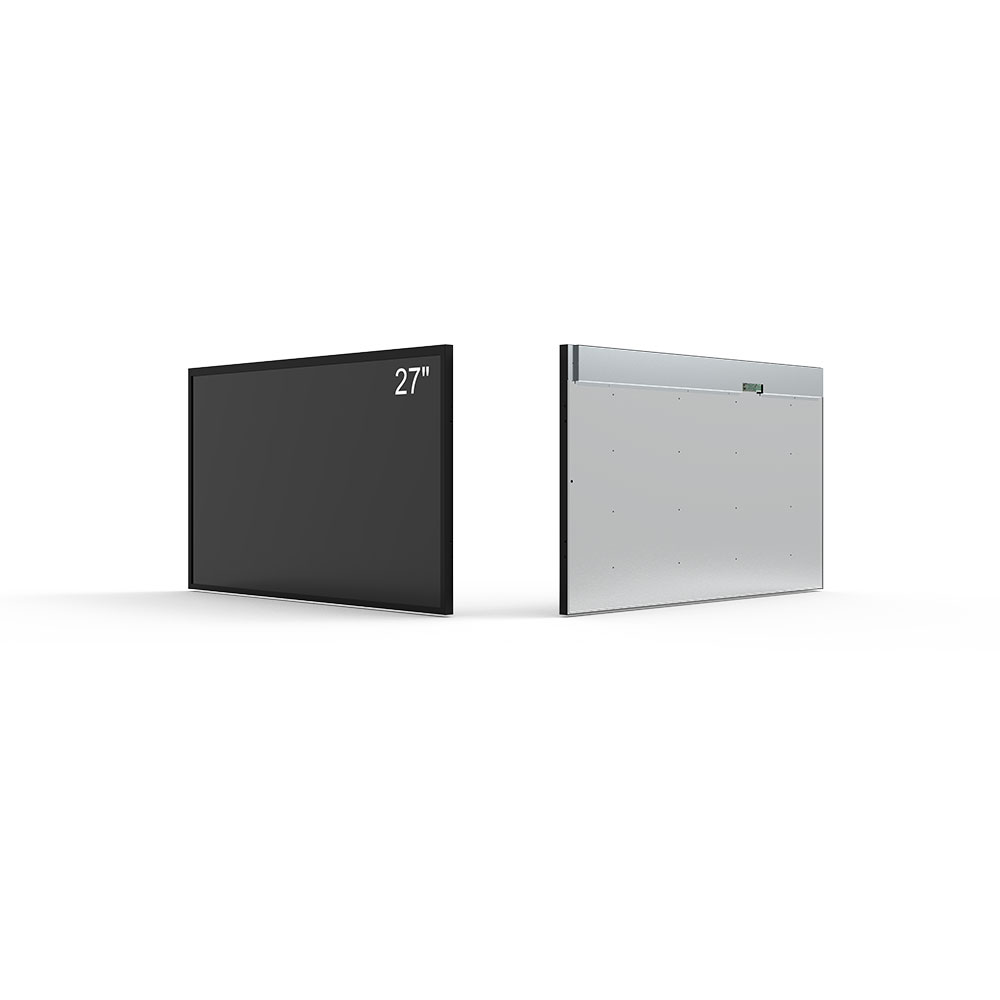
Common LCD screen sizes that adhere to the 16:9 ratio include 10.1 inches, ideal for portable tablets and embedded systems; 13.3 inches, often found in laptops and digital signage units; 15.6 inches, a popular choice for budget-friendly laptops and desktop replacements; and 18.5 inches, frequently used in basic office monitors and home entertainment setups. As screen size increases, so do the applications: 21.5-inch displays are standard in entry-level desktops, while 23.8-inch and 27-inch screens offer enhanced multitasking capabilities and immersive viewing experiences—perfect for creative professionals and gamers.
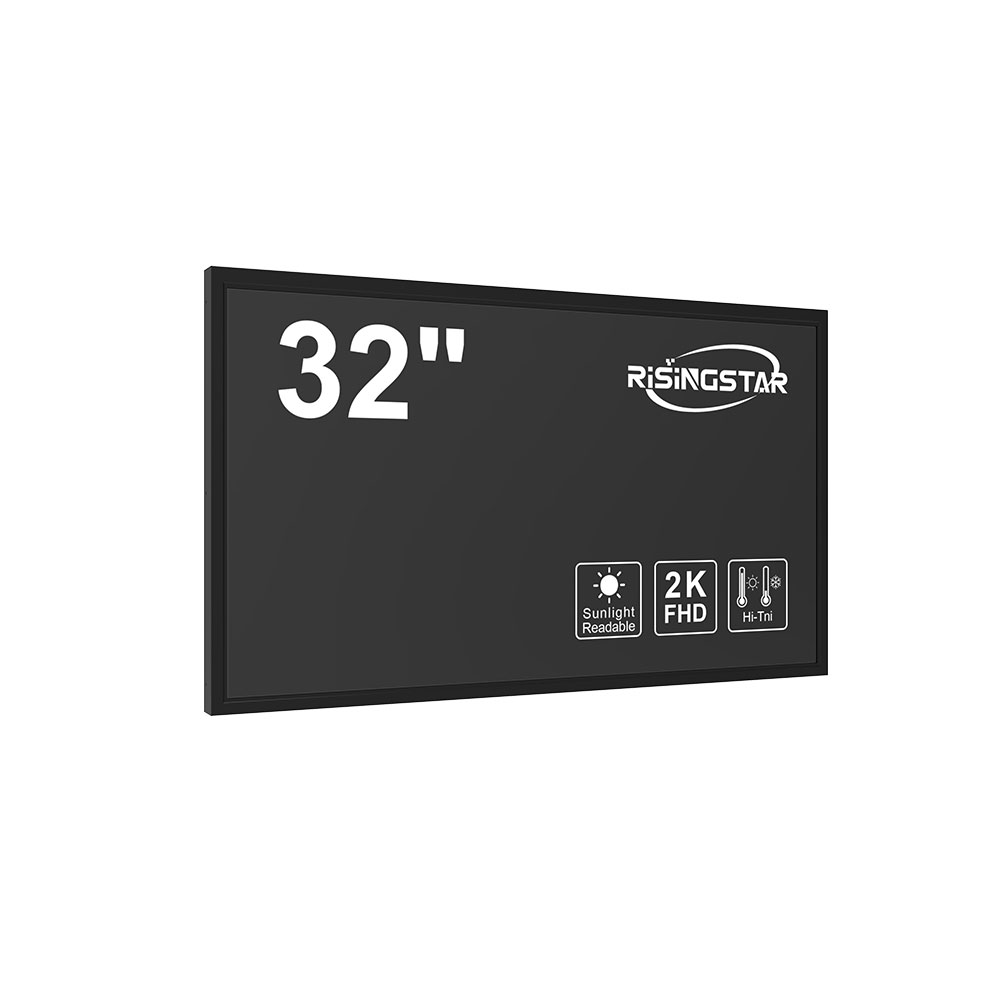
For commercial and enterprise use, larger LCD panels such as 32-inch, 43-inch, and 46-inch models provide exceptional visibility in retail environments, conference rooms, and control centers. The 49-inch ultra-wide 16:9 panel is gaining traction in dual-monitor configurations, offering seamless extended desktop space without bezel interruptions. At the high end, 55-inch, 65-inch, and even 75-inch displays serve as interactive kiosks, digital signage, and smart classroom solutions, while 86-inch and 98-inch panels are commonly deployed in public spaces like airports, hospitals, and corporate lobbies. For massive installations, 110-inch displays support large-format digital art, event projections, and command-and-control operations.
These sizes are not arbitrary—they follow international standards such as VESA mounting specifications and HDMI/DisplayPort compatibility protocols. Manufacturers like LG, Samsung, and AU Optronics produce certified panels in these dimensions, ensuring uniform performance, brightness levels (typically 250–500 nits), and contrast ratios (e.g., 3000:1 or higher). Environmental testing data from UL and CE certifications confirms robust performance under temperature variations (-20°C to +60°C) and humidity conditions (10–90% RH).
Whether you're selecting a monitor for work, a TV for home entertainment, or a display for industrial automation, choosing the right 16:9 LCD screen size ensures optimal user experience, ergonomic comfort, and system integration efficiency.