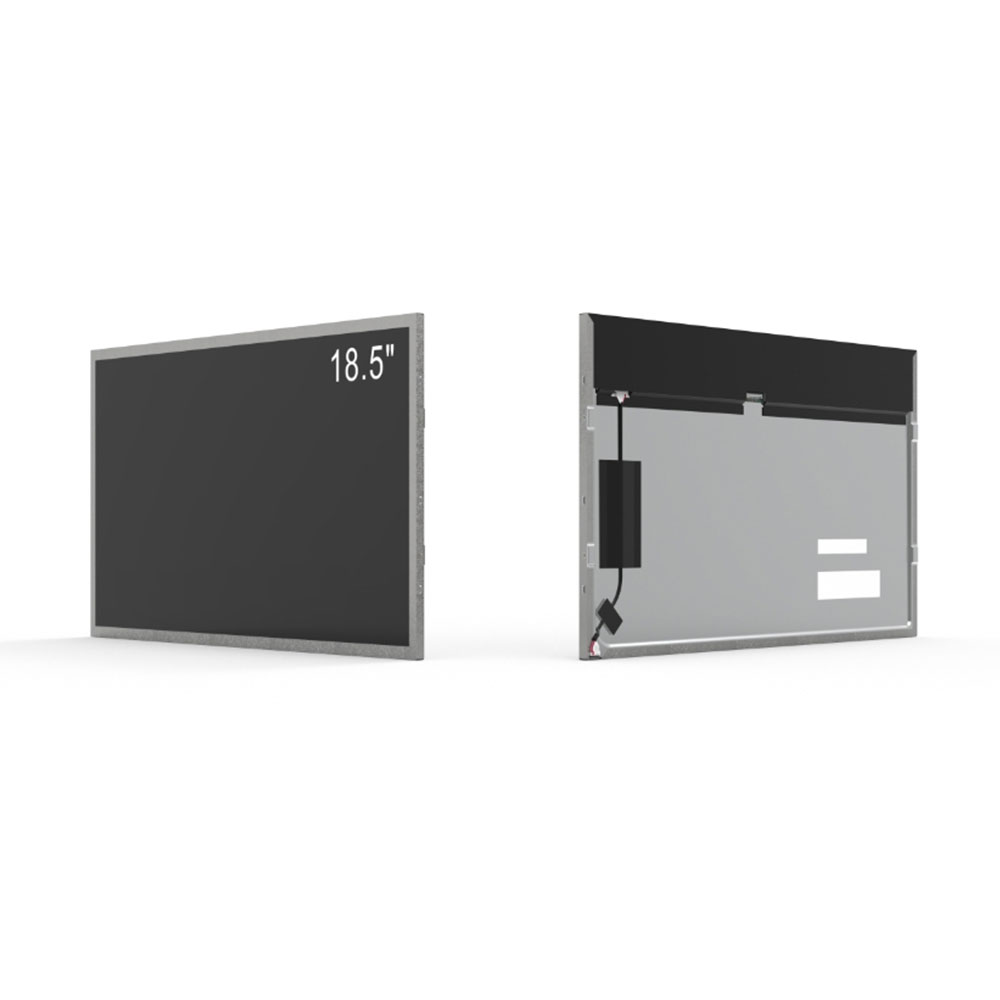
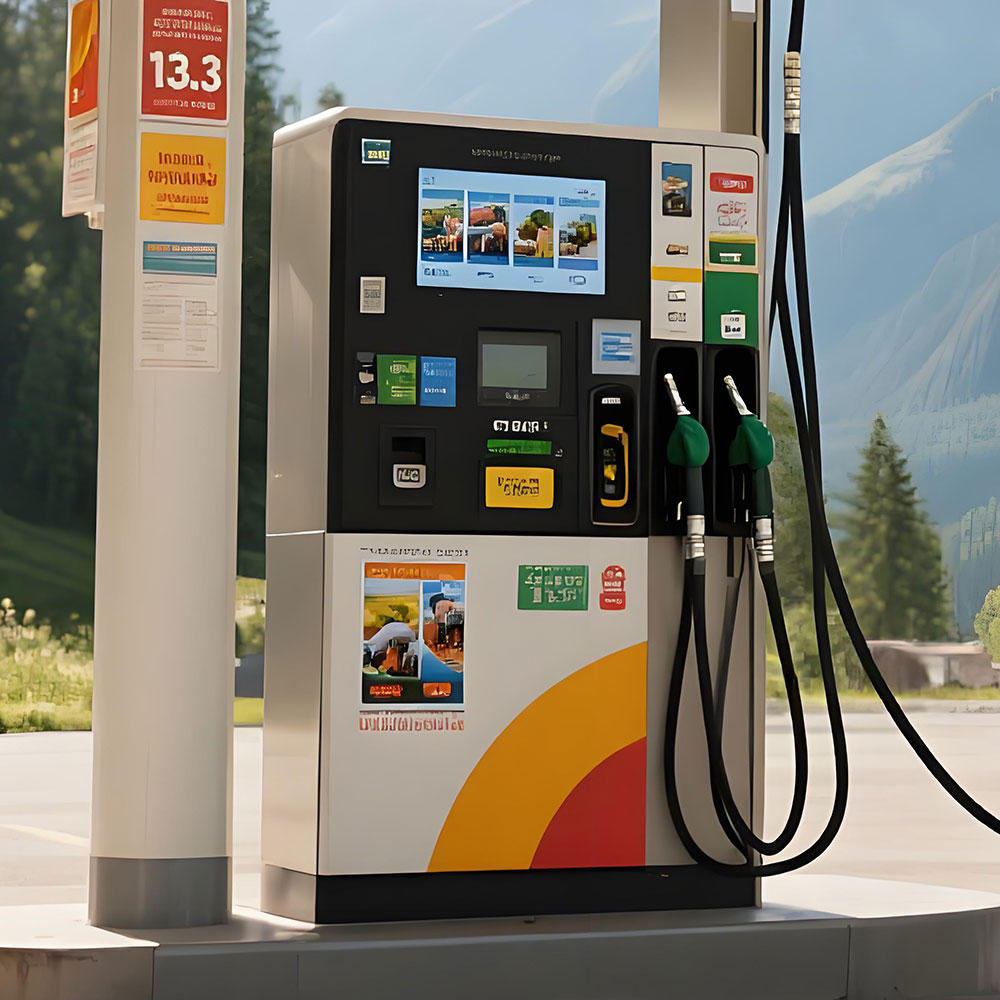
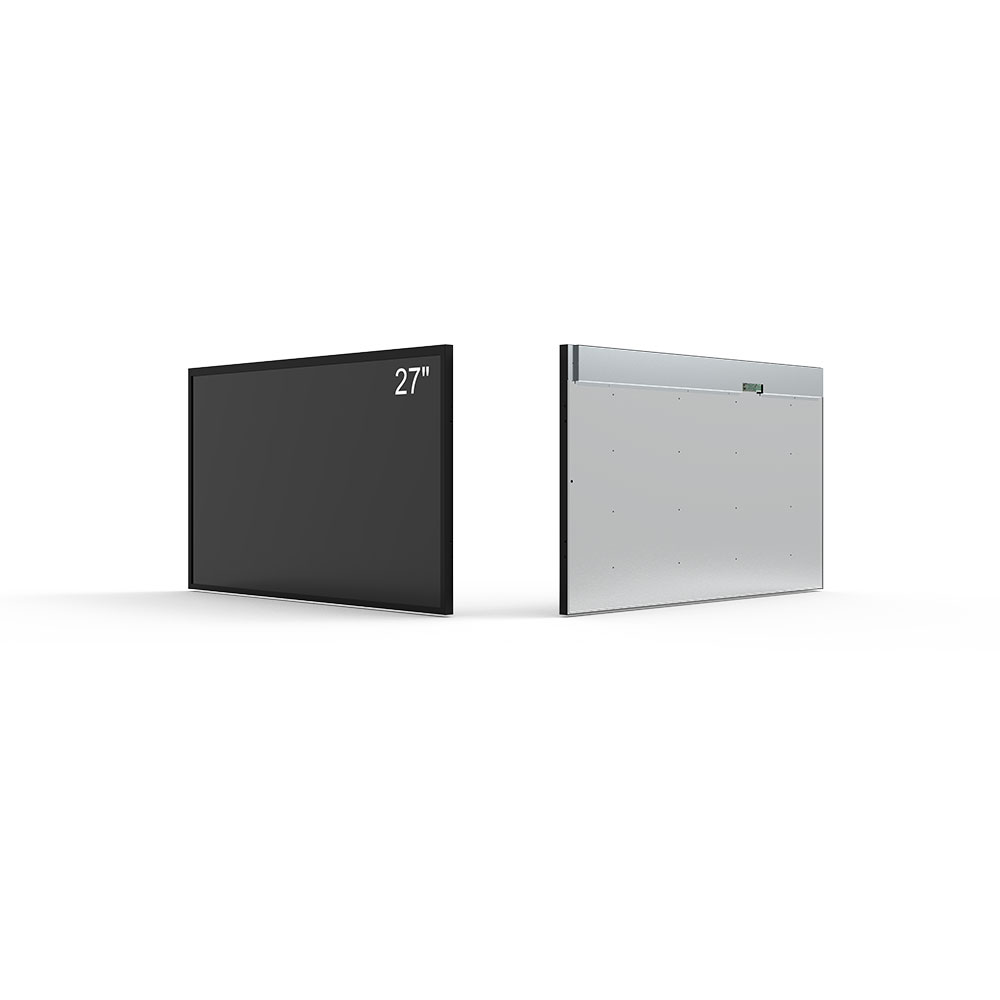
Selecting the appropriate LCD display for industrial applications demands a comprehensive understanding of environmental conditions, operational requirements, and long-term reliability. Unlike consumer-grade displays, industrial LCDs must withstand extreme temperatures, mechanical vibrations, humidity, and prolonged exposure to sunlight—factors that significantly impact performance and lifespan. According to the IPC-610 standard for electronic assemblies, industrial-grade components must meet stringent quality benchmarks, including MIL-STD-810 for environmental durability.
For example, in manufacturing environments, displays must operate reliably between -30°C and +70°C. High-brightness panels (typically 1000 cd/m² or higher) are essential in outdoor or brightly lit settings such as construction sites or transportation hubs. In contrast, low-power consumption displays are preferred in battery-operated devices like handheld diagnostic tools or portable control units.
Manufacturers often use TN (Twisted Nematic), IPS (In-Plane Switching), or VA (Vertical Alignment) technologies. IPS panels offer superior color accuracy and wide viewing angles, making them ideal for human-machine interfaces (HMIs) in automation systems. Meanwhile, TN panels provide faster response times but limited viewing angles—suitable for simple status indicators.
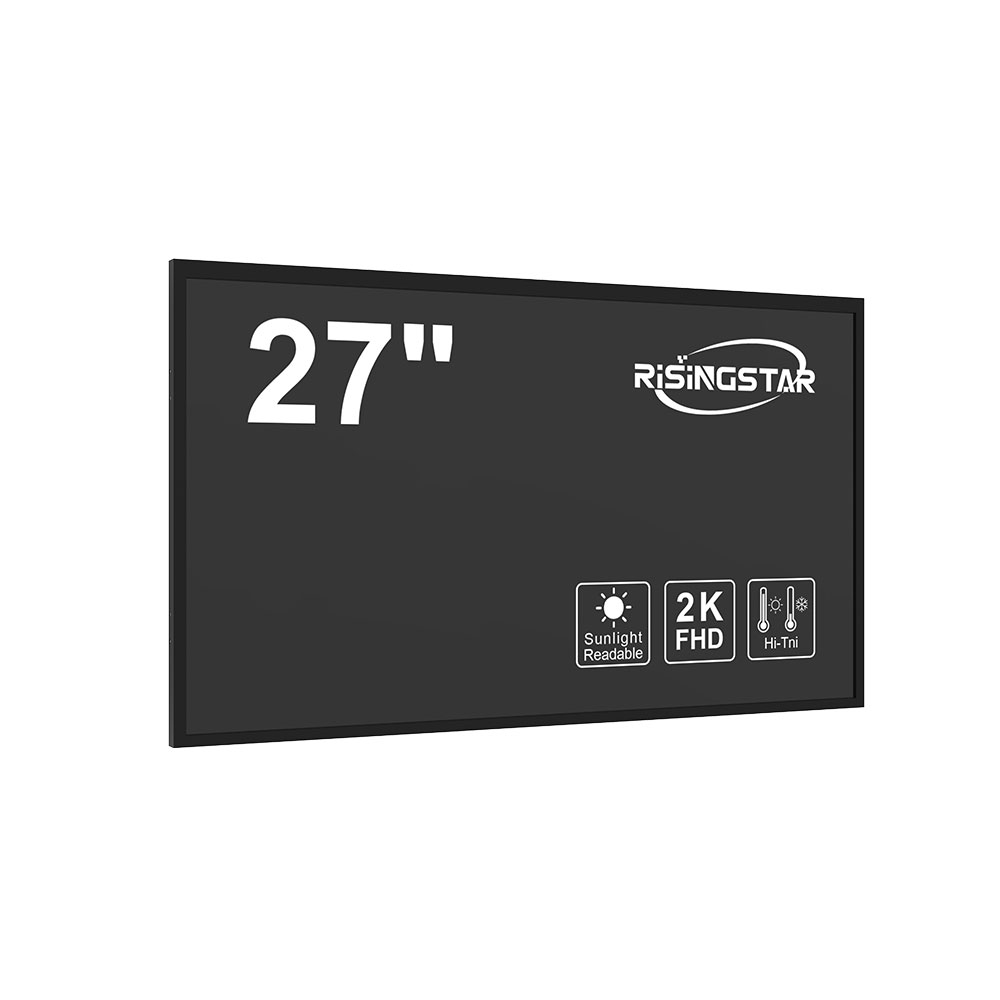
Reliability metrics such as Mean Time Between Failures (MTBF) should exceed 50,000 hours for mission-critical applications. Industry reports from MarketsandMarkets (2023) indicate that demand for ruggedized LCDs in oil & gas, medical, and defense sectors is growing at 8.4% CAGR. Customer reviews on platforms like Digi-Key and Mouser highlight consistent performance of brands such as Sharp, LG, and AU Optronics under real-world stress tests.
Additionally, compliance with international standards like CE, RoHS, and IP65/IP67 ratings ensures safety and dust/water resistance. For instance, an IP67-rated display can survive immersion in 1 meter of water for 30 minutes—a critical feature in food processing or marine environments.
Ultimately, selecting the right LCD requires balancing technical specs with application-specific needs, ensuring both performance consistency and lifecycle cost efficiency.