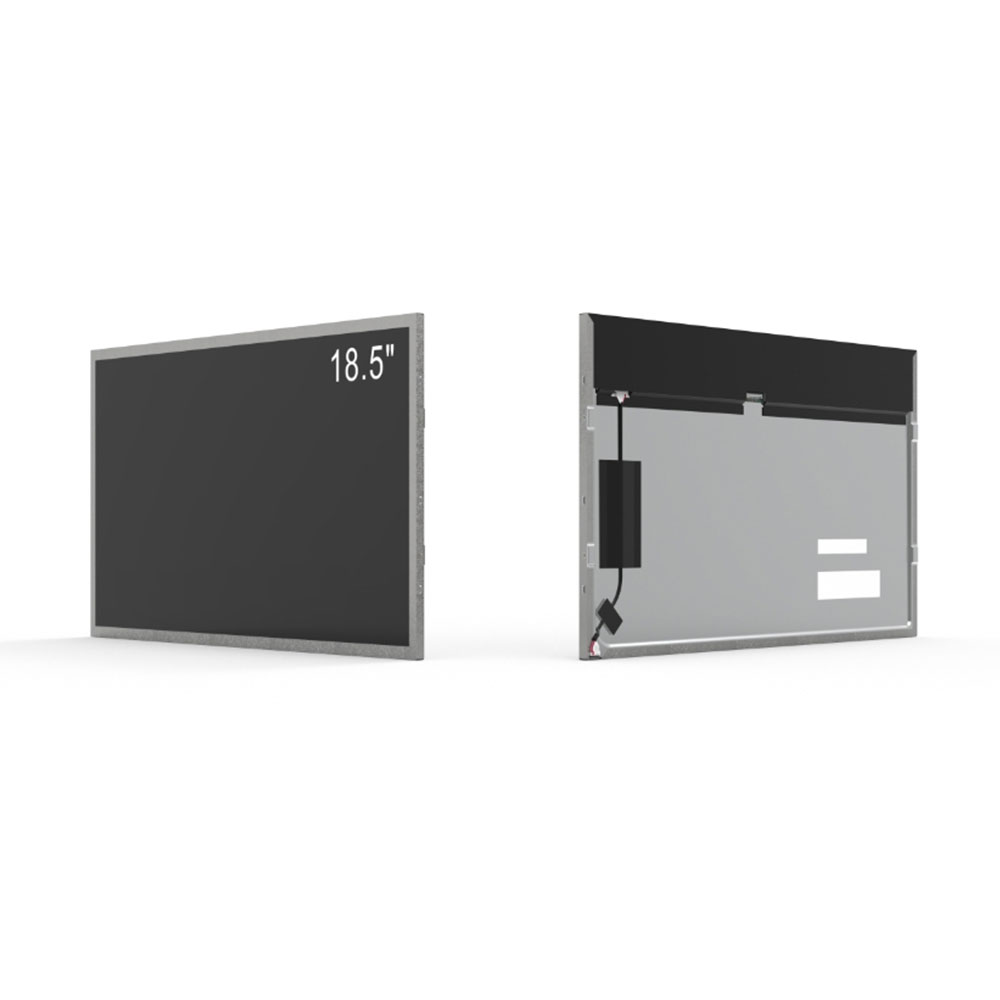
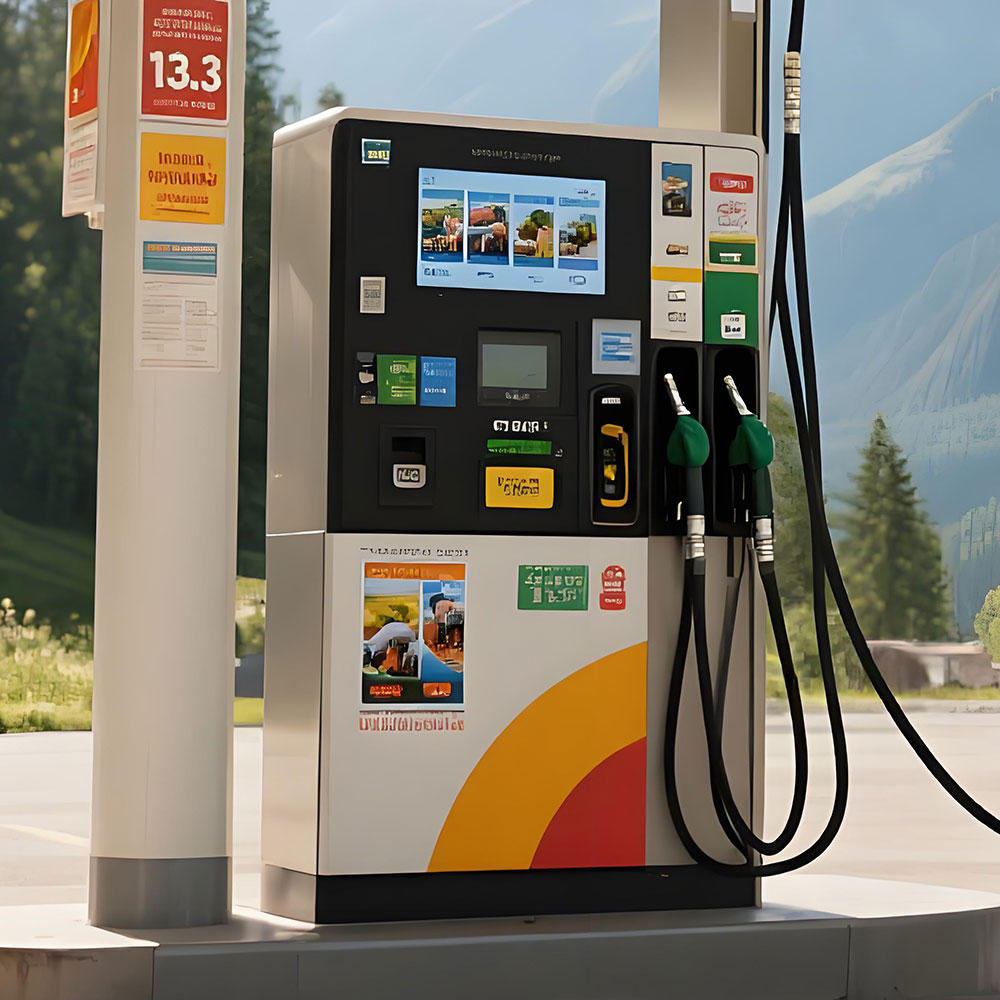
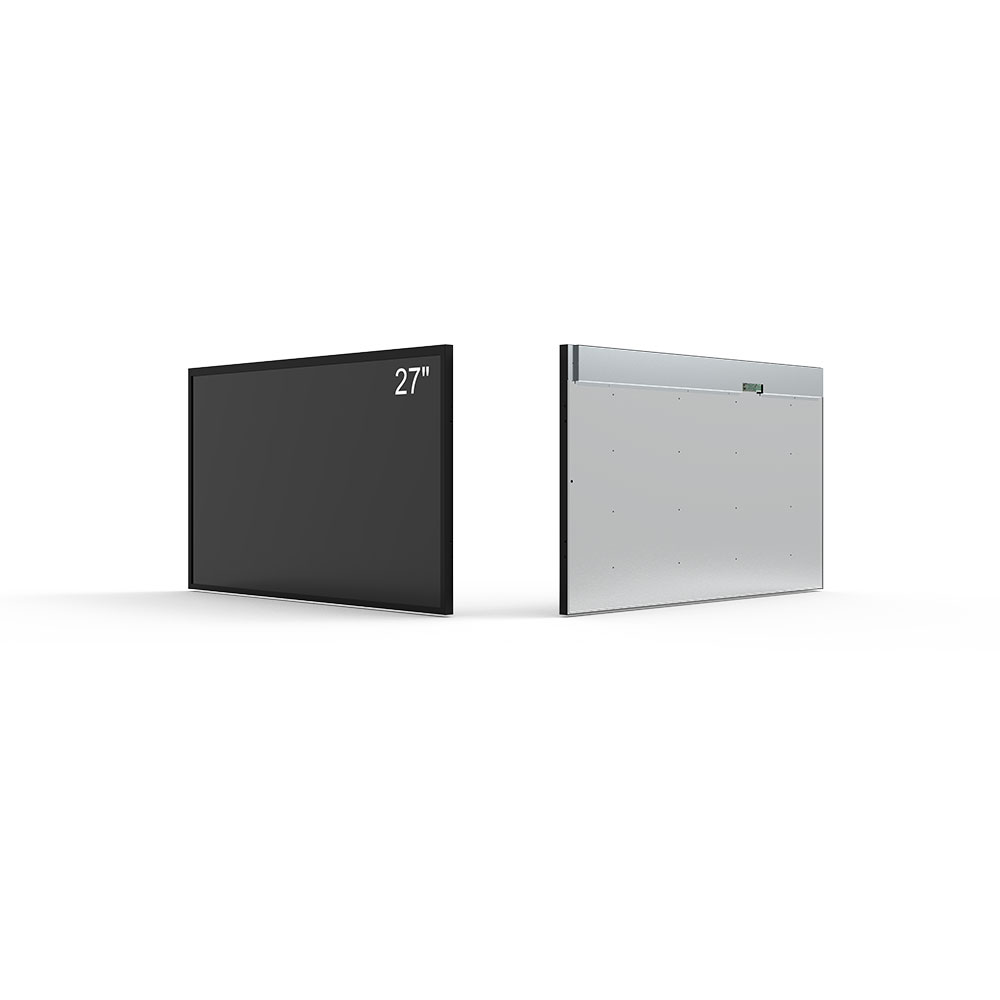
When selecting an LCD display for industrial applications, it's essential to consider not only image quality and size but also environmental resilience, power efficiency, and long-term reliability. Industries such as manufacturing, transportation, medical equipment, and automation rely heavily on LCDs for control interfaces, real-time monitoring, and data visualization. For example, in automotive assembly lines, high-brightness TFT-LCDs are used to display diagnostic information under direct sunlight, while in hospitals, ruggedized LCDs with anti-glare coatings support critical patient monitoring systems.
One of the key advantages of modern industrial-grade LCDs is their wide operating temperature range—from -30°C to +70°C—making them suitable for extreme environments like cold storage facilities or outdoor construction sites. These displays often comply with IP65 or higher ratings, offering protection against dust and water ingress. Moreover, advancements in LED backlighting have improved energy efficiency by up to 40% compared to older CCFL technologies, reducing operational costs in energy-sensitive applications.
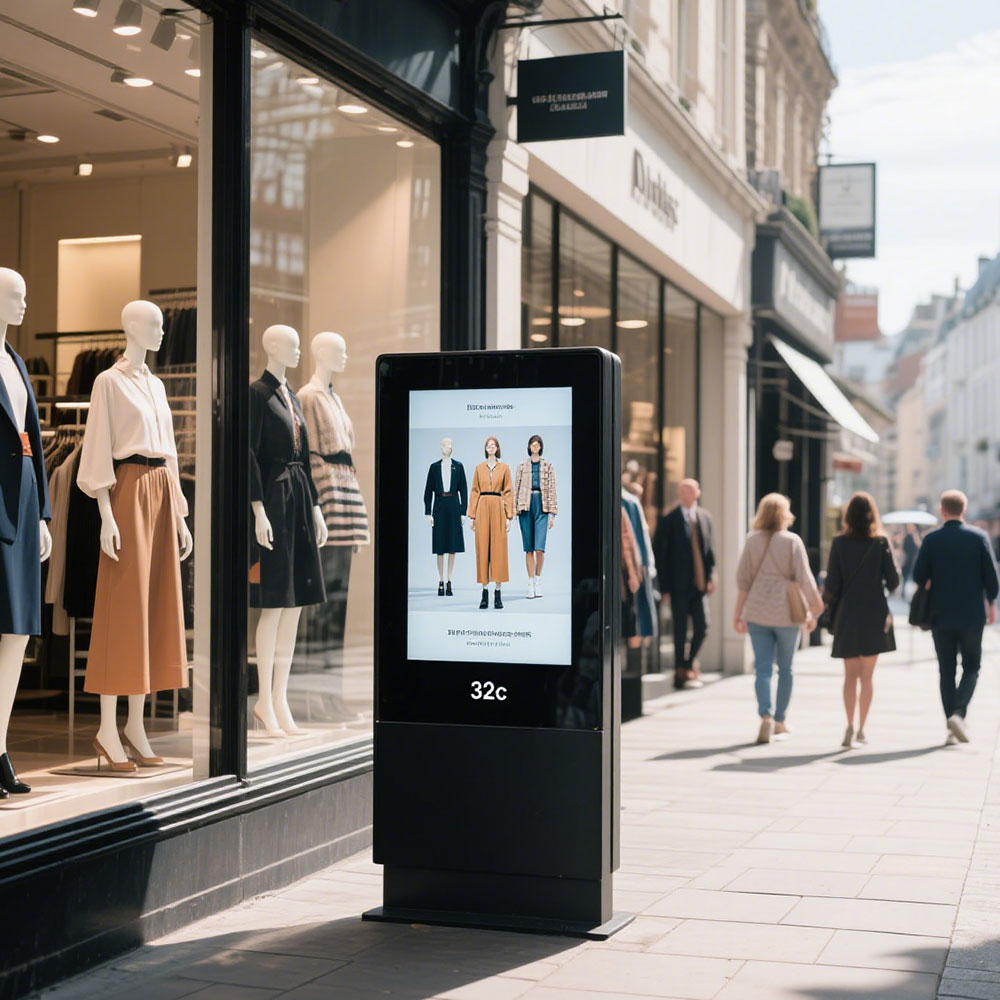
However, common problems persist, including screen burn-in from static images, reduced contrast in low-light conditions, and limited lifespan due to constant use. Manufacturers now address these issues through features like pixel-shifting algorithms, automatic brightness adjustment, and OLED-compatible LCD panels that offer better longevity and dynamic range. Additionally, the latest trend in industrial LCDs is the integration of touch functionality with multi-touch support, enabling intuitive user interaction even in gloves or harsh conditions.
Leading brands like Sharp, LG, and Innolux continue to innovate with ultra-low power consumption models (under 5W) and 4K resolution options tailored for smart factory solutions. According to a 2023 report by MarketsandMarkets, the global industrial LCD market is projected to grow at a CAGR of 6.8% through 2028, driven by Industry 4.0 adoption and demand for human-machine interface (HMI) enhancements. When choosing an industrial LCD, always verify compliance with MIL-STD-810G for shock and vibration resistance, and ensure compatibility with existing control systems like PLCs or embedded Linux platforms.