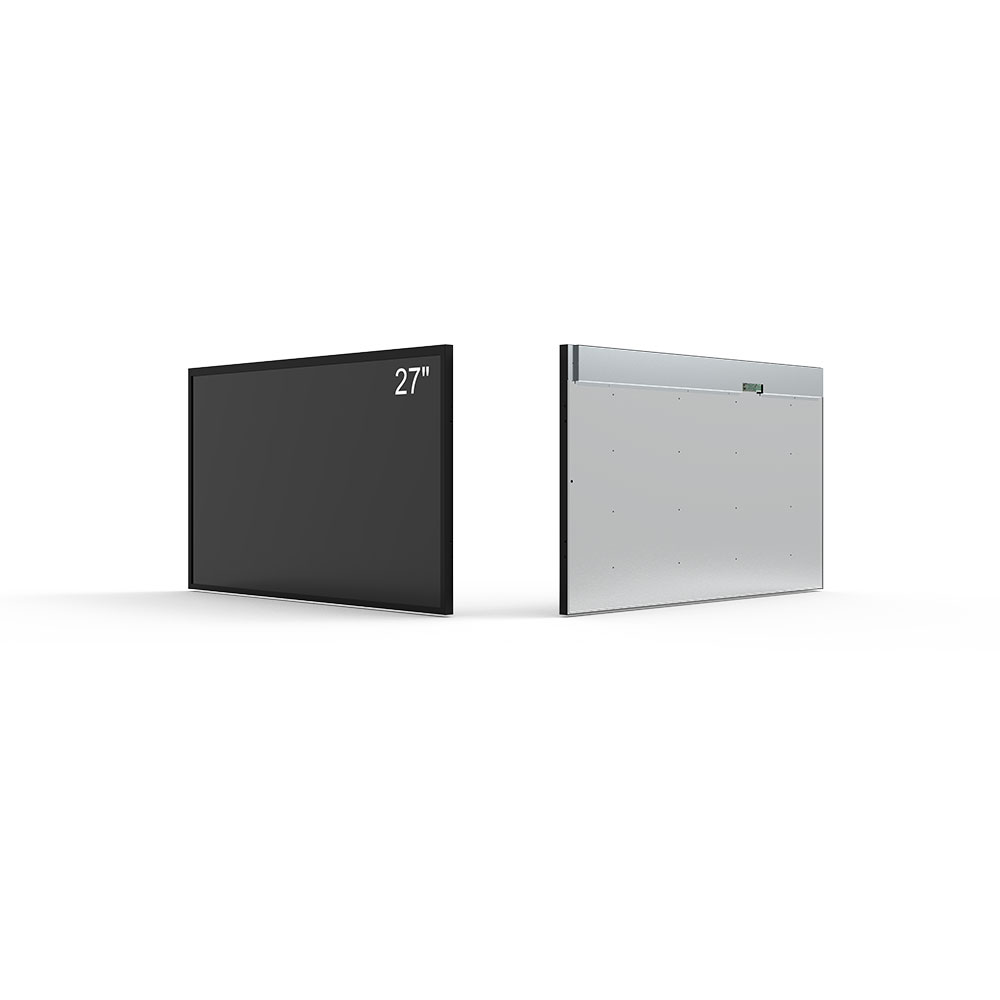
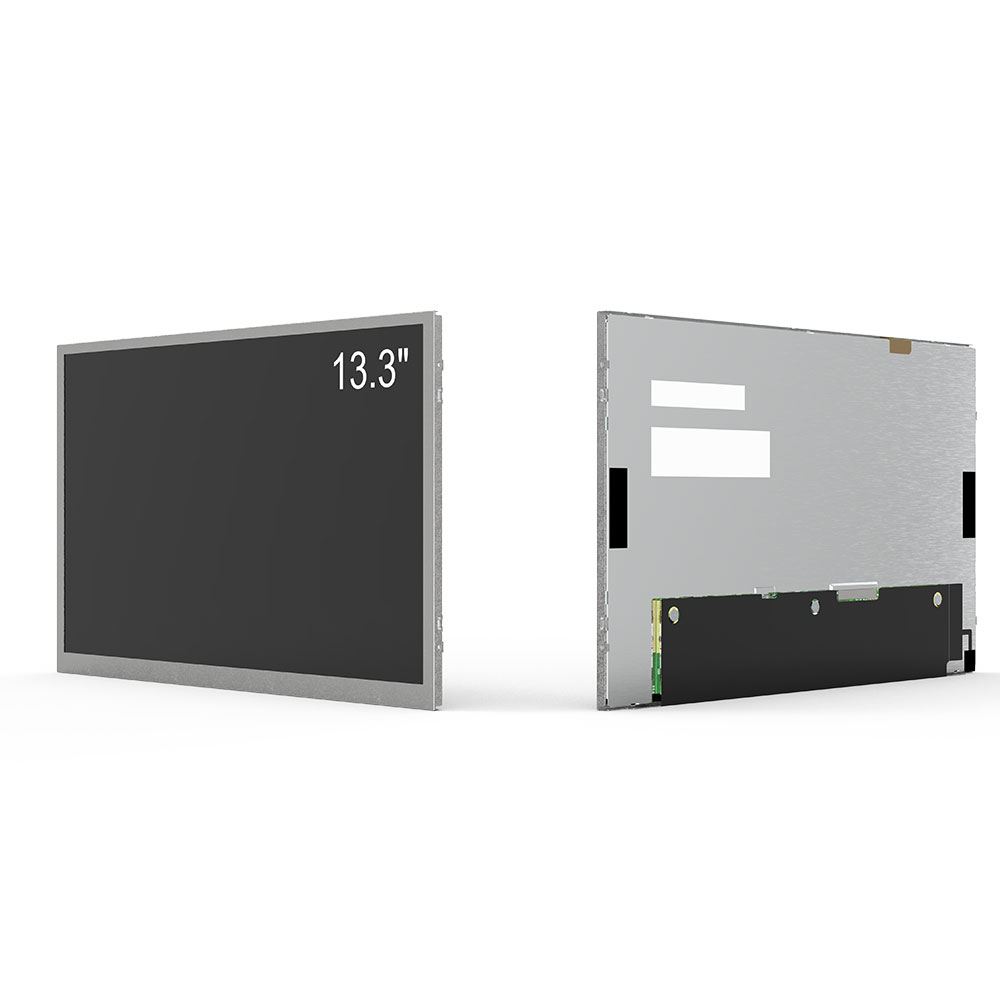
In today’s rapidly evolving digital landscape, industrial-grade LCD displays have become essential components across a wide range of sectors—from public transportation to retail and energy infrastructure. These displays are specifically engineered to operate reliably under extreme environmental conditions, making them ideal for applications such as passenger information systems in railways, buses, trains, subways, and intercity rail networks. Unlike consumer-grade screens, industrial LCDs are built with ruggedized materials, wide operating temperature ranges (-20°C to 60°C), high brightness (up to 5000 nits for outdoor visibility), and enhanced durability against vibration, humidity, and dust ingress (IP65 or higher ratings).
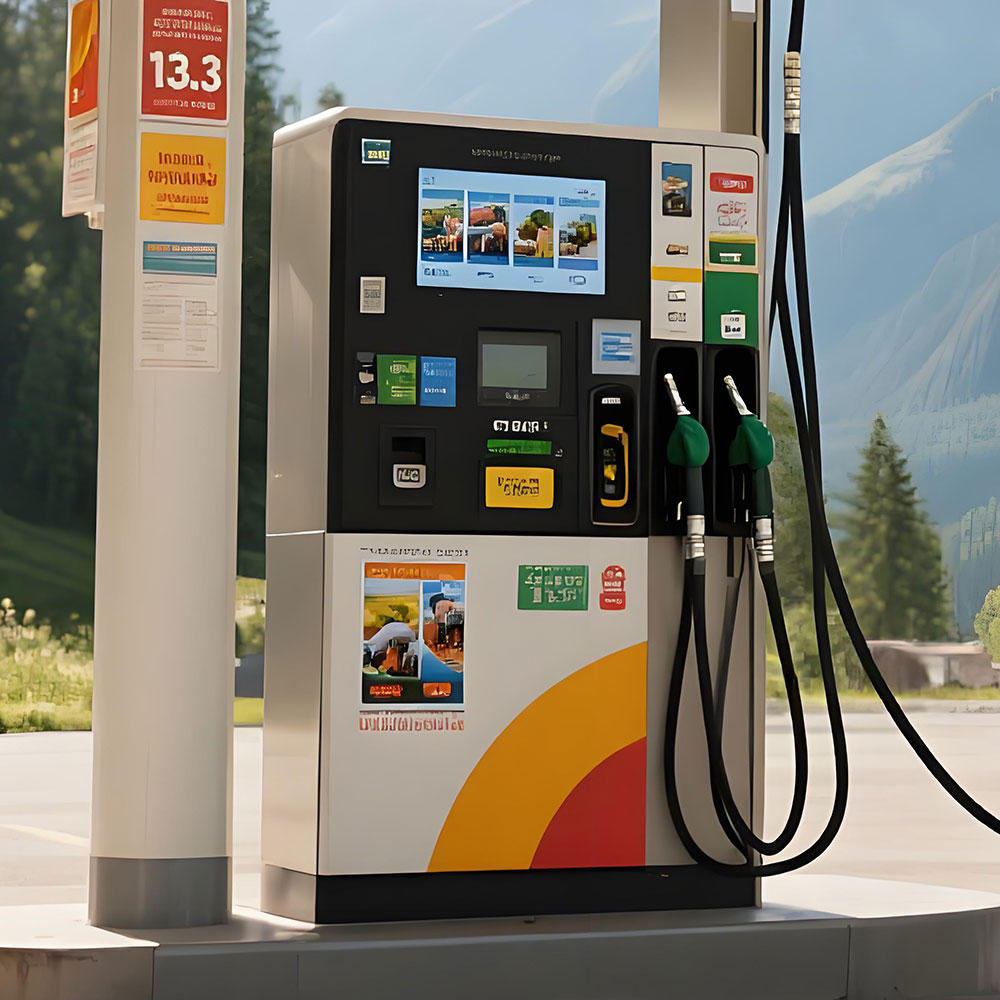
For example, in transit environments like subway stations or bus terminals, real-time arrival updates, safety notices, and service alerts must be visible even under direct sunlight or during harsh weather. Industrial LCDs used in these settings often feature anti-glare coatings, tempered glass, and LED backlighting that maintains performance over time. In EV charging kiosks and gas pumps, where exposure to UV radiation, temperature fluctuations, and frequent physical contact is common, these displays offer long-term reliability and minimal maintenance needs.
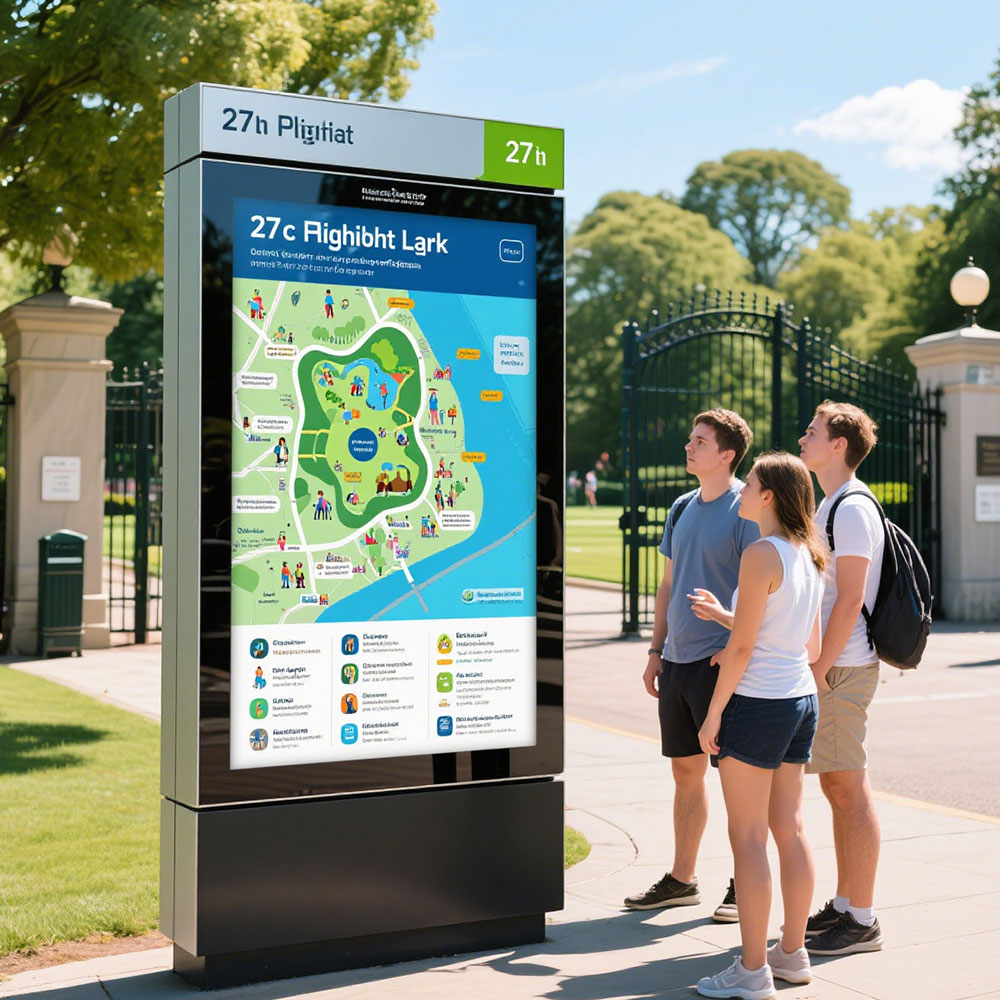
Outdoor digital signage, whether in urban plazas or highway rest stops, demands not only high luminance but also resistance to moisture, corrosion, and vandalism. Similarly, in real estate and retail environments, digital signage powered by industrial LCD panels ensures consistent message delivery across multiple locations—even in high-footfall areas where constant uptime is critical. Brands like LG, Sharp, and Samsung have developed certified industrial display modules compliant with MIL-STD-810G standards, ensuring resilience in demanding use cases.
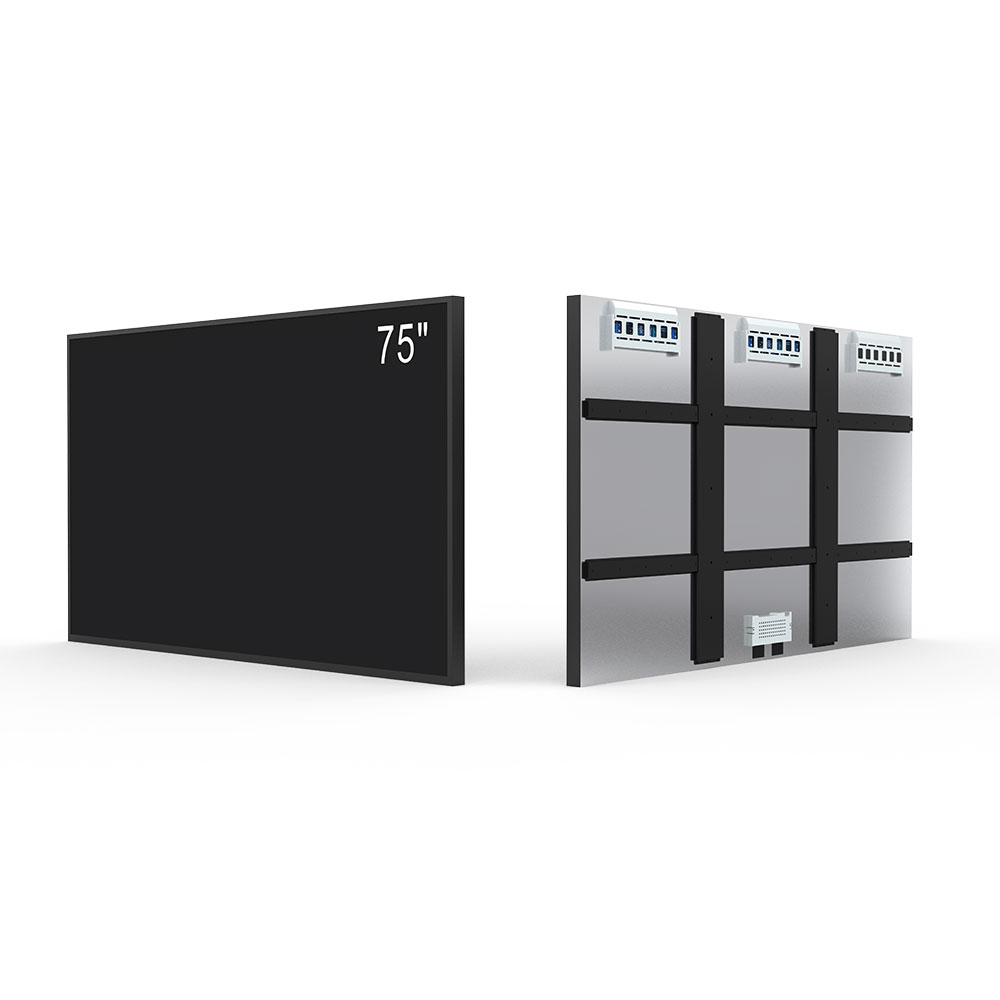
Recent case studies from major transit authorities in Europe and Asia show that switching to industrial-grade LCDs reduced system downtime by up to 70% compared to legacy solutions. Moreover, energy-efficient designs (often meeting ENERGY STAR or EPEAT criteria) make these displays cost-effective over their 10–15-year lifespan. As smart cities expand and digital transformation accelerates, the demand for robust, scalable, and future-proof display technology continues to grow—making industrial LCDs not just an option, but a necessity.