In today’s rapidly evolving digital landscape, high-performance LCD displays are essential across a wide range of industries—from public transportation to retail and energy infrastructure. These displays are engineered to operate reliably in demanding environments, ensuring clear visibility, durability, and long-term performance under extreme conditions.
For passenger information systems in railways, buses, trains, subways, and intercity rail networks, LCDs must deliver real-time updates in bright sunlight and low-light settings while resisting vibration, dust, and temperature fluctuations. Leading manufacturers now use anti-glare coatings, high-brightness panels (up to 5000 nits), and IP65-rated enclosures to meet these challenges. For example, the LG Electronics LCM series and Samsung's outdoor-ready LCD modules are widely adopted by transit authorities globally due to their proven reliability in harsh urban environments.
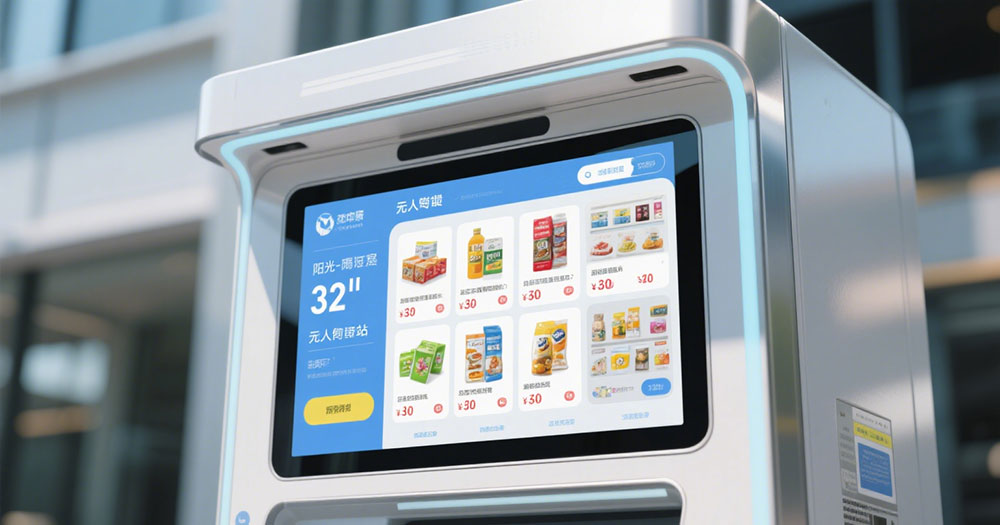
EV charging kiosks and gas pumps also rely on robust LCDs to provide intuitive user interfaces for customers. These displays must be resistant to frequent touch interactions, weather exposure, and potential vandalism. In such applications, ruggedized touchscreens with Gorilla Glass or similar materials are standard, along with industrial-grade controllers that support remote diagnostics and firmware updates—critical for fleet management and maintenance efficiency.
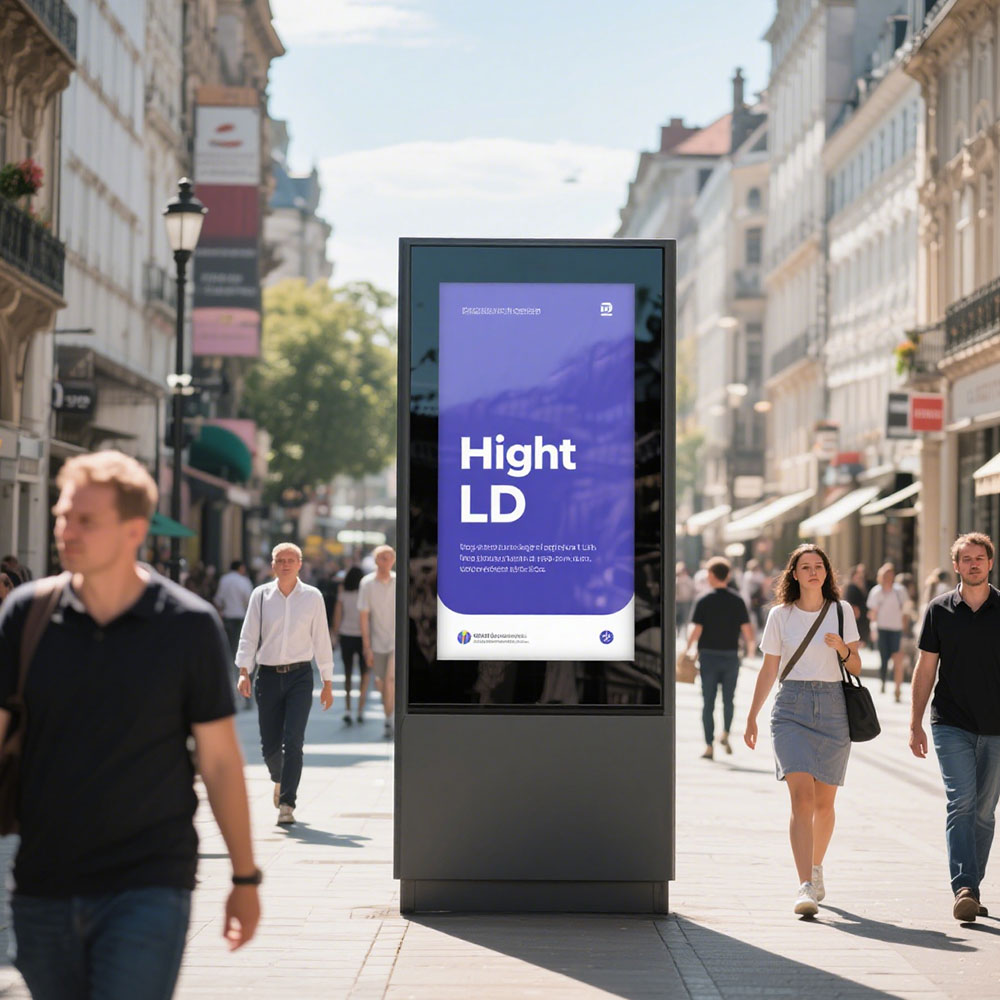
Outdoor digital signage in commercial and municipal settings requires not only high luminance but also energy-efficient operation and compatibility with automated scheduling systems. Brands like NEC and Panasonic offer LCD solutions compliant with ENERGY STAR and MIL-STD-810G standards, ensuring consistent performance in temperatures ranging from -30°C to +60°C. Real estate companies increasingly use large-format LCDs for virtual property tours and dynamic signage at open houses, while retailers deploy them for promotional content, product pricing, and customer engagement in both indoor and outdoor spaces.

Environmental testing—such as salt spray, humidity, and UV resistance—is mandatory for all outdoor LCDs. Industry reports from Display Supply Chain Consultants (DSCC) indicate that over 70% of new outdoor display deployments now specify LCDs with integrated ambient light sensors for adaptive brightness control, reducing power consumption by up to 40%. Furthermore, compliance with RoHS and REACH regulations ensures environmentally responsible manufacturing practices.
Whether deployed in a subway station in Tokyo or a gas station in Texas, modern LCD displays combine cutting-edge optics, mechanical resilience, and smart features to deliver seamless, reliable visual communication across global markets.