In the world of display technology, the 4:3 aspect ratio remains a vital standard—especially in professional, educational, and industrial environments where vertical space and precise image reproduction matter. Unlike modern widescreen formats like 16:9 or 21:9, 4:3 displays offer a more balanced view of content, making them ideal for applications such as CAD design, medical imaging, legacy software compatibility, and classroom instruction.
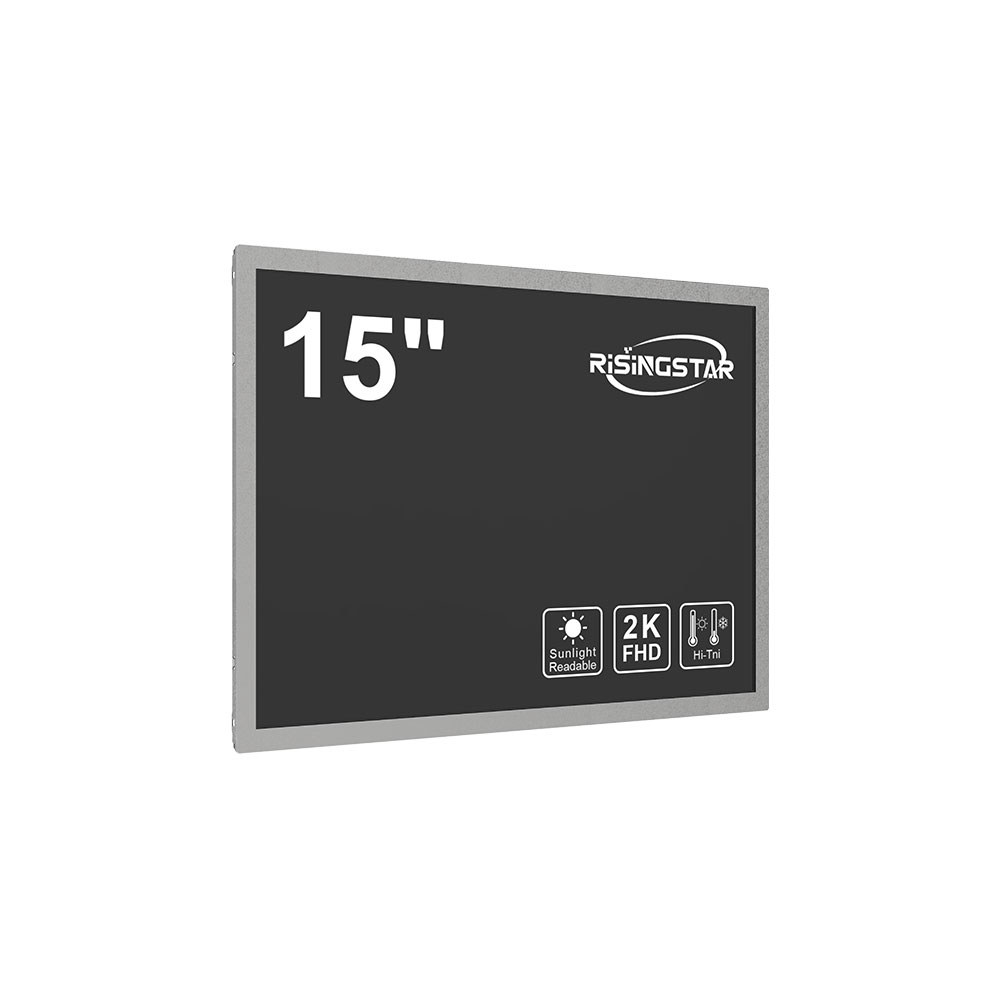
Common sizes for 4:3 LCD panels include 15-inch, 17-inch, and 19-inch models, each offering distinct advantages. A 15-inch 4:3 display is compact and energy-efficient, often used in embedded systems, point-of-sale terminals, and portable workstations. The 17-inch variant strikes a balance between screen real estate and desk footprint, making it popular in office settings and data entry tasks. Meanwhile, the 19-inch 4:3 model delivers enhanced visibility for spreadsheets, programming code, and multi-window workflows without sacrificing clarity or ergonomics.
These displays typically feature TN (Twisted Nematic) or IPS (In-Plane Switching) panels. While TN panels provide faster response times and lower cost, IPS offers superior color accuracy and wider viewing angles—critical for design, drafting, and collaborative environments. Many manufacturers now integrate features like LED backlighting, anti-glare coatings, and VGA/DVI/HDMI connectivity to ensure compatibility with both older and newer hardware.
Industry standards such as MIL-STD-810G and EN 60950-1 certify many 4:3 displays for durability in harsh conditions, including temperature fluctuations, humidity, and mechanical shock. This makes them suitable for factory floors, military command centers, and healthcare facilities. For example, a 19-inch 4:3 LCD from brands like Dell, LG, or Lenovo has been tested to operate reliably at -20°C to +60°C, meeting ruggedized performance benchmarks.
Customer reviews consistently highlight user satisfaction with 4:3 displays in scenarios requiring high text readability and consistent image dimensions—such as accounting software, GIS mapping tools, and e-learning platforms. With the rise of remote work and hybrid education, these screens continue to serve as reliable, long-lasting solutions for professionals who prioritize function over form factor.