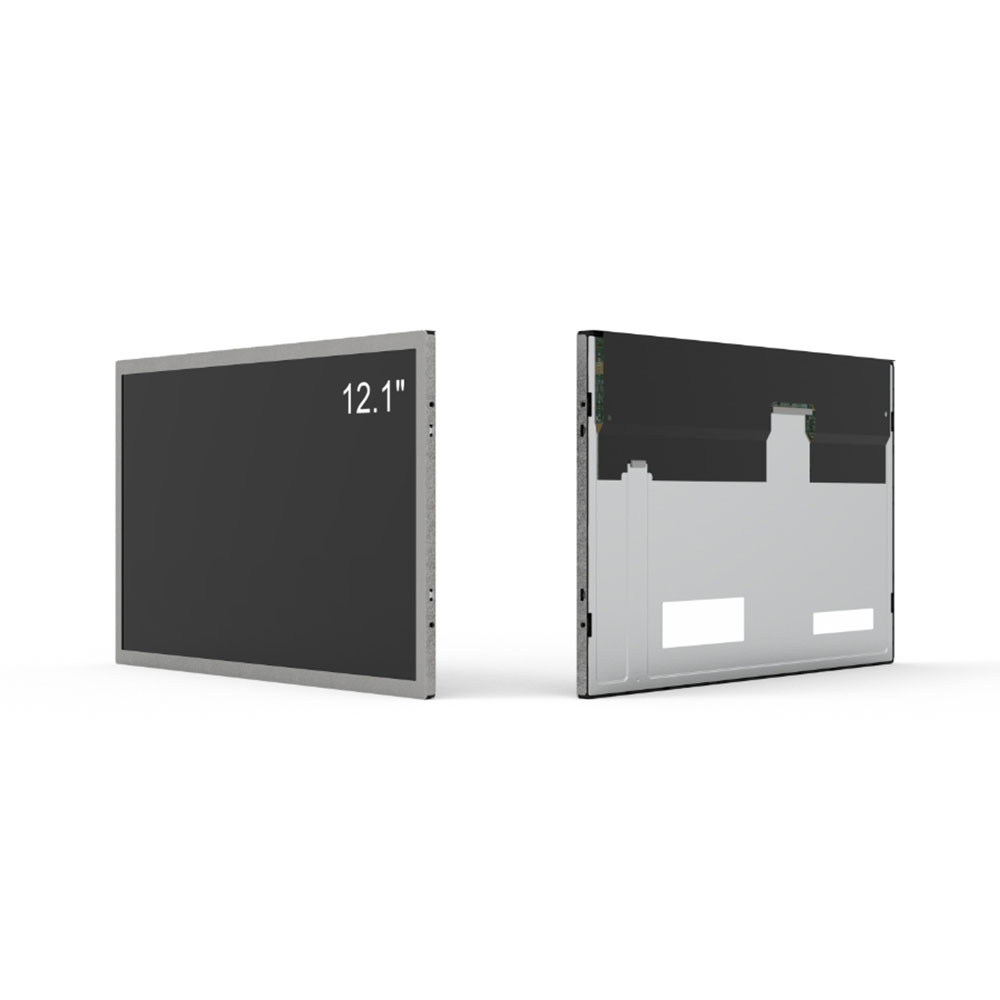
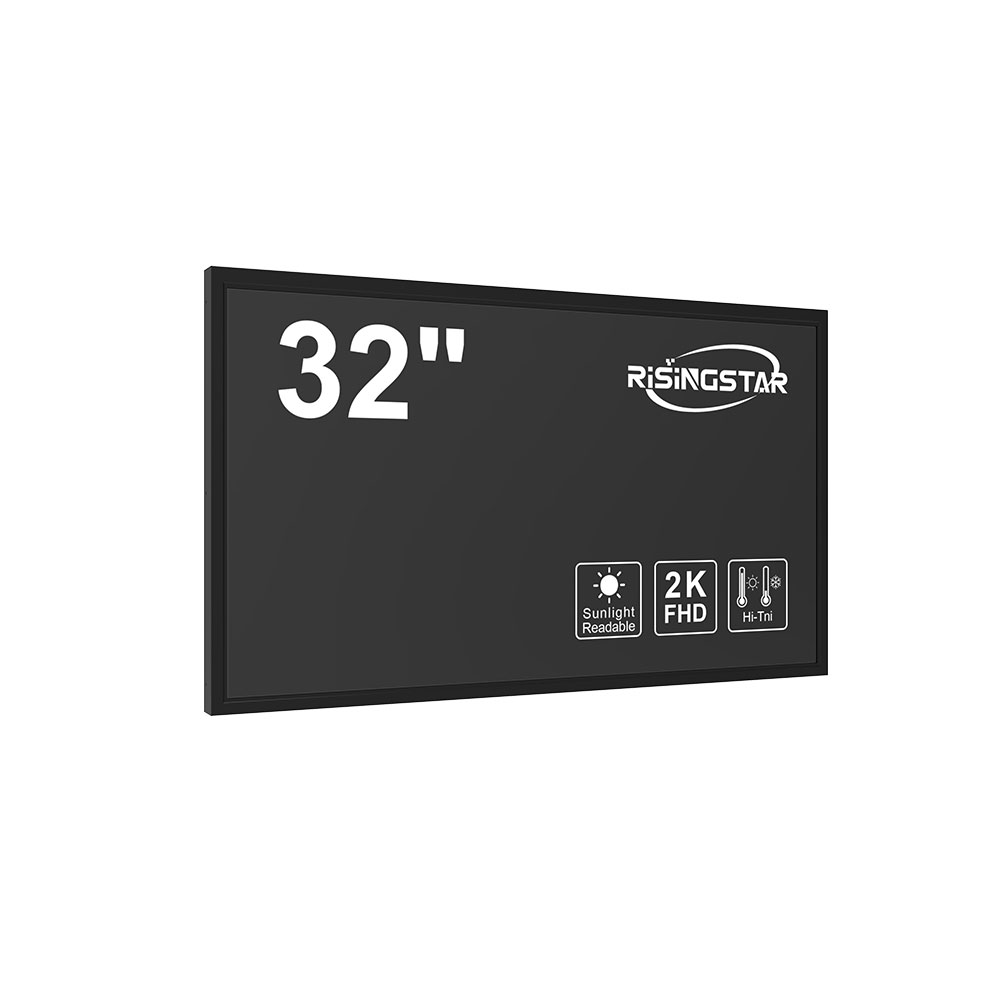
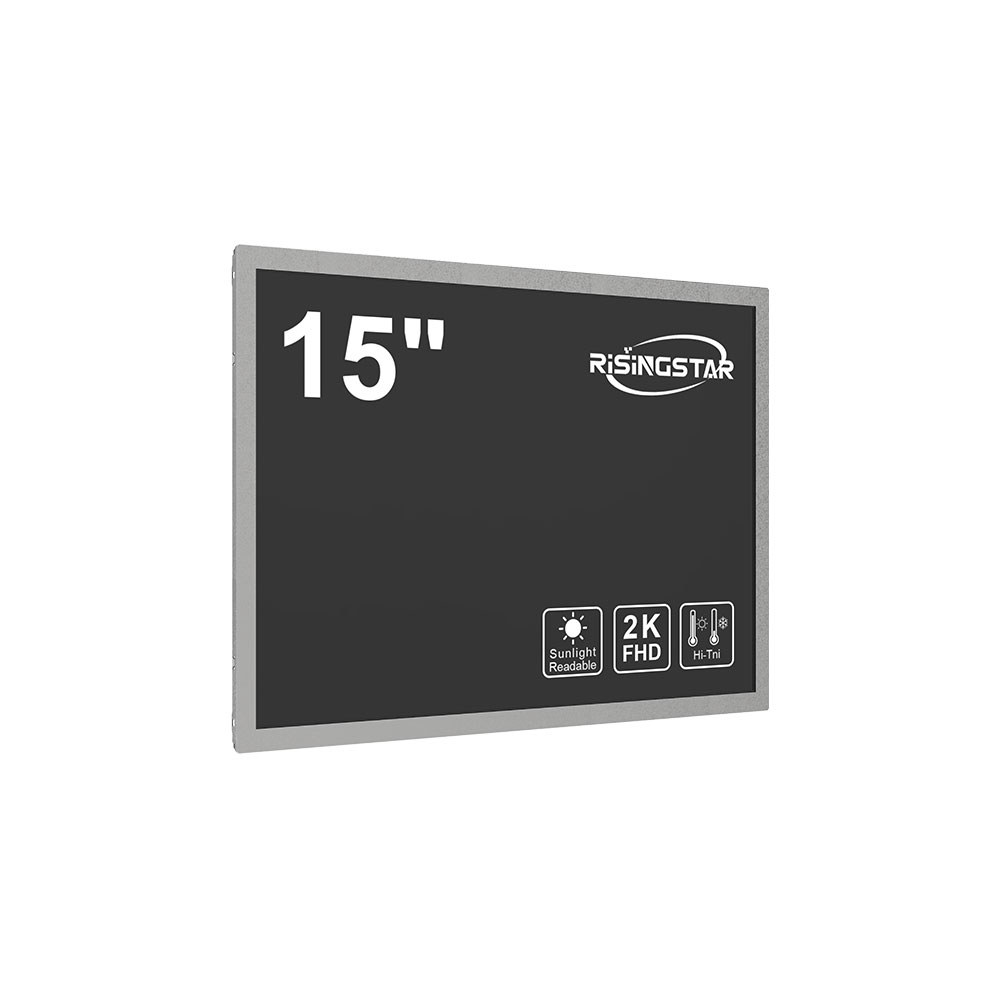
Selecting the appropriate LCD panel for industrial applications demands a deep understanding of both technical specifications and environmental conditions. Unlike consumer-grade displays, industrial LCDs must withstand extreme temperatures, vibrations, humidity, and prolonged usage without degradation in performance. For example, in manufacturing plants or outdoor equipment, panels often face operating temperatures from -30°C to +70°C—far beyond what typical consumer panels can endure. Therefore, choosing an industrial-grade LCD with a wide operating temperature range is critical.
Another key factor is brightness. Industrial environments frequently have high ambient light, such as in construction sites or vehicle dashboards. A panel with at least 1000 nits of brightness ensures visibility under direct sunlight. Additionally, anti-glare coatings and wide viewing angles (typically 85° or more) enhance usability across different positions.
Durability is equally important. Panels used in harsh conditions should be rated IP65 or higher for dust and water resistance. Some manufacturers also offer ruggedized variants with shockproof casings and MIL-STD-810G compliance, ensuring resilience against mechanical stress.
Backlight longevity is another often-overlooked consideration. LEDs in industrial LCDs should last over 50,000 hours to reduce maintenance frequency—a crucial factor for remote or hard-to-access installations like oil rigs or solar farms.
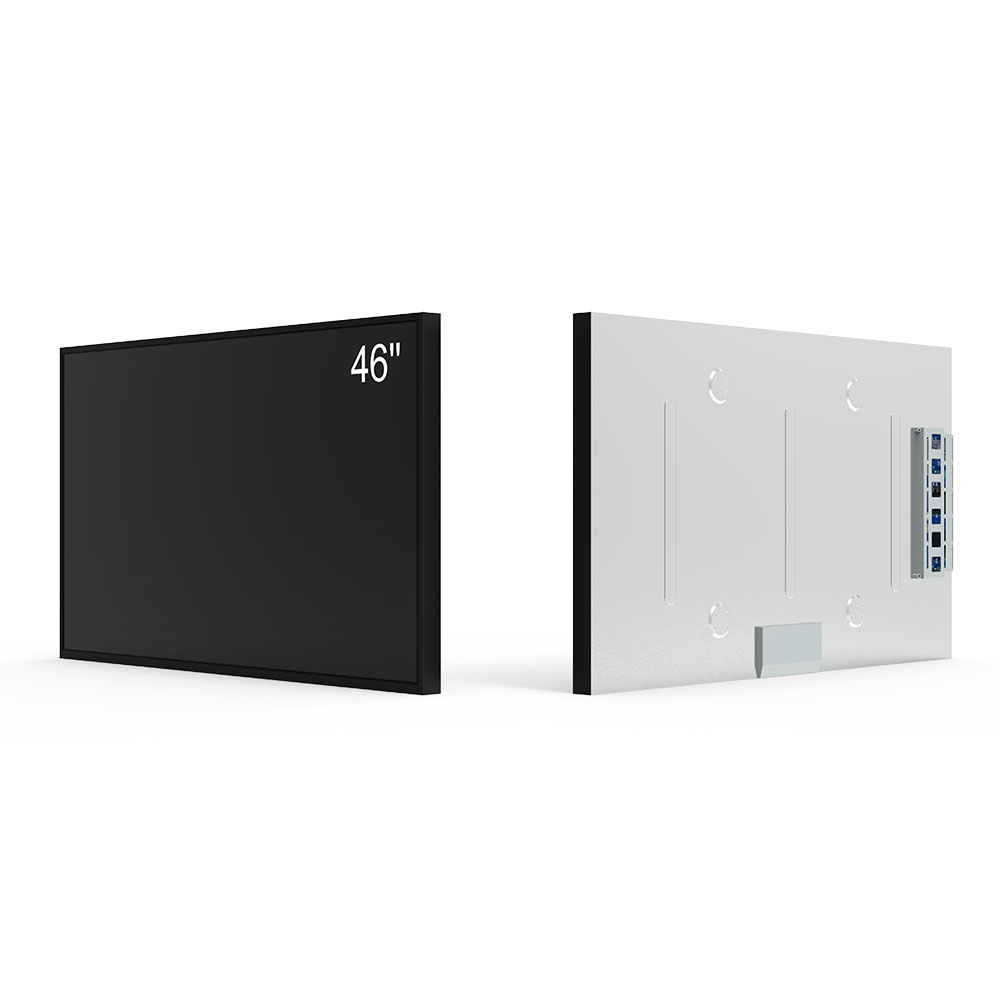
Finally, compatibility with industrial control systems matters. Look for panels with standard interfaces such as LVDS, eDP, or HDMI, and ensure they support features like brightness control via PWM or I2C communication protocols. Models like the LG LP156WF4-SPB1 or AU Optronics B156HAN01.0 are widely recommended for their reliability in demanding applications.

By prioritizing these criteria—temperature tolerance, brightness, durability, backlight life, and interface compatibility—engineers and procurement teams can select LCD panels that deliver long-term performance, minimize downtime, and reduce total cost of ownership in industrial settings.