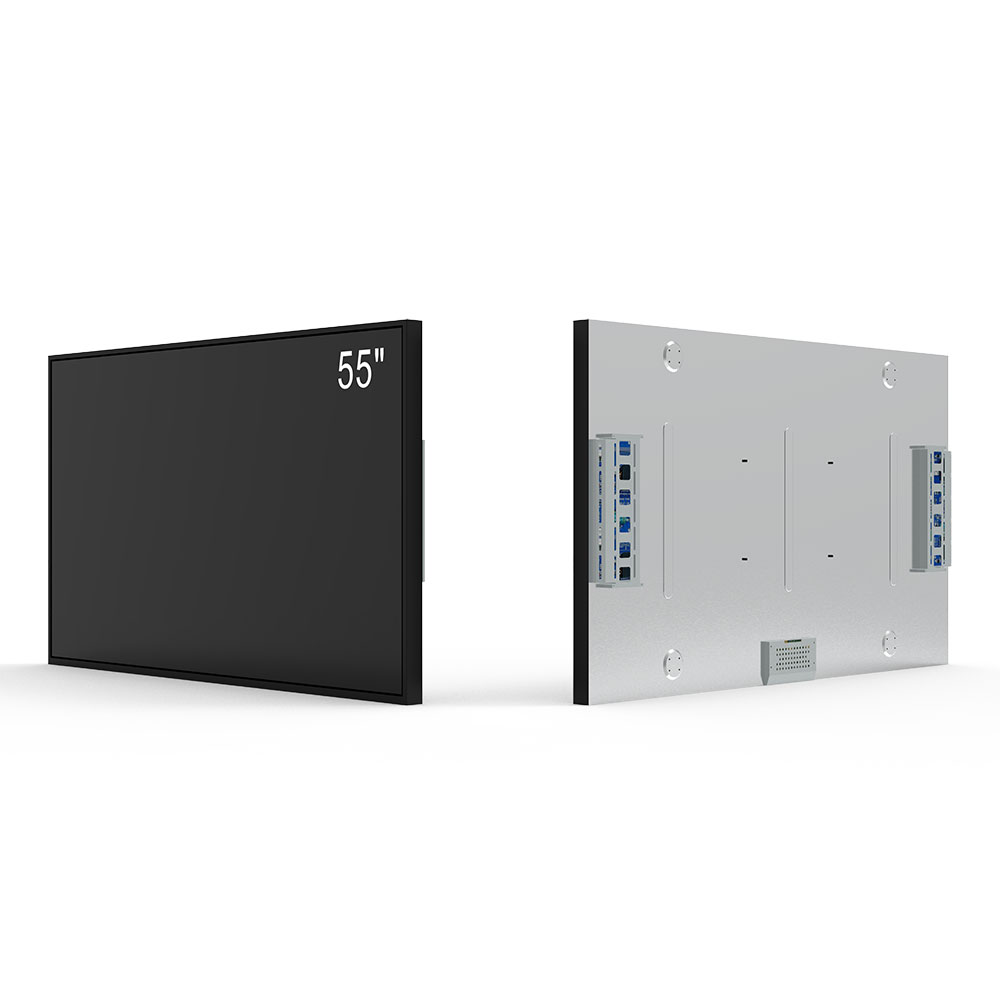
In 2024, Liquid Crystal Display (LCD) technology continues to evolve as a cornerstone of modern display solutions—driving innovation across consumer electronics, automotive interfaces, medical devices, and industrial automation. Despite the rise of OLED and micro-LED technologies, LCD remains dominant due to its cost-effectiveness, energy efficiency, and mature manufacturing ecosystem. Industry reports from IHS Markit and Statista confirm that over 75% of global display shipments still rely on LCD panels, underscoring its enduring relevance.
One key advancement is the integration of Mini LED backlighting into traditional LCD architectures. This hybrid approach enhances contrast ratios, improves brightness uniformity, and reduces power consumption—especially critical for premium smartphones, TVs, and professional monitors. For example, Samsung’s QLED TVs and Apple’s iPad Pro models now leverage this technology to deliver HDR performance rivaling OLED at a fraction of the cost. According to Display Supply Chain Consultants (DSCC), Mini LED LCDs are expected to account for 30% of all high-end displays by 2026.
Another breakthrough lies in the adoption of advanced color filters and quantum dot enhancements. These innovations improve color gamut accuracy, achieving over 95% DCI-P3 coverage in flagship models—a benchmark previously reserved for OLED displays. LG Display and BOE have pioneered such systems, enabling manufacturers to meet stringent requirements in digital signage, healthcare imaging, and aerospace instrumentation.
Moreover, environmental sustainability has become a priority in LCD development. Manufacturers like AU Optronics and Innolux are implementing closed-loop water recycling systems and reducing lead content in panel assembly. These efforts align with EU RoHS directives and ISO 14001 standards, reinforcing LCD's position as an eco-friendly alternative to emerging technologies.

From a user perspective, LCDs continue to offer superior viewing angles and longer lifespans compared to OLEDs, particularly under continuous high-brightness conditions. Consumer reviews on platforms like CNET and TechRadar consistently highlight reliability and value for money in LCD-based products—from budget laptops to enterprise-grade kiosks.

As global demand for energy-efficient, scalable, and durable displays grows, LCD technology is proving it’s not just surviving—it’s thriving. With ongoing R&D investments from major players and supportive regulatory frameworks, LCD will remain a vital part of the display landscape well beyond 2025.