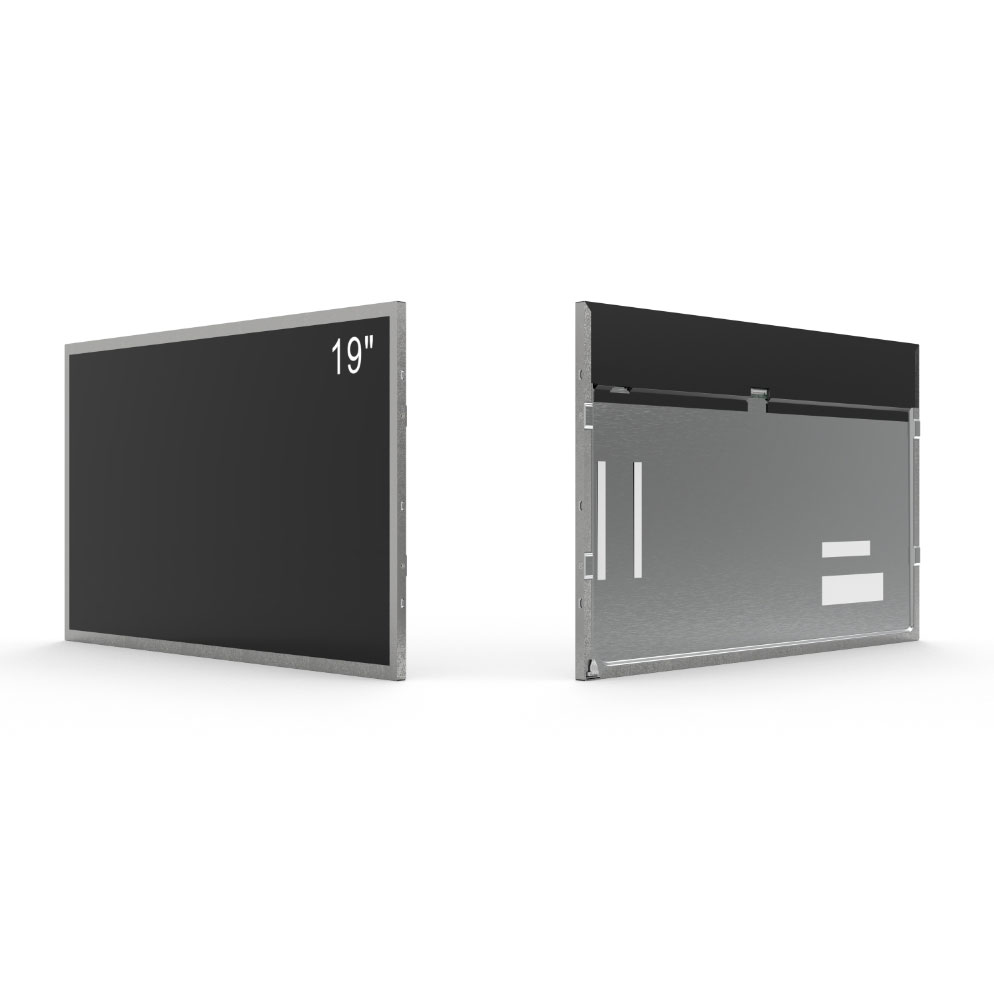
In industrial environments, selecting the appropriate LCD display is critical for ensuring operational efficiency, reliability, and long-term performance. Unlike consumer-grade displays, industrial LCDs must withstand extreme temperatures, vibration, humidity, and prolonged usage cycles. This article outlines a structured approach to choosing the right LCD for demanding applications such as manufacturing automation, medical devices, transportation systems, and outdoor kiosks.
The introduction sets the stage by emphasizing that not all LCDs are created equal. Industrial-grade displays differ significantly from those used in smartphones or desktop monitors. They often feature ruggedized enclosures, wide operating temperature ranges (typically -30°C to +70°C), enhanced brightness (1000 cd/m²+), and specialized interfaces like LVDS or RGB. Choosing the wrong display can lead to costly downtime, safety risks, and reduced system lifespan.
The main body of this guide focuses on four key selection criteria. First, environmental durability: look for displays with IP65 or higher ingress protection ratings and MIL-STD-810G certification for shock and vibration resistance. Second, brightness and visibility: high-luminance panels (e.g., 2000 cd/m²) are essential for outdoor or brightly lit indoor settings. Third, interface compatibility: ensure the LCD supports the required signal types—such as HDMI, DisplayPort, or embedded video controllers—and integrates smoothly with existing control systems. Fourth, serviceability: opt for modular designs with easy-to-replace components and long-term availability of parts, especially for mission-critical systems.
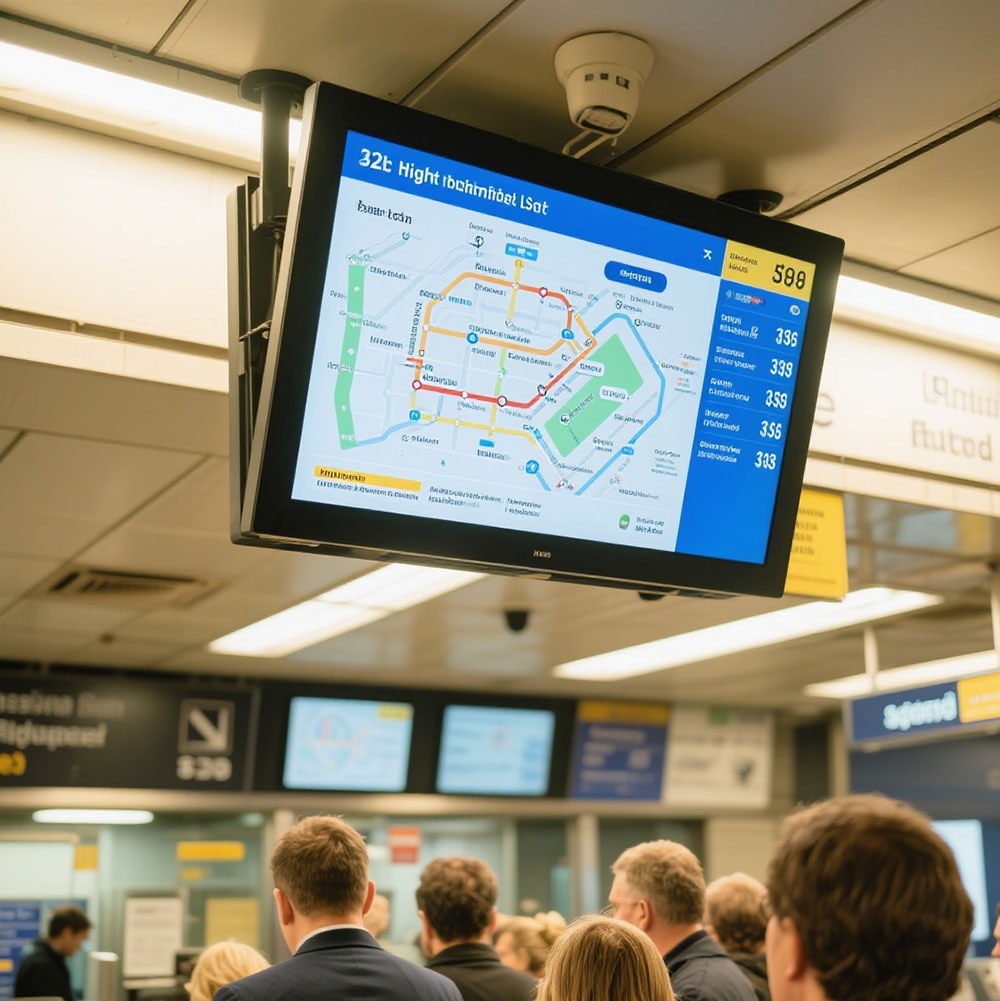
Real-world examples illustrate the impact of proper selection. A European automotive plant upgraded from standard TFT displays to industrial-grade IPS panels with extended temperature ranges, reducing screen failures by over 85% within one year. Similarly, a U.S. healthcare provider adopted medical-grade LCDs compliant with IEC 60601-1-2 electromagnetic compatibility standards, improving patient monitoring system reliability during high-frequency EM interference events.
Finally, the conclusion underscores that smart investment in industrial LCDs pays off through reduced maintenance costs, improved uptime, and safer operations. Engineers and procurement managers should prioritize specifications aligned with application requirements rather than cost alone. By following a structured evaluation framework—environmental resilience, visual clarity, technical integration, and lifecycle support—organizations can future-proof their industrial display solutions.