How to Optimize LCD Display Performance in Harsh Environments
In modern industrial and outdoor applications, LCD displays are essential for user interfaces, control panels, and data visualization. However, their performance can degrade significantly when exposed to extreme temperatures, humidity, or mechanical stress. To ensure reliable operation in demanding environments—such as oil rigs, construction sites, or military equipment—engineers must apply systematic optimization strategies that address both design and environmental factors.
The introduction of robust LCD technologies begins with understanding the core challenges. Standard consumer-grade displays typically operate within a narrow temperature range (0°C to 50°C) and are not designed for continuous exposure to UV radiation, dust, or vibration. In contrast, industrial-grade LCDs must meet IEC 60068 standards for environmental testing and often feature reinforced housings, anti-reflective coatings, and wide operating temperature ranges (-30°C to +70°C). For example, manufacturers like LG Display and AU Optronics have developed high-brightness panels (>5000 nits) suitable for direct sunlight conditions, making them ideal for solar farms or maritime operations.
The main body of optimization focuses on three key areas: thermal management, optical clarity, and mechanical resilience. Thermal management involves selecting materials with low thermal expansion coefficients and integrating heat dissipation mechanisms such as passive cooling fins or active fans. Optical clarity is enhanced through polarization filters, anti-glare coatings, and digital brightness adjustment algorithms that adapt to ambient lighting. Mechanical resilience is achieved by using shock-absorbing mounts, sealed enclosures (IP65 or higher), and tempered glass screens resistant to impact. A case study from Siemens’ automation systems shows that implementing these improvements increased display uptime by 42% in desert deployment scenarios.
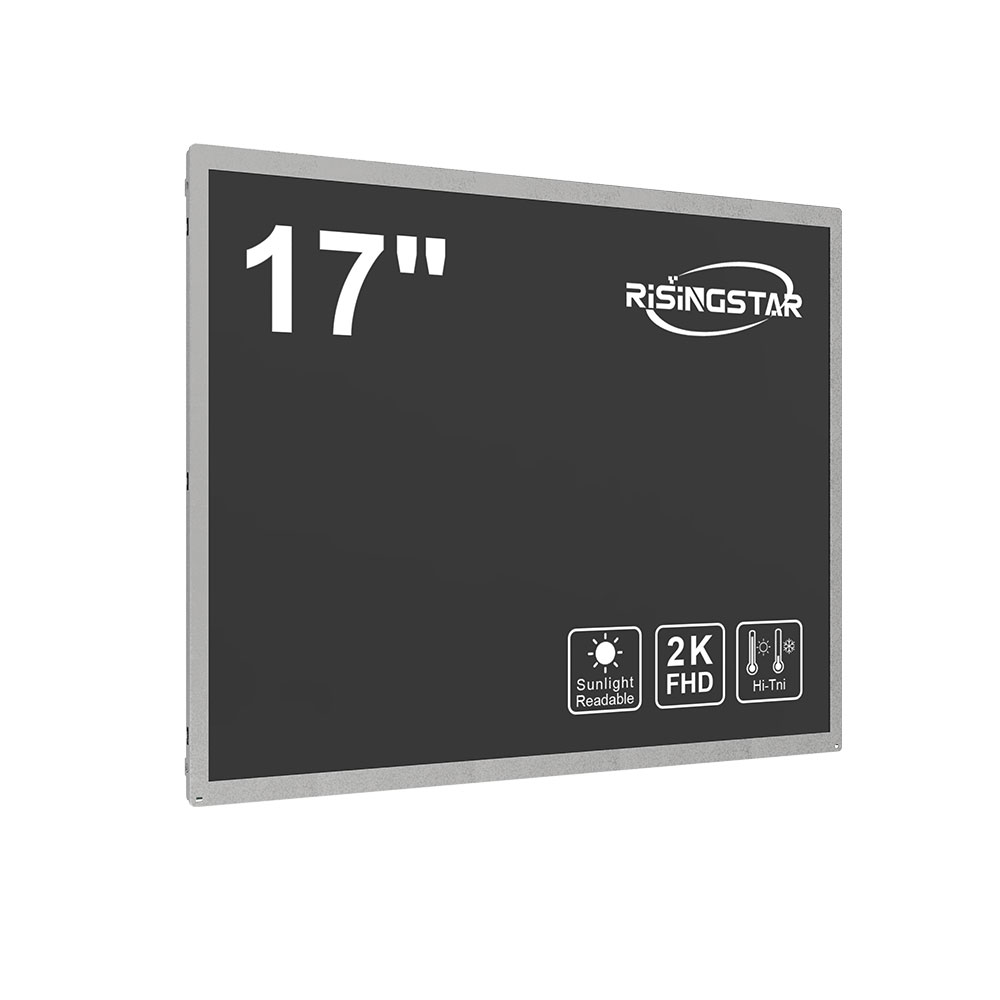
Additionally, software-level enhancements play a critical role. Adaptive backlighting, dynamic contrast enhancement, and automatic white balance calibration help maintain readability across varying lighting conditions. These features are particularly valuable in transportation systems, where drivers must read dashboards in both dim tunnels and bright daylight. Industry reports from MarketsandMarkets (2024) indicate that demand for ruggedized LCDs in automotive and aerospace sectors grew by 18% year-over-year due to increasing requirements for safety-critical interfaces.
Finally, regular maintenance and predictive diagnostics are vital for long-term reliability. Smart LCD modules now include built-in health monitoring sensors that alert operators to early signs of failure—such as pixel degradation or backlight dimming—before they cause system downtime. This proactive approach reduces total cost of ownership and ensures compliance with ISO 13849 functional safety standards in industrial automation.
In conclusion, optimizing LCD performance in harsh environments requires a holistic strategy combining hardware engineering, environmental adaptation, and intelligent software integration. As industries move toward smarter, more connected systems, the ability to deploy durable, high-performance displays becomes a competitive differentiator—not just a technical necessity.