
Understanding the Strip Screen Series: Sizes, Applications, and Industry Trends
Strip screens have become a cornerstone in modern display technology, offering versatile solutions for both commercial and industrial applications. These displays are defined by their unique aspect ratio—typically narrow and elongated—which makes them ideal for environments where space is limited or where continuous visual content must be shown across multiple units. The strip screen series includes a wide range of sizes, from compact 14.1-inch models to massive 86-inch units, each designed to meet specific needs in sectors such as retail, transportation, healthcare, and digital signage.
Among the most commonly used sizes are the 19-inch and 19.5-inch variants, which strike a balance between visibility and cost-effectiveness. These are often deployed in point-of-sale (POS) systems, kiosks, and control rooms. For larger installations like airport departure boards or train station information displays, the 28.6-inch, 37-inch, and even 58.4-inch models provide excellent readability from a distance while maintaining high resolution and brightness levels. The 86-inch ultra-wide strip screen is particularly popular in immersive environments such as command centers and interactive exhibits.
From a technical standpoint, these screens typically use LED-backlit LCD panels with resolutions ranging from HD (1280x720) to 4K UHD (3840x2160). Their slim bezels enable seamless tiling, allowing users to create custom video walls without visible gaps. According to recent market research by Statista (2024), the global strip screen market is projected to grow at a CAGR of 6.3% through 2030, driven by rising demand for digital signage and smart city infrastructure.
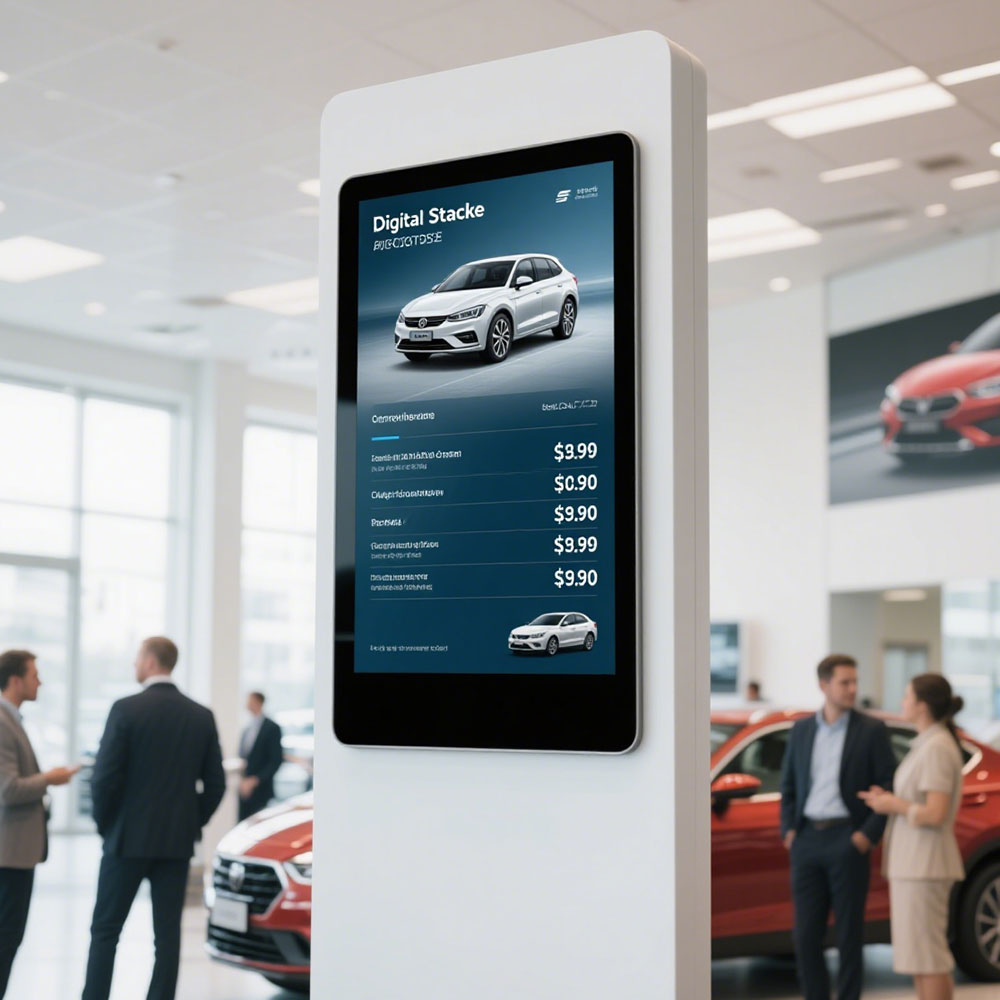
Manufacturers such as LG, Samsung, and Sharp offer certified strip screens compliant with international standards like ISO 9241-31 for visual ergonomics and MIL-STD-810G for environmental resilience. This ensures reliable performance in harsh conditions—from temperature fluctuations in outdoor advertising to dust resistance in manufacturing plants. Additionally, many models support advanced features like HDR, wide color gamut (DCI-P3), and touch functionality, making them suitable for interactive applications in education and retail.
In conclusion, the diversity in size—from 14.1" to 86"—and application flexibility positions the strip screen series as a critical component in today’s connected ecosystems. Whether it's a 23.1-inch unit in a hospital waiting room or a 49.5-inch tiling wall in a corporate lobby, these displays deliver clarity, durability, and scalability. As businesses increasingly prioritize real-time data visualization and user engagement, the future of strip screens looks not only bright but also highly customizable.
下一篇:没有了