
How LCD Technology Powers Modern Displays from Smartphones to Large-Scale Screens
LCD (Liquid Crystal Display) technology remains a dominant force in the display industry, offering a compelling blend of cost-effectiveness, energy efficiency, and visual clarity. From smartphones and laptops to digital signage and automotive dashboards, LCDs are everywhere—driven by their mature manufacturing processes and broad compatibility with existing electronics ecosystems.
One of the key advantages of LCDs is their power efficiency compared to older CRT displays. Modern LCD panels use LED backlighting, which significantly reduces power consumption while enhancing brightness and color accuracy. This makes them ideal for battery-powered devices like tablets and smartphones, where extended battery life is critical. In commercial settings such as retail stores or public transportation hubs, LCDs are preferred for large-format digital signage due to their durability, low maintenance costs, and ability to operate continuously for thousands of hours without degradation.
However, LCDs are not without challenges. One common issue is limited contrast ratio compared to OLED displays—especially in dark environments where black levels may appear grayish due to backlight bleed. Another concern is viewing angle limitations; colors and brightness can shift when viewed from extreme angles, which impacts user experience in multi-user setups like conference rooms or shared monitors. Additionally, response time—though improved in recent models—can still lag behind OLEDs in fast-motion content like gaming or sports video, causing motion blur in high-speed scenarios.
Despite these drawbacks, LCD technology continues to evolve. The latest trend is the adoption of Mini-LED and Micro-LED backlights, which offer superior local dimming, higher peak brightness, and better contrast than traditional edge-lit LED panels. For example, Apple’s iPad Pro and Samsung’s QLED TVs now leverage Mini-LED to bridge the gap between LCD and OLED performance. Moreover, advancements in IPS (In-Plane Switching) and VA (Vertical Alignment) panel technologies have improved viewing angles and color consistency, making LCDs more versatile across both consumer and professional applications.
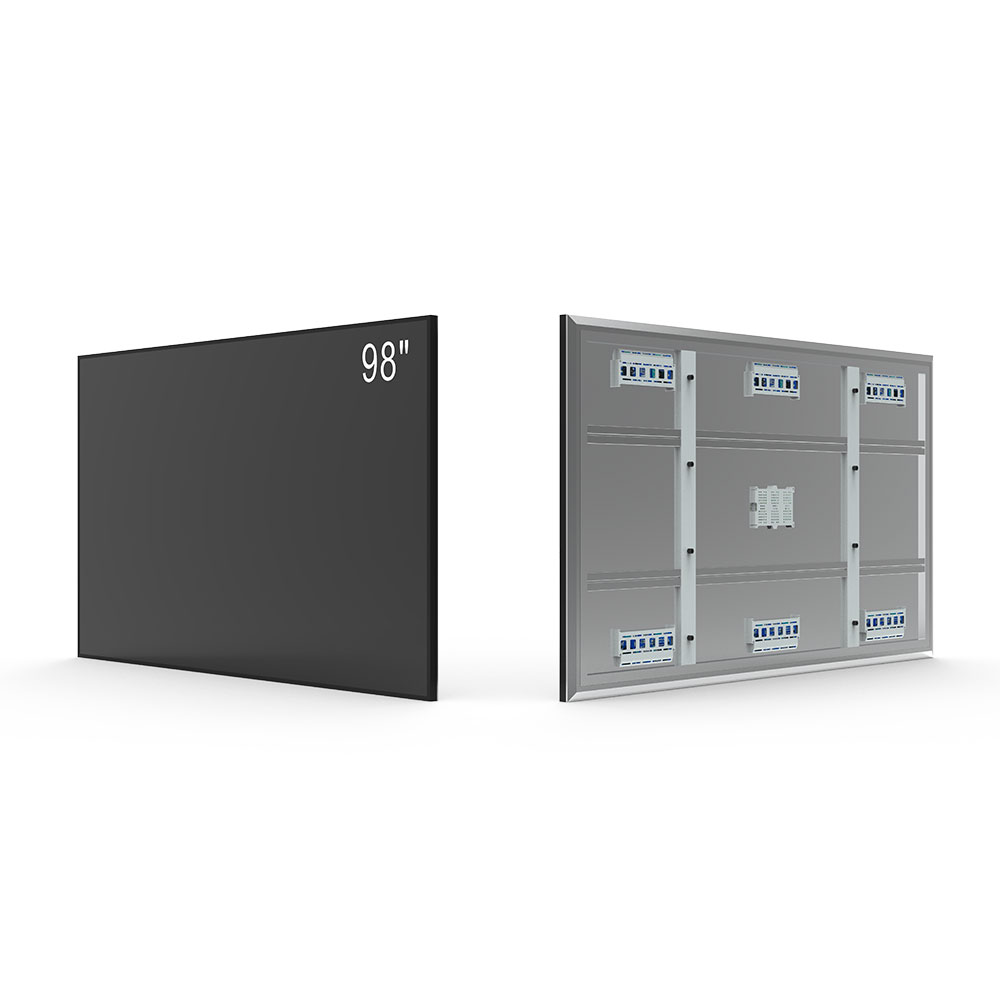
Industry reports from IHS Markit and Omdia show that over 70% of global display shipments in 2023 were LCD-based, underscoring its enduring relevance. With ongoing R&D focused on reducing manufacturing costs, improving eco-friendly materials, and integrating AI-driven display calibration, LCDs remain a future-proof solution for industries ranging from healthcare (where accurate color reproduction is vital) to education (where affordability and longevity matter most).