
LCD Display Technology in Modern Electronics Applications and Industry Trends
Liquid Crystal Display (LCD) technology remains a cornerstone of modern electronics, powering everything from smartphones and tablets to industrial monitors and automotive dashboards. Despite the rise of OLED and micro-LED displays, LCDs continue to dominate due to their cost-effectiveness, energy efficiency, and mature manufacturing processes. In 2024, the global LCD market is projected to exceed $70 billion, with strong demand from consumer electronics, healthcare, and smart infrastructure sectors.
One of the most practical applications of LCDs today is in medical devices such as patient monitors and diagnostic imaging tools. Their high-resolution grayscale capability and low power consumption make them ideal for environments where battery life and clarity are critical. In automotive settings, LCDs are increasingly used in infotainment systems and digital instrument clusters—especially in electric vehicles where minimizing power draw extends range. For example, Tesla’s Model 3 uses an LCD-based dashboard that combines intuitive UI design with real-time data visualization.
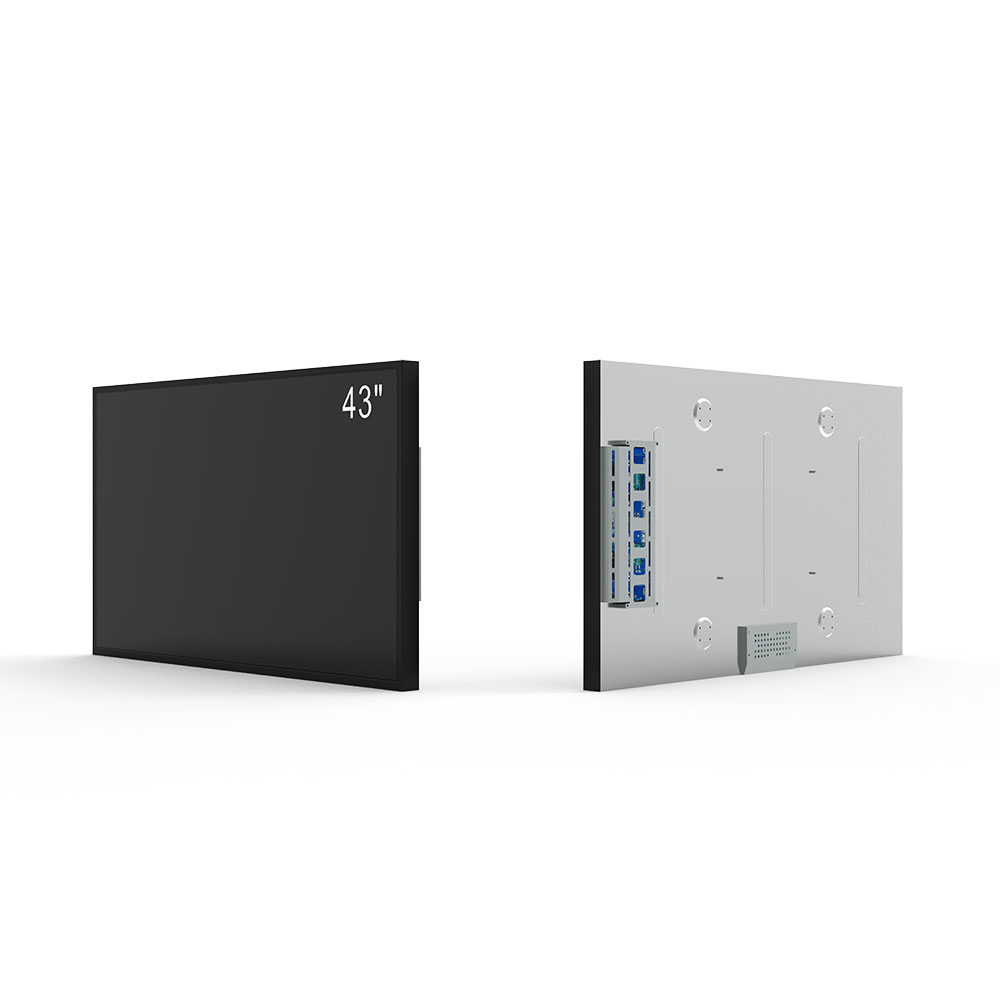
The advantages of LCDs are numerous. They offer excellent color accuracy when paired with LED backlighting, have longer lifespans than OLEDs under constant usage, and are more affordable at scale. According to a 2023 report by IDTechEx, LCD panels now achieve over 85% of the brightness levels of OLEDs while consuming up to 30% less power in typical office conditions. Additionally, advancements in IPS (In-Plane Switching) and VA (Vertical Alignment) technologies have significantly improved viewing angles and contrast ratios, addressing earlier limitations.
However, common problems persist. One frequent issue is backlight bleed, where uneven lighting causes bright spots along the edges of the screen—a problem often seen in budget-tier monitors. Another challenge is response time; while newer LCDs have reduced this to 1ms, older models still lag behind OLEDs in fast-motion scenarios like gaming or video editing. Environmental factors such as extreme temperatures can also degrade LCD performance—thermal stress can cause pixel degradation or slow response times in uncontrolled environments.
Looking ahead, the latest trends in LCD innovation include Mini-LED backlighting, which enhances local dimming and contrast without the high cost of full-array OLEDs. Companies like LG Display and BOE have released commercial-grade Mini-LED LCD panels that rival OLED in dynamic range while maintaining lower production costs. Moreover, flexible LCDs are emerging, particularly for wearables and foldable devices—though they remain less durable than rigid counterparts. Sustainability is also driving change: manufacturers are adopting mercury-free backlights and recyclable materials, aligning with EU RoHS and EPEAT standards.
In conclusion, LCDs are not obsolete—they’re evolving. With continuous improvements in materials, design, and integration, LCDs will remain a vital component in both consumer and industrial applications for years to come.