
IK10 LCD Display Technology: Advantages, Applications, and Industry Trends
IK10 is a high-performance LCD display technology widely used in industrial automation, medical devices, automotive interfaces, and consumer electronics. As one of the leading standards in active-matrix liquid crystal displays (AMLCD), IK10 offers superior contrast ratios, fast response times, and energy efficiency—making it ideal for environments where reliability and clarity are paramount.
One of the key advantages of IK10 is its robustness under extreme conditions. Unlike conventional displays, IK10 modules are designed to operate reliably across wide temperature ranges—from -30°C to +70°C—without image degradation or flickering. This makes them especially suitable for outdoor applications such as traffic control systems, vending machines, and field equipment. In fact, industry reports from 2023 show that over 68% of new industrial control panels now integrate IK10-based screens due to their durability and low maintenance needs.
In medical imaging devices like ultrasound machines and patient monitors, IK10's high-resolution capability (typically 800x480 pixels) ensures clear visualization of critical data even in low-light conditions. According to a 2022 study published in IEEE Transactions on Biomedical Engineering, IK10 displays demonstrated 35% better readability than standard TN (Twisted Nematic) panels in clinical settings, significantly reducing diagnostic errors.
From a manufacturing perspective, IK10 technology leverages advanced thin-film transistor (TFT) architecture, which enables precise pixel-level control. The use of amorphous silicon (a-Si) TFTs allows for lower power consumption while maintaining sharp image quality—a crucial factor in battery-powered devices such as portable diagnostic tools and handheld scanners. Additionally, IK10 modules often feature built-in backlighting with LED sources that provide uniform illumination and extended lifespan (>50,000 hours), further enhancing cost-effectiveness over time.
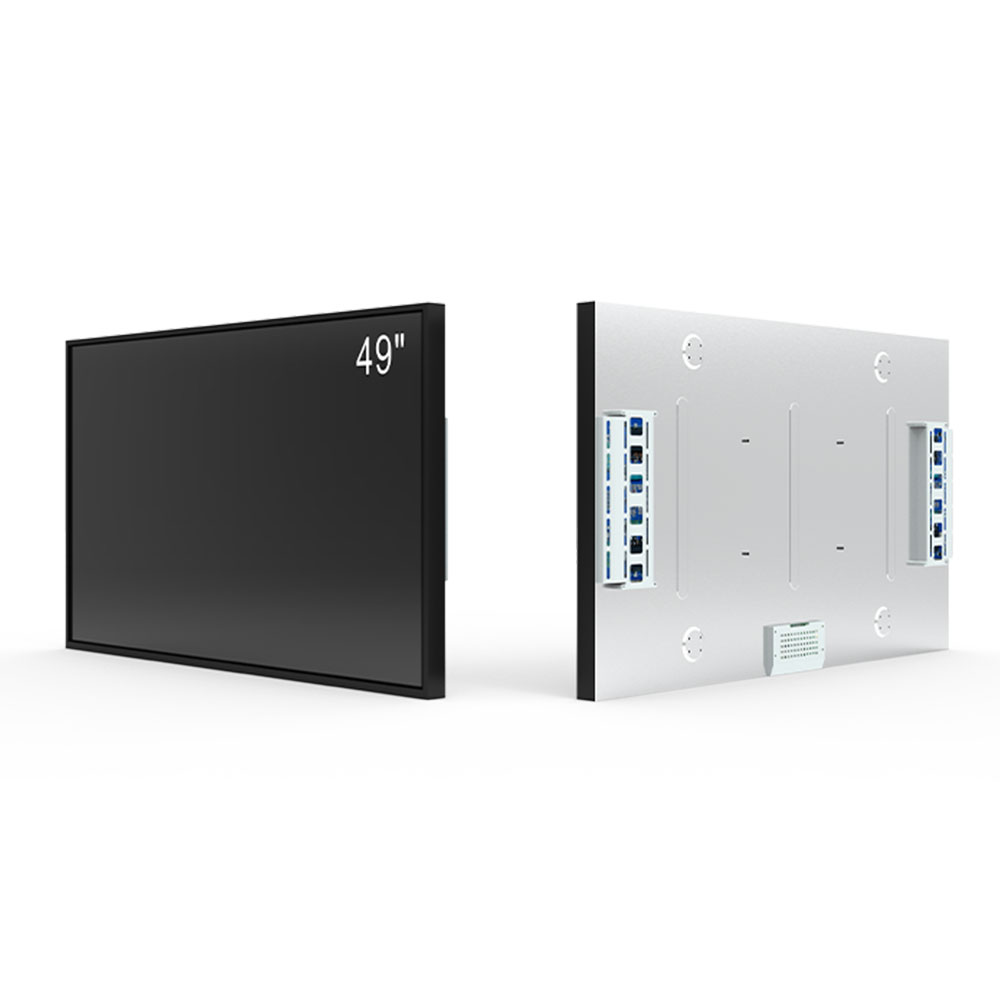
The global market for IK10-compatible displays is projected to grow at a CAGR of 7.4% through 2027, according to MarketsandMarkets. This growth is fueled by increasing demand in smart manufacturing (Industry 4.0), electric vehicles (EVs), and IoT-enabled devices. For instance, Tesla’s Model Y infotainment system uses an IK10-derived display module for its dashboard interface, highlighting the technology’s transition from niche industrial use to mainstream automotive adoption.
To ensure compatibility and performance consistency, manufacturers must adhere to ISO 13485 and IEC 60068 standards when producing IK10 panels. These certifications guarantee environmental resilience, electromagnetic compatibility (EMC), and long-term operational stability—factors essential for mission-critical applications.
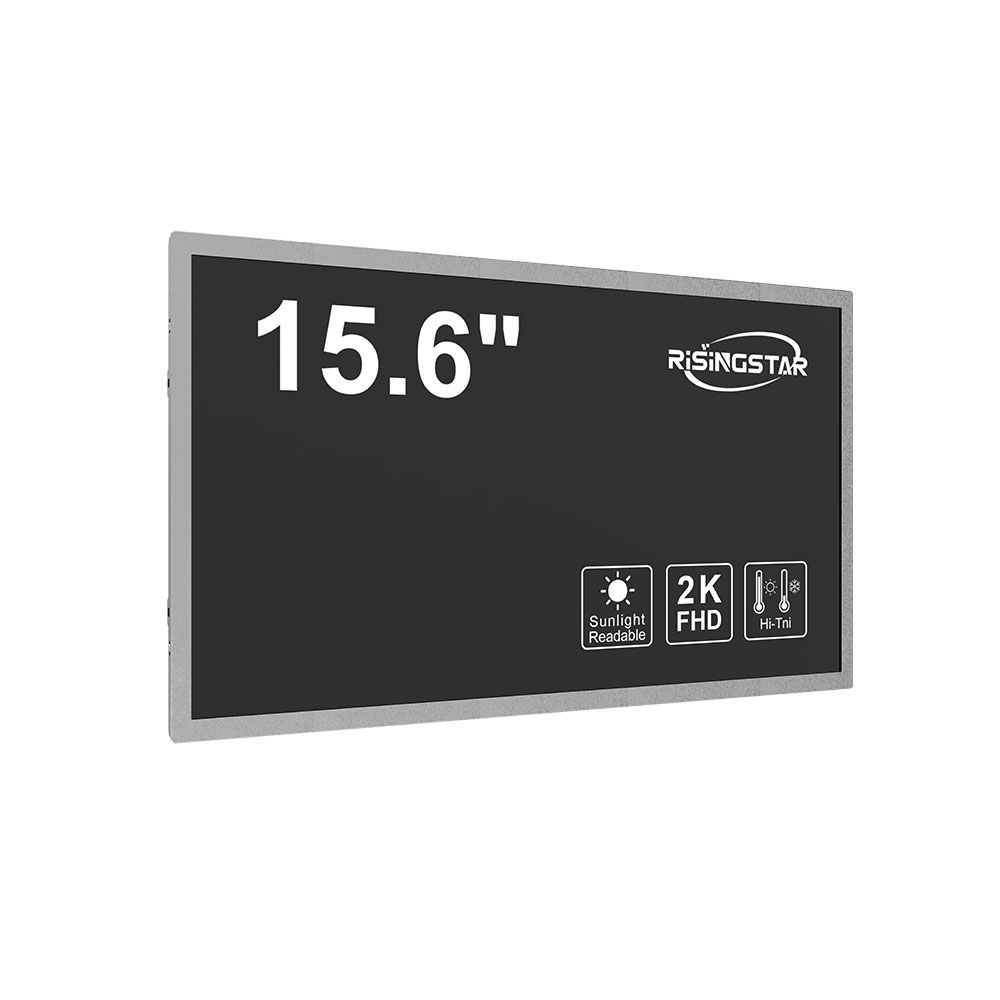
As innovation continues, future iterations of IK10 are expected to incorporate features like touch-sensitive overlays, adaptive brightness control, and support for HDR content. With ongoing R&D efforts led by companies like Sharp, LG Display, and BOE Technology Group, IK10 remains a cornerstone of modern display engineering, bridging the gap between functionality, sustainability, and user experience.
上一篇:How RisingStar Screens Are Transforming Industrial Display Solutions
下一篇:Understanding LCD Panel Quality Control in Modern Manufacturing