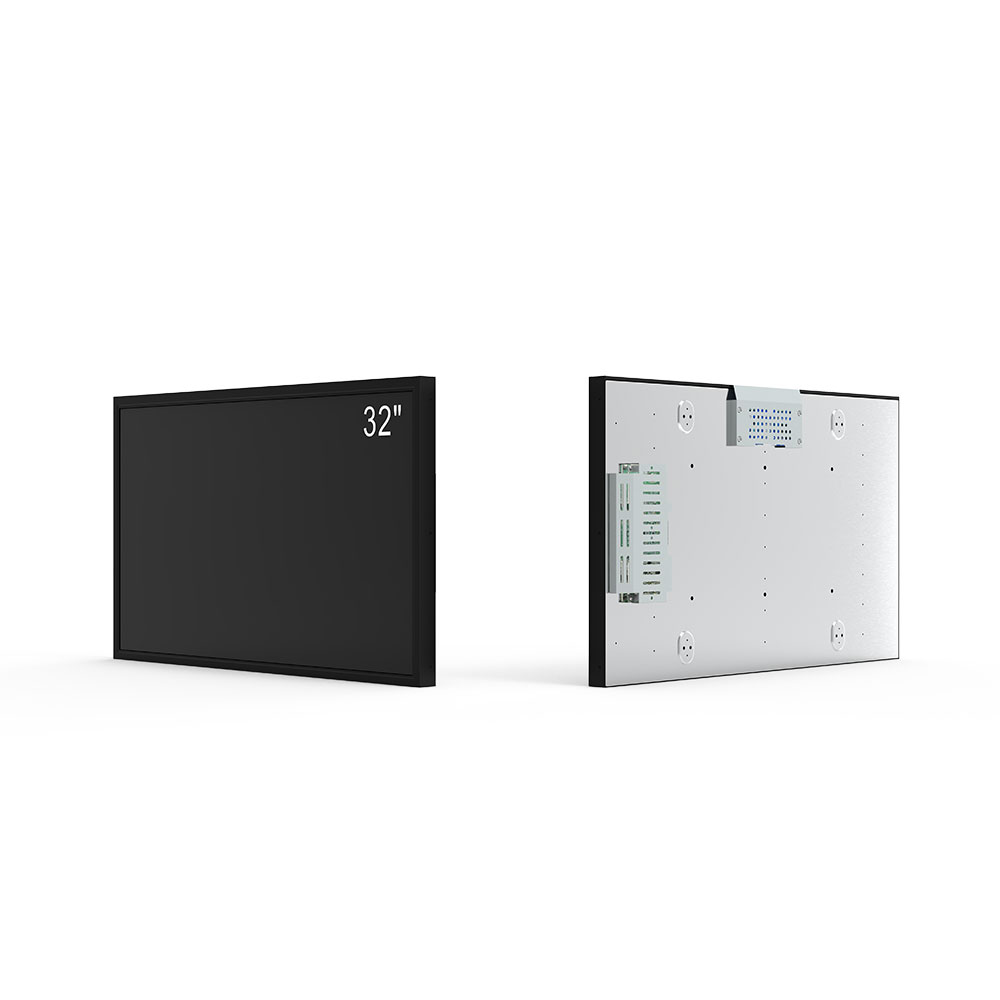
LCD TN Panel Technology Explained for Display Professionals
LCD TN (Twisted Nematic) panels represent one of the earliest and most widely adopted technologies in liquid crystal display manufacturing. First introduced in the 1970s, TN technology remains a cornerstone in the production of affordable, high-speed displays used across consumer electronics, industrial monitors, and even automotive applications. The core principle of TN panels lies in the alignment of liquid crystal molecules between two glass substrates—when no voltage is applied, these molecules are twisted at approximately 90 degrees, allowing light to pass through. When voltage is applied, the molecules realign parallel to the electric field, blocking light transmission and creating dark pixels.
One of the defining advantages of TN panels is their fast response time—typically under 2 milliseconds—which makes them ideal for gaming monitors, digital signage, and dynamic video playback. This speed comes from the relatively simple molecular structure and low driving voltage requirements compared to IPS or VA panels. However, this benefit is balanced by trade-offs in viewing angles and color accuracy. TN panels typically offer narrow viewing angles, with noticeable color shifts when viewed off-axis, limiting their use in professional design or collaborative environments where consistent image quality from multiple angles is essential.
In recent years, advancements such as Advanced Super-Twisted Nematic (ASTN) and Multi-domain TN (M-DTN) have improved performance metrics. These variants reduce color distortion and expand horizontal viewing angles to around 140–160 degrees, though they still fall short of IPS panel standards. For budget-conscious buyers, TN panels remain an excellent choice due to lower manufacturing costs, higher refresh rates (up to 360Hz in some gaming monitors), and minimal input lag—factors critical for competitive gaming and real-time applications.
Industry data from Display Supply Chain Consultants (DSCC) shows that TN panels still account for over 40% of global LCD production volume, especially in markets like China, India, and Southeast Asia, where cost-effectiveness drives demand. Consumer reviews on platforms like Amazon and Reddit consistently highlight TN’s reliability for gaming and office use, while acknowledging limitations in color-critical tasks such as photo editing or video grading.
Environmental testing conducted by UL and ISO 14001-certified facilities confirms that TN panels exhibit stable performance under varying temperature and humidity conditions, making them suitable for embedded systems and harsh industrial environments. In summary, while newer panel types like IPS and OLED dominate premium segments, TN technology continues to thrive as a reliable, efficient solution for applications prioritizing speed and affordability.