
Strip Screen Series Display Sizes and Applications in Modern LCD Technology
In the rapidly evolving landscape of display technology, strip screen series have become essential components across a wide range of industries—from industrial automation and medical imaging to digital signage and consumer electronics. These displays, defined by their unique aspect ratios and precise screen sizes ranging from 14.1 inches to 86 inches, are engineered for high clarity, durability, and seamless integration into specialized systems.
The strip screen series includes commonly used formats such as 19", 21.2", 28.6", and 48.5", each tailored to specific applications. For example, the 19" and 21.2" models are frequently found in compact control panels and kiosks due to their balance of portability and visibility. In contrast, larger screens like 48.5" and 58.6" dominate public information displays, retail environments, and transportation hubs where high-resolution visuals are critical for user engagement.
Manufacturers such as LG Display, BOE, and Innolux design these panels using advanced technologies like IPS (In-Plane Switching) and VA (Vertical Alignment), ensuring wide viewing angles and consistent color reproduction—key requirements for professional use. Environmental testing confirms that many of these strips meet IP65 or higher ratings, making them suitable for harsh conditions in manufacturing plants or outdoor installations.
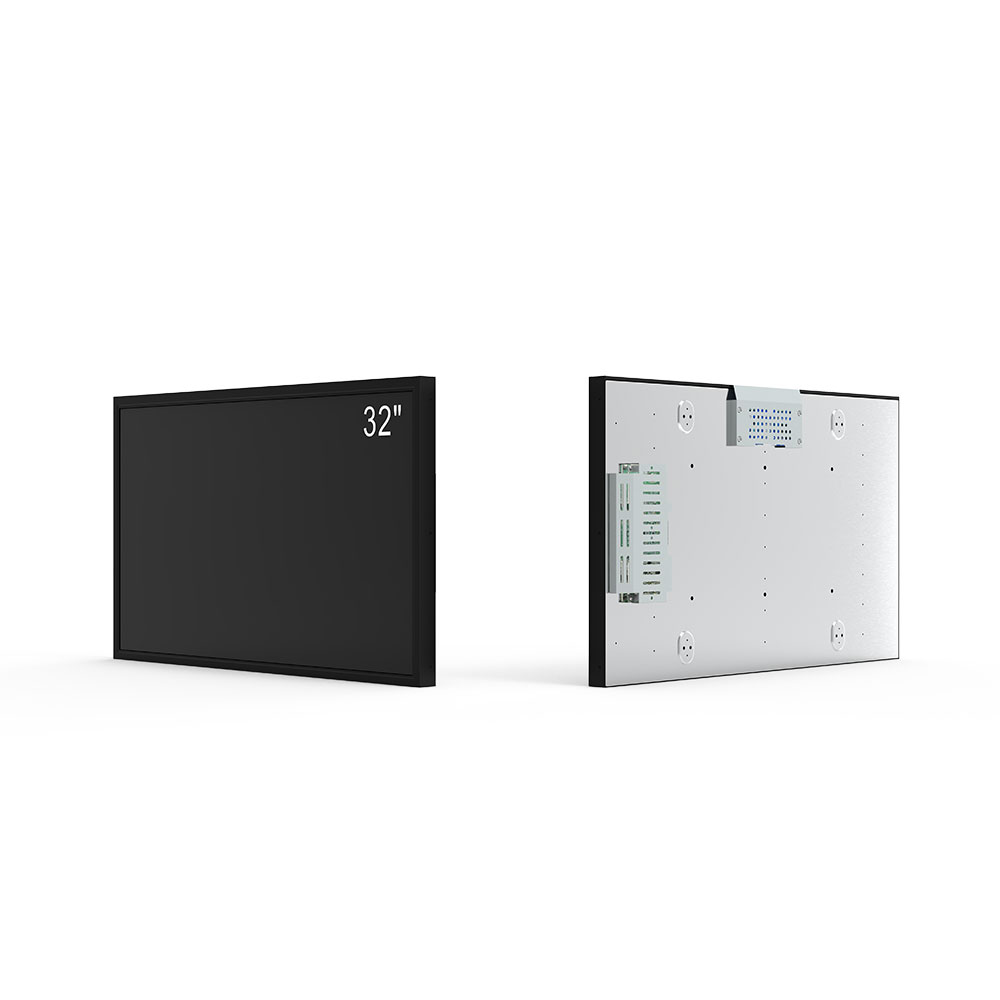
Notably, the 86" ultra-large format is gaining traction in command centers and interactive meeting rooms, leveraging its massive surface area for multi-user collaboration. Meanwhile, smaller variants like the 14.1" and 19.5" are ideal for portable devices, including handheld diagnostics tools and embedded systems.
Industry standards such as VESA mount compatibility ensure easy installation and interchangeability across different platforms. As demand grows for modular and scalable display solutions, manufacturers continue to innovate with thinner bezels, improved power efficiency, and enhanced touch responsiveness—making strip screen series not just functional but also aesthetically integrated into modern design workflows.
These screens are widely supported by leading operating systems and embedded software platforms like Linux-based RTOS, Android Embedded, and Windows IoT, allowing developers to deploy customized interfaces without hardware constraints. With increasing adoption in smart cities, healthcare, and automotive sectors, the strip screen series represents a cornerstone of next-generation visual interaction.
上一篇:High-Brightness LCD Displays for Harsh Environments – 5000 Nits with IP68 Waterproofing
下一篇:LCD TN Panel Technology Explained for Display Professionals