
How to Choose the Right LCD Display for Industrial Applications
Selecting the appropriate LCD display for industrial applications is critical to ensuring operational efficiency, reliability, and long-term cost-effectiveness. Unlike consumer-grade displays, industrial LCDs must endure harsh environments—including extreme temperatures, high humidity, mechanical vibration, and exposure to dust or chemicals—while maintaining consistent performance. This article outlines key factors to consider when choosing an industrial-grade LCD display, including brightness, viewing angles, ruggedness, environmental resistance, and compatibility with existing systems.
The introduction begins by highlighting that industrial applications span sectors such as manufacturing, transportation, medical devices, and energy infrastructure—all of which rely heavily on real-time data visualization. A poorly chosen display can lead to misinterpretation of critical information, system downtime, or even safety hazards. Therefore, engineers and procurement teams must prioritize technical specifications over aesthetics.
In the main body, several essential criteria are discussed. First, brightness must meet or exceed 1000 nits to ensure visibility under direct sunlight or in brightly lit control rooms. Second, viewing angles should be wide (typically 85°/85°/85°/85° or better) to accommodate multiple users from different positions—an essential feature in collaborative environments like factory floors or command centers. Third, ruggedization is crucial; look for displays with anti-glare coatings, hardened glass, and shock-resistant casings rated to IP65 or higher for dust and water resistance. Fourth, temperature tolerance matters—industrial LCDs should operate reliably from -20°C to +70°C without performance degradation. Finally, connectivity options such as LVDS, HDMI, or RS-232 must align with existing hardware to avoid costly integration delays.
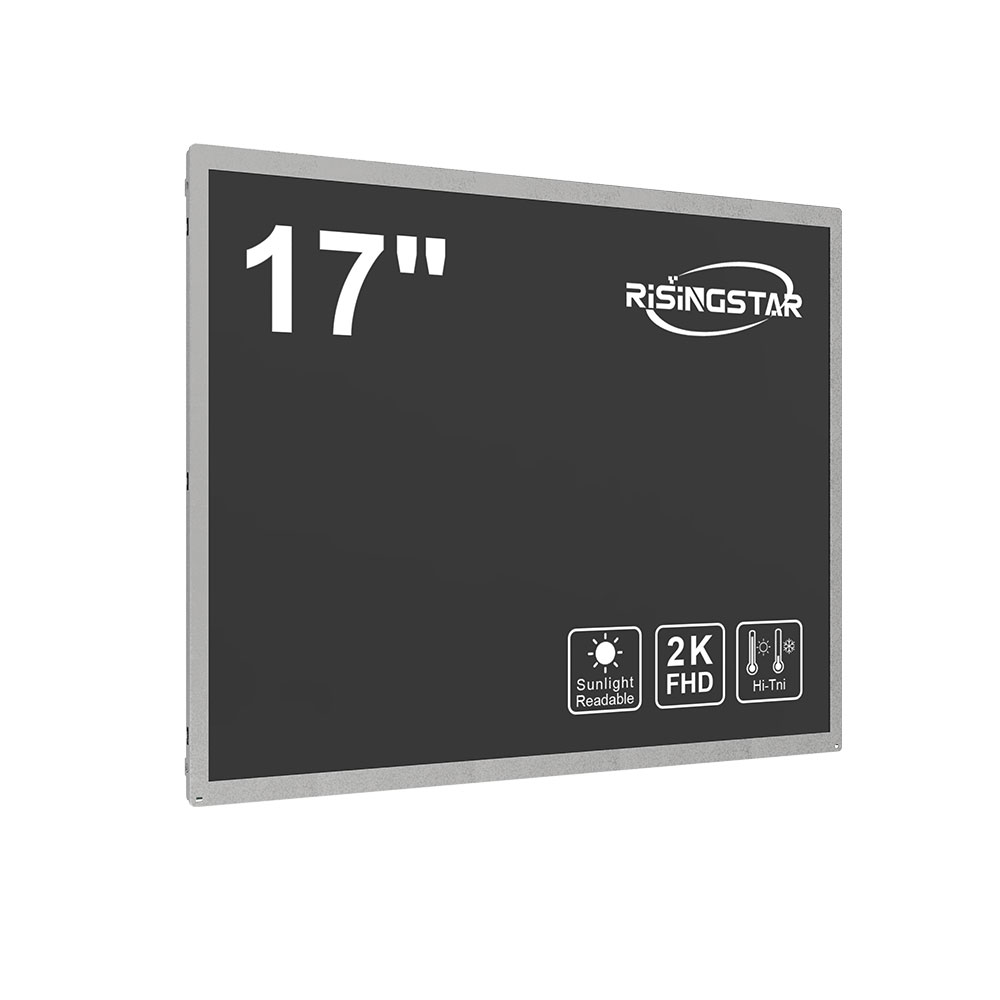
Case studies from major manufacturers like LG Innotek and AU Optronics show that selecting certified industrial displays reduces maintenance costs by up to 40% over a five-year period. Additionally, standards like IEC 60068-2-1 (low temperature testing) and MIL-STD-810G (vibration and shock resistance) provide benchmarks for evaluating quality.
The conclusion emphasizes that while initial costs may be higher, investing in a properly engineered industrial LCD pays dividends through reduced downtime, enhanced operator safety, and compliance with regulatory standards. By prioritizing robustness, clarity, and compatibility, businesses can future-proof their operations and ensure seamless data communication across all levels of production.