
China Digital Outdoor Signage Market Growth and Technological Advancements
China's digital outdoor signage industry has experienced rapid expansion over the past decade, driven by urbanization, government smart city initiatives, and the increasing demand for dynamic advertising solutions. According to a 2023 report by MarketsandMarkets, the China digital signage market is projected to grow at a CAGR of 12.5% from 2023 to 2028, reaching a valuation of over $12 billion USD. This growth is fueled by advancements in LED display technology, IoT integration, and AI-driven content management systems.
One of the key drivers behind this surge is the widespread adoption of digital billboards in major cities like Beijing, Shanghai, and Shenzhen. These cities have implemented large-scale digital signage networks to enhance public information dissemination, improve transportation efficiency, and support real-time marketing campaigns. For instance, the Shanghai Metro now features over 500 digital screens displaying live train schedules, weather updates, and targeted advertisements tailored to commuter demographics using facial recognition analytics.
In addition to commercial applications, digital outdoor signage plays a critical role in public safety and emergency communication. During natural disasters or public health crises—such as the recent pandemic—Chinese authorities have leveraged digital displays in high-traffic areas to broadcast real-time alerts, health guidelines, and vaccination center locations. This demonstrates how digital signage has evolved from a marketing tool into an essential infrastructure component in modern urban environments.
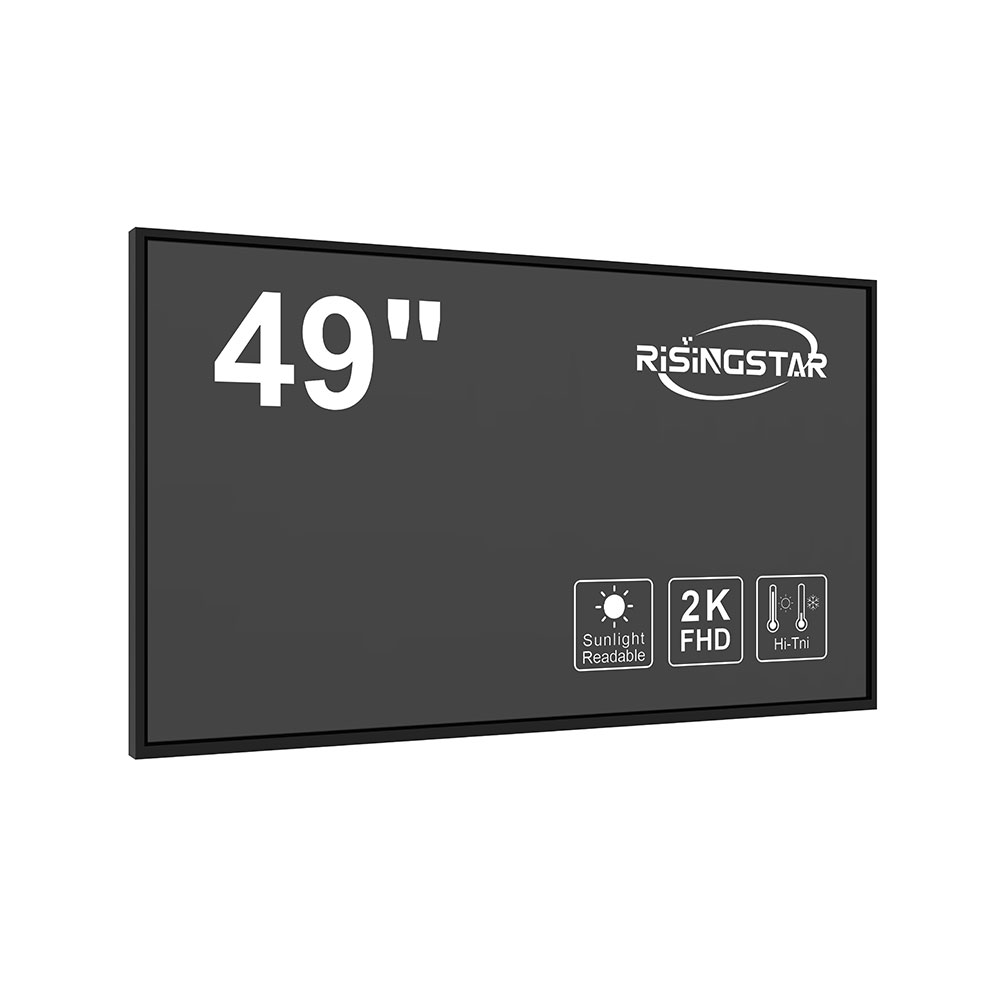
Manufacturers such as BOE Technology Group, TCL Electronics, and Guangzhou Sichuan Electronics are leading innovation in China’s digital signage sector. They offer high-brightness, ultra-high-resolution (4K and 8K) LED panels with IP65+ ratings for durability in extreme weather conditions. These panels often integrate cloud-based CMS platforms that allow advertisers to remotely update content across thousands of displays simultaneously—a feature crucial for nationwide retail chains and municipal agencies alike.
The environmental impact of these systems is also being addressed through energy-efficient designs. Many new installations use low-power LEDs combined with solar power integration, particularly in rural or off-grid locations. For example, in Yunnan Province, digital signs powered by solar panels now serve as both tourism information kiosks and environmental monitoring stations, reducing reliance on traditional grid electricity.
From a regulatory standpoint, China’s Ministry of Industry and Information Technology (MIIT) has introduced standardized protocols for data privacy and content compliance, ensuring responsible use of facial recognition and location-based targeting. These frameworks align with international best practices while allowing local businesses to innovate within secure boundaries.
For global brands seeking to enter the Chinese market, understanding the nuances of regional preferences, language localization, and cultural context is vital when deploying digital outdoor signage. Successful campaigns often blend English with Mandarin, incorporate traditional motifs, and respond to seasonal trends such as Lunar New Year or Singles’ Day shopping festivals.
In conclusion, China’s digital outdoor signage ecosystem is not just growing—it is redefining what’s possible in public-facing digital communication. With continuous investment in R&D, supportive policy frameworks, and strong industrial partnerships, China is setting the global benchmark for scalable, intelligent, and sustainable digital display solutions.